What does “toy sealed” mean?
What it means
"Toy sealed" means the toy is in its original, factory-sealed packaging. This is the industry standard for Mint-in-Box (MIB). The item has never been removed from its primary packaging. This condition guarantees the item has not been played with, modified, or exposed to significant environmental factors like moisture or extreme temperature fluctuations. For collectors, this state represents the item's intended, pristine retail condition. The packaging itself is part of the collectible asset.
What it does to price
Sealed items command a significant price premium over loose or used versions. The multiplier depends heavily on the item's rarity, but generally, a sealed copy can fetch 1.5x to 4x the price of a comparable loose item. Factors pushing the price up include high-demand characters, limited edition runs, and pristine packaging integrity (e.g., no corner dings). Factors pulling the price down include visible shelf wear on the box or minor seal imperfections. For example, a common action figure, loose, might sell for \$10; the same figure sealed in perfect packaging could easily sell for \$25 to \$35.
How to spot it
Verification requires close inspection of the packaging seals. Look for factory-applied seals, tape, or shrink wrap that shows no signs of amateur tampering, such as sloppy resealing or adhesive residue. Check the box art for edition numbers or production codes that match known release data. Sellers must provide high-resolution photos of all sides of the packaging, including the back and bottom, to verify the seal integrity. Common mistakes include items that were "opened and resealed" by the owner, which is not true sealed condition, or items where the inner plastic tray is visibly warped.
Buying smart
Paying a premium for sealed items is justified when the toy is a confirmed, high-demand piece of limited-edition nostalgia or a rare variant. If the item is common, the premium may not be worth the added risk of shipping damage. A fair deal involves the asking price being within 10-20% of the established market average for confirmed MIB examples of that specific SKU. If the seller cannot provide clear, detailed photos proving the seal is intact, the risk outweighs the potential savings, and the purchase should be avoided.
Selling smart
To maximize return, the listing must explicitly state "Factory Sealed" or "Mint in Box (MIB)." The single most valuable piece of evidence is a clear, well-lit photograph of the original factory seal, showing no breaks or signs of tampering. Describing the packaging condition precisely (e.g., "Box corners sharp, seal unbroken") justifies the highest tier of pricing. Listing it as "Sealed" immediately filters out casual buyers looking for cheap, loose toys, attracting serious collectors willing to pay the required premium.
On eBay right now
Current asking prices from live listings — not sold-comp medians.
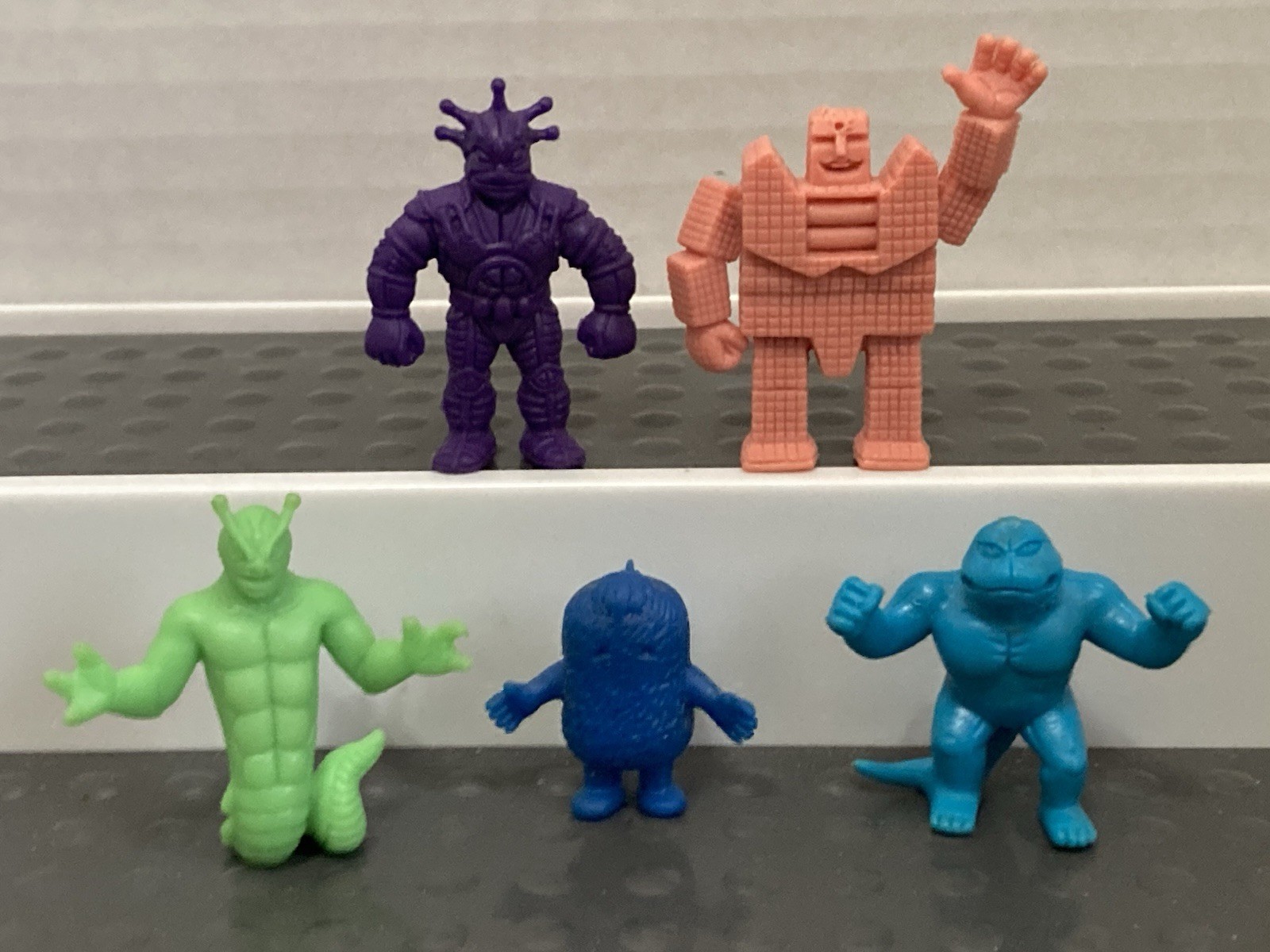


eBay links are affiliate links: JunkPal may earn a commission at no cost to you.
Resale values related to toy sealed
Shop toy sealed on eBay ↗
![Batman [Black And White] #621 (Heroes)](https://storage.googleapis.com/images.pricecharting.com/jnmlup4n7nvvycf4/240.jpg)


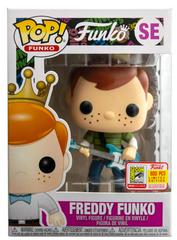
![Freddy Funko As Frodo Baggins [Immortalized] #SE (Freddy Funko)](https://storage.googleapis.com/images.pricecharting.com/kjrzj73hqad4mfye/240.jpg)

JunkPal may earn a commission when you buy through eBay links, at no extra cost to you.
What’s worth the most
Ranked on medians of real closed eBay sales, not asking prices.