What does “toy scarcity” mean?
What it means
Toy scarcity in collecting refers to the limited supply of a specific item relative to market demand. This limitation arises from several sources: intentionally small production runs (e.g., convention exclusives), manufacturer discontinuation (the item is no longer being made), or demand surges that overwhelm existing inventory. The mainstream equivalent is simply "rarity." It is not merely about being old; it is about the verifiable lack of available units. Scarcity directly translates to collectible value because the pool of potential buyers is competing for a finite set of goods.
What it does to price
Scarcity acts as a direct multiplier on base value. A common, mass-produced item might sell for $20. A scarce version of that item, such as a limited-run variant, can easily command 3x to 10x that price, depending on the perceived scarcity level. For example, a standard action figure might sell for $20 loose. If that figure is a confirmed, short-run convention exclusive, a CIB (Complete In Box) copy could fetch $80 to $200, depending on the brand's overall market strength. Factors pushing the price up include confirmed low production numbers and high collector interest; factors pulling it down include high volumes of "unconfirmed" scarcity claims or poor item condition.
How to spot it
Identifying scarcity requires evidence, not just assumption. Look for specific edition markers printed on packaging or within the toy itself (e.g., "Limited Edition," "Convention Exclusive"). For modern toys, check official manufacturer announcements or retailer archives for production run details. When dealing with older items, check auction records for past sales volume. Sellers must provide high-resolution photos of all packaging elements. Be wary of "factory errors" being marketed as scarcity; these are often manufacturing defects, not deliberate scarcity drivers.
Buying smart
Paying a scarcity premium is justifiable when the scarcity is verifiable and the item is in excellent condition. If a toy is genuinely limited and sought after by a defined collector base, the premium is an investment in a tangible asset. The premium is unwarranted when the scarcity claim is vague ("rare find") or when the item is only slightly out of production but still widely available through secondary channels. A fair deal means the asking price reflects the *verifiable* scarcity level, not just the seller's desire to profit from the term itself.
Selling smart
Proving scarcity in a listing immediately elevates perceived value. Buyers pay more for certainty. The single most effective element in a listing is documentation—a photo of the official packaging insert or a specific production code that confirms the limited run status. Using the term "Verified Limited Run" or "Confirmed Exclusive" alongside this proof shifts the item from a speculative collectible to a documented asset. This documentation allows the seller to command the upper end of the scarcity multiplier range, as the buyer's risk of purchasing a common item is eliminated.
On eBay right now
Current asking prices from live listings — not sold-comp medians.
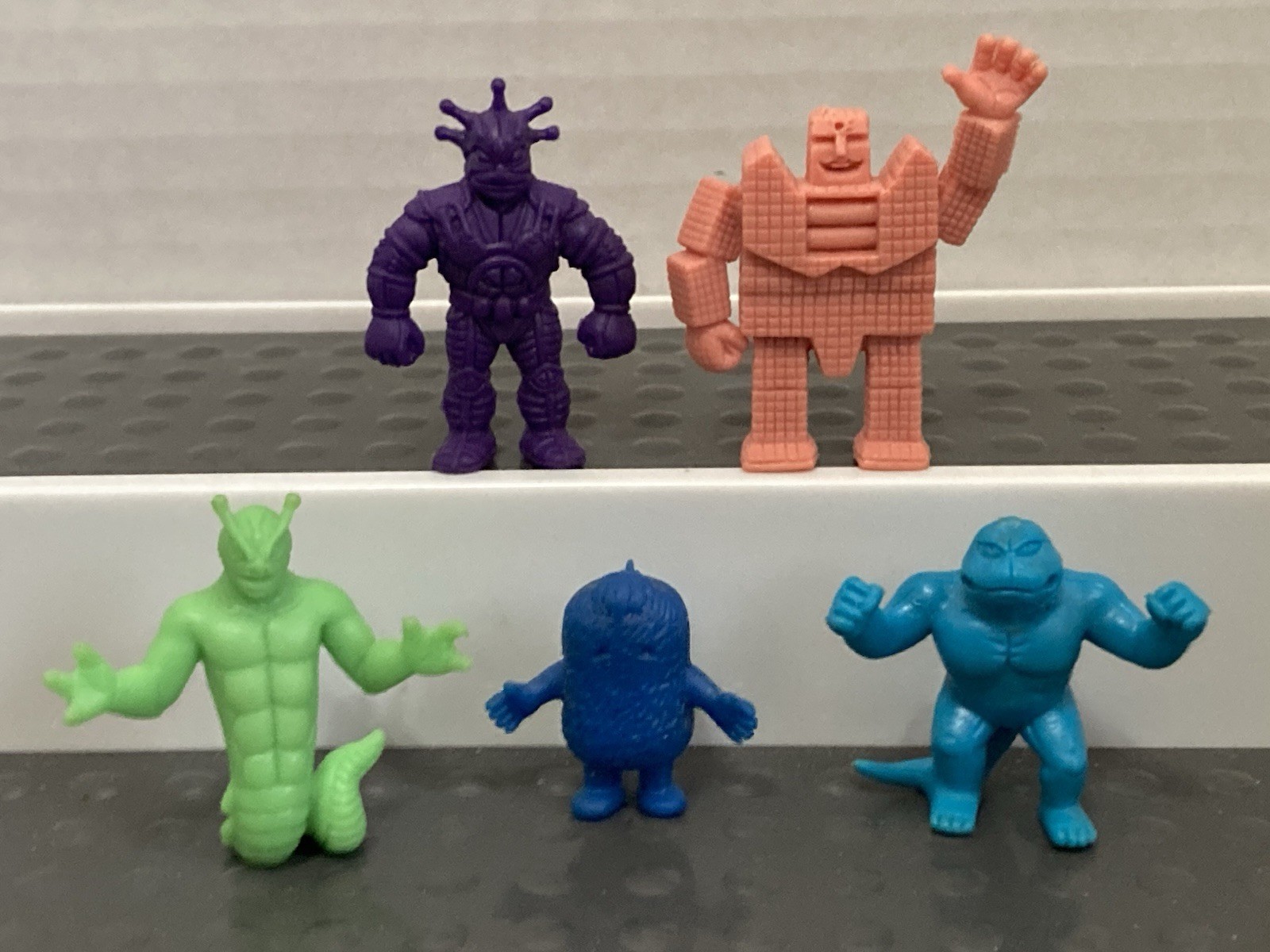


eBay links are affiliate links: JunkPal may earn a commission at no cost to you.
Resale values related to toy scarcity
Shop toy scarcity on eBay ↗![Boba Fett 18 [White Prototype] #537 (Star Wars)](https://storage.googleapis.com/images.pricecharting.com/i6mr2loooevy7oew/240.jpg)
![Whitebeard [MEFCC Chase] #1270 (Animation)](https://storage.googleapis.com/images.pricecharting.com/vo2zwon6en5xmovo/240.jpg)
![Freddy Funko [Red Ranger] #SE (Freddy Funko)](https://storage.googleapis.com/images.pricecharting.com/jgcs4yd5aj4jbeik/240.jpg)
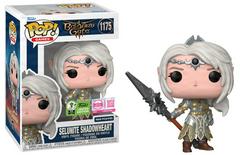
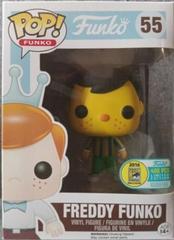
![Cheshire Cat [SDCC] #35 (Disney)](https://storage.googleapis.com/images.pricecharting.com/znaeygzbpqtu5pa3/240.jpg)
![Scooby-Doo [Flocked Pink] #149 (Animation)](https://storage.googleapis.com/images.pricecharting.com/aqn7i2pxg4hm3j5f/240.jpg)

JunkPal may earn a commission when you buy through eBay links, at no extra cost to you.
What’s worth the most
Ranked on medians of real closed eBay sales, not asking prices.