What does “toy sample” mean?
What it means
A toy sample is a non-retail version of a mass-produced toy. These items originate from the manufacturer's production pipeline—they are not intended for general consumer sale. They function as prototypes, marketing giveaways, or review units. The mainstream equivalent is a "pre-production unit" or "mockup." Crucially, a sample’s status is defined by its lack of final retail presentation. It may be loose, partially assembled, or bear internal tooling or testing markings that are absent from the final, boxed product.
What it does to price
Pricing impact is binary: high variance, low predictability. A sample with documented provenance (e.g., "Trade Show Exclusive 2023") can command a 2x to 5x premium over the retail version, especially if the final retail run was small. Conversely, an undocumented, generic factory sample with no unique identifiers is worth significantly less than loose, often trading near $10-$20, regardless of the toy's standard market value. If a sample is confirmed to be a rare, limited-run color test, the multiplier can exceed 10x.
How to spot it
Look for production identifiers. Samples often feature unpainted plastic sections, visible mold lines not present on the final product, or internal serial/batch codes that differ from retail packaging stamps. Check for "Prototype," "Test Unit," or internal SKU numbers printed directly on the plastic or cardboard inserts. Sellers must provide high-resolution photos of any visible markings. A common mistake is confusing a very early production run item with a true, non-marketable sample; the latter will lack any retail branding whatsoever.
Buying smart
Paying a premium for a sample is only justifiable when the item possesses verifiable scarcity or historical documentation. If the sample is simply a loose, unidentifiable piece of plastic, the premium is unwarranted; purchase the standard retail version instead. A fair deal involves a price that reflects the *provenance* (the story/history) rather than the *item* itself. If a $50 retail toy sample is listed for $150 without documentation, the risk is too high.
Selling smart
Listing a sample requires immediate, unambiguous identification. The primary driver of value is the documentation of its status. The single most valuable element to include is a clear photograph of any manufacturer-applied internal markings or a verifiable note stating its origin (e.g., "Convention Promo"). Without this proof, the item defaults to "loose toy," drastically reducing potential buyer interest and price ceiling.
On eBay right now
Current asking prices from live listings — not sold-comp medians.
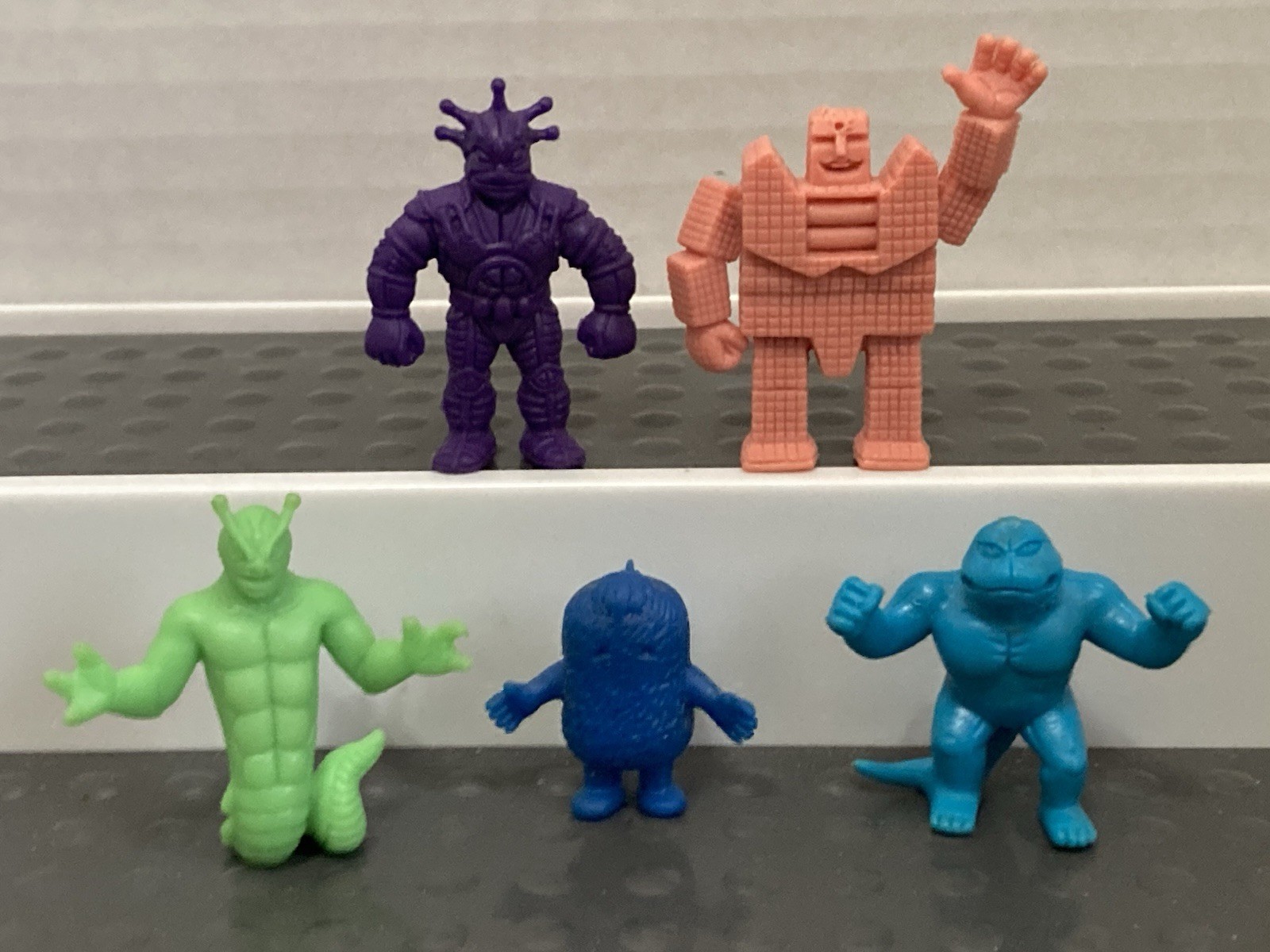


eBay links are affiliate links: JunkPal may earn a commission at no cost to you.
Resale values related to toy sample
Shop toy sample on eBay ↗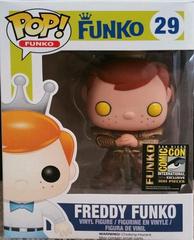

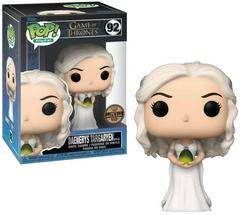

![Spider-Man [GITD] #15 (Marvel)](https://storage.googleapis.com/images.pricecharting.com/sc5zkiw7degrwy2x/240.jpg)
![Freddy Funko [Yoda] #SE (Freddy Funko)](https://storage.googleapis.com/images.pricecharting.com/n6mh2ox3t6yqc5wh/240.jpg)
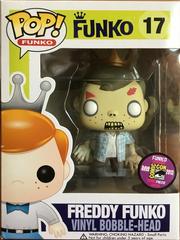

JunkPal may earn a commission when you buy through eBay links, at no extra cost to you.
What’s worth the most
Ranked on medians of real closed eBay sales, not asking prices.