What does “toy repaint variant” mean?
What it means
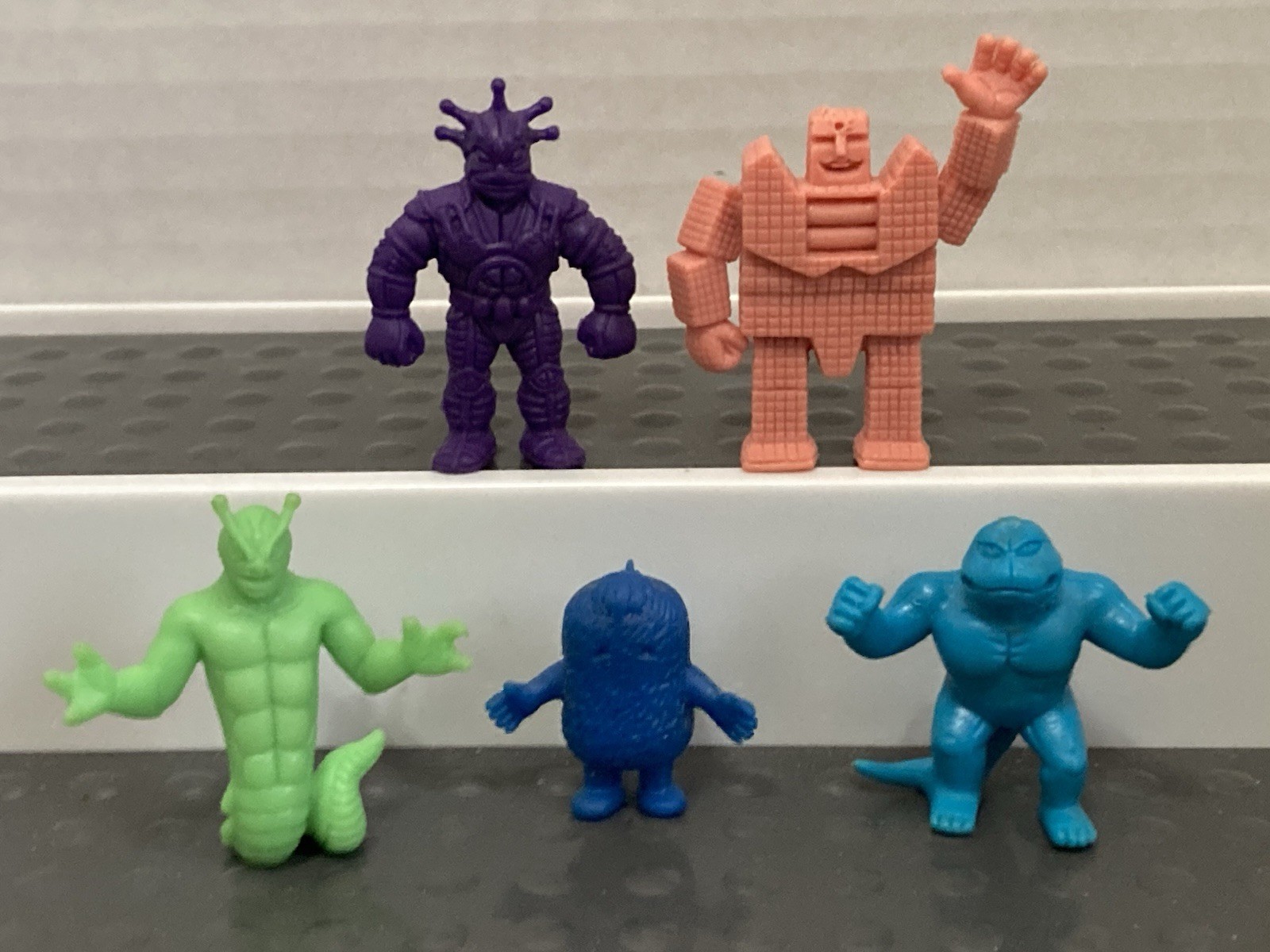
A toy repaint variant is a toy model whose original factory paint application has been intentionally changed or customized. This goes beyond simple wear and tear or accidental damage. The modification is a deliberate aesthetic alteration, ranging from minor touch-ups (e.g., adding weathering washes) to a complete, professional overhaul of the color scheme. For the collector market, this is a specific, non-standard iteration of a known toy mold. The mainstream equivalent is a custom paint job, but in the collecting sphere, the term implies a deliberate, often curated alteration that affects perceived scarcity.
What it does to price
The price impact is highly variable, ranging from negligible to exponential. A minor, amateur repaint might only fetch 1.1x to 1.5x the price of the stock version. A high-quality, professionally executed repaint, especially one replicating a known, rare prototype scheme, can command 3x to 10x the retail value, depending on the subject matter's inherent desirability. A poorly executed repaint—where paint bleeds, colors clash, or application is uneven—will almost always depress the price below the stock item, potentially fetching 0.5x or less. For example, a standard $50 action figure could drop to $30 if the repaint is sloppy.
How to spot it
The tell is the deviation from established factory color guides. Examine joints, panel lines, and accessory colors against known reference images of the original release. Look for paint application inconsistencies: thick globs, visible brush strokes, or areas where the paint layer is too thin or too heavy. Sellers must provide high-resolution, well-lit photos from multiple angles. Ask specifically about the paint medium used (e.g., acrylic, enamel) and the tools employed. Common fakes involve cheap, inconsistent application; honest mistakes are usually overspray or mismatched paint batches.
Buying smart
Paying a premium is justified when the repaint is demonstrably professional, the aesthetic aligns with a recognized, desirable sub-genre (e.g., "army surplus" or "prototype"), and the creator has a known reputation within the community. If the repaint is merely a random color swap without artistic merit or clear rarity justification, the premium is unwarranted. A fair deal requires the asking price to be significantly less than the combined cost of professional custom work plus the premium the market demands for that specific variant.
Selling smart
Proof of quality is the primary driver of increased value. A simple photograph of the toy is insufficient. A listing must include a "process shot"—a clear comparison photo showing the original toy alongside the repainted version, or close-ups highlighting the detail work. Stating the paint materials or the artist’s name immediately elevates the perceived value. The single most effective word in a listing is "Professionally Finished," as it signals the work meets a standard beyond hobbyist attempts.
On eBay right now
Current asking prices from live listings — not sold-comp medians.


eBay links are affiliate links: JunkPal may earn a commission at no cost to you.
Resale values related to toy repaint variant
Shop toy repaint variant on eBay ↗
![Freddy Funko As Captain America [250] #SE (Freddy Funko)](https://storage.googleapis.com/images.pricecharting.com/wnkm4m7twu3vzr5r/240.jpg)

![Freddy Funko Cuphead Devil [Red] #SE (Freddy Funko)](https://storage.googleapis.com/images.pricecharting.com/mw4amgqmd2az3zlh/240.jpg)
![Sung Jinwoo E-Rank [CCXP] #1941 (Animation)](https://storage.googleapis.com/images.pricecharting.com/42ecy45hl6gy6uef/240.jpg)
![Conehead Zombie [Metallic] #5 (Games)](https://storage.googleapis.com/images.pricecharting.com/oaiue4z5mpx3iw67/240.jpg)

![Freddy Funko As Star-Lord [Blacklight] #SE (Freddy Funko)](https://storage.googleapis.com/images.pricecharting.com/66icgzw36lopsd6y/240.jpg)
JunkPal may earn a commission when you buy through eBay links, at no extra cost to you.
What’s worth the most
Ranked on medians of real closed eBay sales, not asking prices.