What does “toy release date” mean?
What it means
Toy release date is the precise calendar day the manufacturer first made a specific toy or collectible available for sale to the general public. This is not the date the mold was created, nor the date a specific batch was produced, but the official launch date. For the collector or reseller, this date anchors the item to a specific production era. It distinguishes an early, potentially scarce "first wave" item from a later, mass-market iteration of the same toy. It serves as a primary data point for establishing the item's age and provenance within the toy line's history.
What it does to price
The release date is a key driver of premium pricing, primarily through scarcity and nostalgia. Early releases—items from the initial launch window—frequently command a 1.5x to 3x multiplier over later, identical releases, provided condition is comparable. Items released during a known, short-run promotion date see significant spikes. Conversely, if a toy's release date falls into a known, long-running production cycle, the price premium for the date itself diminishes. For example, a sealed, mint-condition first-run version of a specific action figure from 1985 might fetch $150, whereas a 2005 re-release of the same figure might sell for $30, even if both are sealed.
How to spot it
The release date is rarely printed directly on the toy itself. Identification relies on external markers. Check the packaging: the box art, instruction manual inserts, or hangtags often carry copyright dates or specific product codes tied to a launch window. For older toys, cross-referencing known manufacturer catalogs or established fan databases against the packaging's SKU is necessary. Common errors include confusing the "copyright date" (when the design was registered) with the "release date." Fakes often use correct logos but fail to match the specific date/batch codes printed on the corresponding packaging elements.
Buying smart
Paying a significant premium for an item based solely on its release date is only justified when the item is verifiably part of a known, limited initial run, or when the item represents a significant, highly desired "first appearance" piece. If the date difference is minor (e.g., two months apart within a major product line), the price difference should be minimal unless condition is vastly superior. A fair deal involves a price that reflects the scarcity confirmed by the date, not just the item's general desirability. If the date cannot be confirmed, the premium should be discounted.
Selling smart
Proving the release date adds immediate, verifiable value to a listing. It moves the item from being "a vintage toy" to "a specific, early-production piece from the 1992 launch." The single most effective addition to a listing is a high-resolution photograph of the specific manufacturing code or dated sticker found on the packaging, clearly labeled as the date confirmation. Using the phrase "Confirmed First Wave Release" in the title or description immediately signals provenance to informed buyers, justifying a higher asking price.
On eBay right now
Current asking prices from live listings — not sold-comp medians.
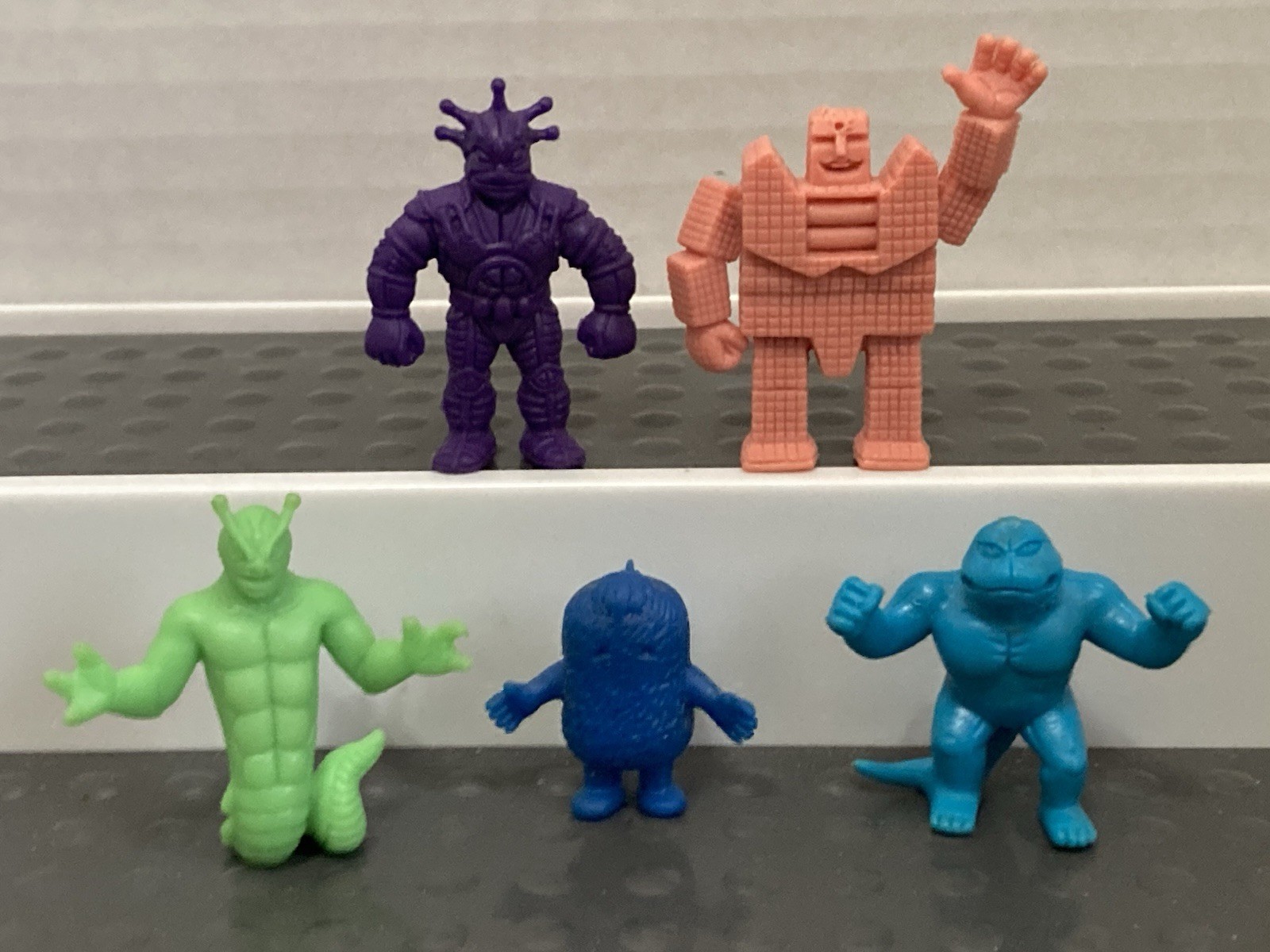


eBay links are affiliate links: JunkPal may earn a commission at no cost to you.
Resale values related to toy release date
Shop toy release date on eBay ↗![Franken Berry [Metallic] #2 (Ad Icons)](https://storage.googleapis.com/images.pricecharting.com/qrurqqrucql2q6ks/240.jpg)
![Freddy Funko As Captain America [250] #SE (Freddy Funko)](https://storage.googleapis.com/images.pricecharting.com/wnkm4m7twu3vzr5r/240.jpg)

![Freddy Funko Cuphead Devil [Red] #SE (Freddy Funko)](https://storage.googleapis.com/images.pricecharting.com/mw4amgqmd2az3zlh/240.jpg)
![Sung Jinwoo E-Rank [CCXP] #1941 (Animation)](https://storage.googleapis.com/images.pricecharting.com/42ecy45hl6gy6uef/240.jpg)
![Conehead Zombie [Metallic] #5 (Games)](https://storage.googleapis.com/images.pricecharting.com/oaiue4z5mpx3iw67/240.jpg)

JunkPal may earn a commission when you buy through eBay links, at no extra cost to you.
What’s worth the most
Ranked on medians of real closed eBay sales, not asking prices.