What does “toy release” mean?
What it means
"Toy release" denotes the specific date or window when a manufacturer officially makes a toy or collectible available for sale to the public. This is the primary market entry point. For collectors and resellers, this date establishes the item's baseline scarcity. It is not merely the date it hits a shelf; it is the starting point of its market lifecycle. Limited runs, announced with a specific release date, are immediately flagged as high-demand assets. General releases lack this immediate scarcity marker.
What it does to price
Release timing directly impacts initial and long-term valuation. Items released in extremely limited quantities (e.g., convention exclusives or "first run" variants) can see immediate price inflation of 3x to 10x over MSRP upon scarcity realization. Early access or pre-order items, if secured in mint condition, often carry a 1.2x to 1.8x premium over the general release version due to guaranteed condition and immediate availability. Conversely, mass-market items released in high volume will see minimal price appreciation, often stabilizing near MSRP or dropping slightly after the initial hype cycle.
How to spot it
The release date is usually documented in official product announcements, retailer listings, or manufacturer press kits. For physical items, look for specific packaging codes, production run numbers, or variant markings printed on the box or internal hangtags. Fakes often fail to match the exact release window documentation or use incorrect copyright dates. A seller listing an item without any reference to its original release window requires immediate verification via official product databases.
Buying smart
Paying a significant premium for a toy based solely on its release date is only justified when the item is verifiably a limited edition or a highly sought-after variant tied to a specific, small-scale release event (e.g., a specific convention). If the item is a standard, wide-release mainline figure, paying more than 1.3x MSRP is usually poor investment unless the item is critically rare. A fair deal involves a price that reflects the *scarcity tier* (Limited vs. Standard), not just the date it was released.
Selling smart
Proving the original release context dramatically increases buyer confidence and perceived value. Listing the item with the specific release date, alongside photographic evidence of the original packaging or promotional material, allows the seller to anchor the price in scarcity. The single most valuable piece of evidence is a clear, high-resolution photo of the box showing any visible edition stamps or limited-run identifiers. This transforms the listing from a simple sale into a documented collectible transaction.
On eBay right now
Current asking prices from live listings — not sold-comp medians.
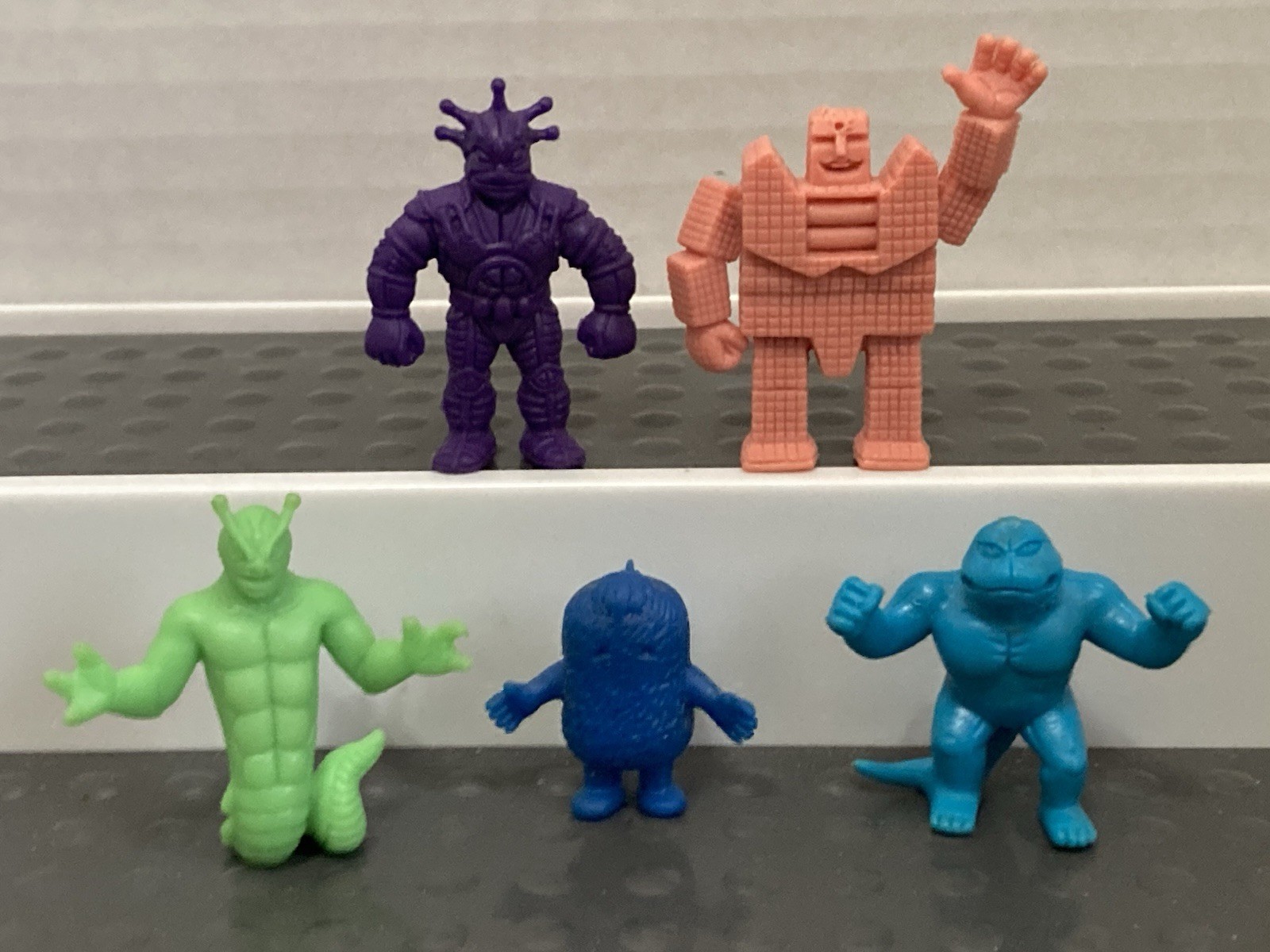


eBay links are affiliate links: JunkPal may earn a commission at no cost to you.
Resale values related to toy release
Shop toy release on eBay ↗
![Bruce Lee Kicking [San Fransisco Giants - Orange] #592 (Movies)](https://storage.googleapis.com/images.pricecharting.com/tloc5jtmmdjh5x25/240.jpg)
![Ariel & Ursula [Metallic] (Minis)](https://storage.googleapis.com/images.pricecharting.com/ovxsxrus2ixljhed/240.jpg)


![Freddy Funko As Optimus Prime [Metallic] #SE (Freddy Funko)](https://storage.googleapis.com/images.pricecharting.com/7nkbfbjrdovbgf6p/240.jpg)

JunkPal may earn a commission when you buy through eBay links, at no extra cost to you.
What’s worth the most
Ranked on medians of real closed eBay sales, not asking prices.