What does “toy reissue” mean?
What it means
A toy reissue is a contemporary manufacturing run of a toy model previously sold by the same company. This is not a repaint or a simple restock of old inventory. A reissue signifies a deliberate, new production cycle. These can range from exact replicas (often labeled as "retro" or "heritage") to modernized versions utilizing updated tooling or materials. The core distinction for collectors is the relationship to the original release date. A reissue is a modern iteration of a historical design.
What it does to price
Price impact depends entirely on the fidelity to the original. An exact, high-quality reissue of a desirable vintage piece can command a premium of 1.2x to 2.5x over a comparable modern, non-reissue version, provided the reissue is officially documented. If the reissue is a cheap, low-quality knock-off masquerading as a reissue, the price drops to 0.5x or less. A highly limited, officially sanctioned reissue of a rare mold can see multipliers exceeding 3x the standard modern retail price due to scarcity. A $50 modern version might sell for $75 if it's a verified, limited-run reissue.
How to spot it
Verification requires examining manufacturing data. Look for copyright dates on packaging or internal mold markings that align with the current production year, not the original release year. Official reissues often carry specific edition numbers or manufacturer stamps indicating a "Reissue" or "Heritage Collection" designation. Common errors include using original, obsolete packaging designs with new internal components. Always request high-resolution photos of the bottom of the toy, specifically looking for mold codes or batch numbers, and any visible print on the box that references the original product line.
Buying smart
Paying a premium for a reissue is justified when the reissue is a high-fidelity reproduction of a piece that is otherwise unobtainable in good condition. If the original toy was highly sought after and has a known, small production run, a good reissue offers accessible entry. Paying a premium is not worth it for a reissue that is clearly a budget imitation or a minor aesthetic update that doesn't significantly change the toy's collectible value. A fair deal involves the reissue price being within 1.5x of the established secondary market value of the original, factoring in the reissue's official status.
Selling smart
Proving the item is an official reissue significantly elevates perceived value, especially for older or niche lines. Buyers pay more for documented history. The single most valuable element in a listing is a clear photograph of the manufacturer's certification stamp or the copyright date on the packaging. The word "Verified Reissue" in the title, backed by photographic proof, signals authenticity and justifies a higher asking price, often netting a 15-30% premium over an unverified listing.
On eBay right now
Current asking prices from live listings — not sold-comp medians.
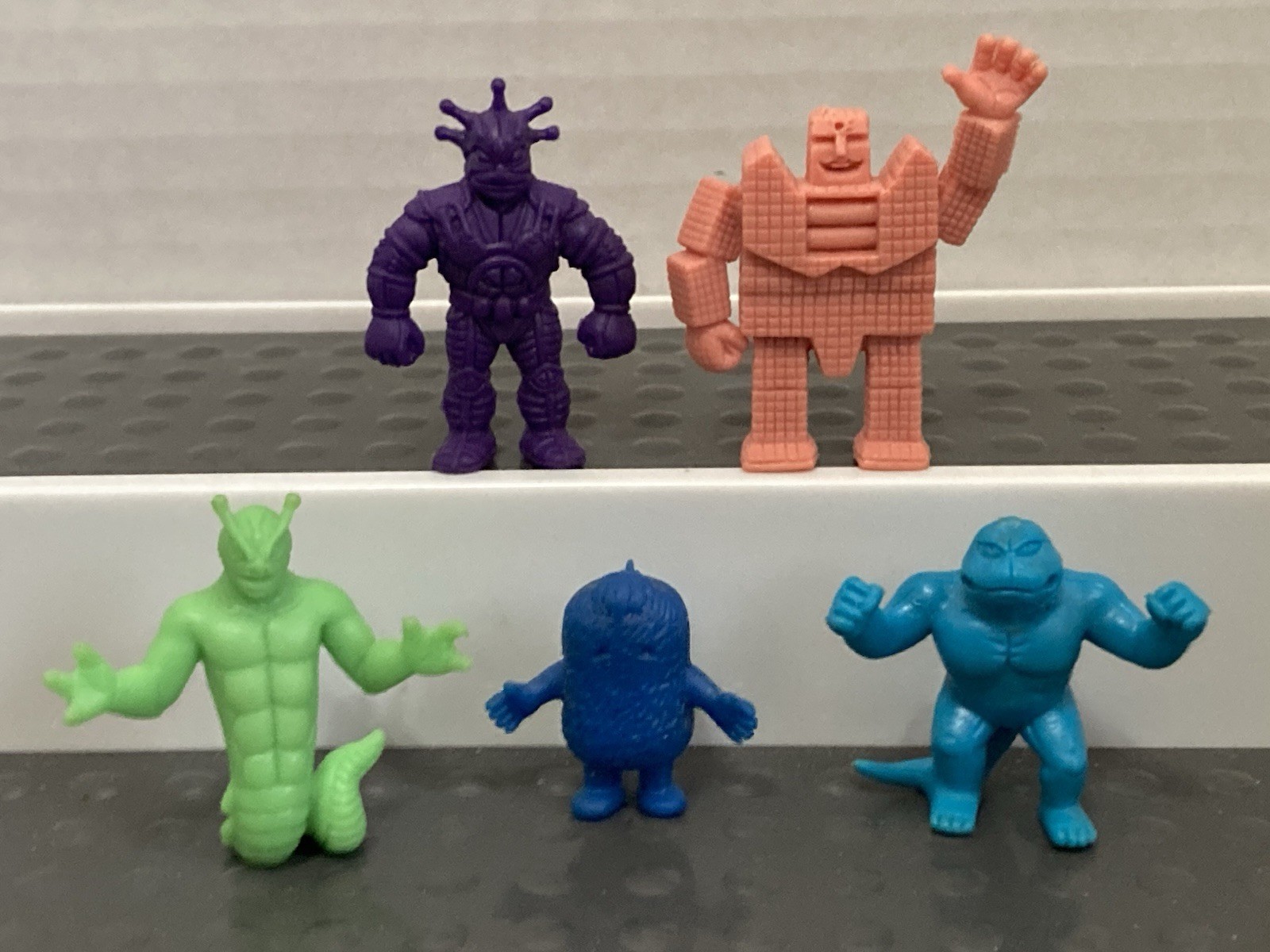


eBay links are affiliate links: JunkPal may earn a commission at no cost to you.
Resale values related to toy reissue
Shop toy reissue on eBay ↗
![Franken Berry [Metallic] #2 (Ad Icons)](https://storage.googleapis.com/images.pricecharting.com/qrurqqrucql2q6ks/240.jpg)
![Freddy Funko As Captain America [250] #SE (Freddy Funko)](https://storage.googleapis.com/images.pricecharting.com/wnkm4m7twu3vzr5r/240.jpg)

![Freddy Funko Cuphead Devil [Red] #SE (Freddy Funko)](https://storage.googleapis.com/images.pricecharting.com/mw4amgqmd2az3zlh/240.jpg)
![Sung Jinwoo E-Rank [CCXP] #1941 (Animation)](https://storage.googleapis.com/images.pricecharting.com/42ecy45hl6gy6uef/240.jpg)
![Conehead Zombie [Metallic] #5 (Games)](https://storage.googleapis.com/images.pricecharting.com/oaiue4z5mpx3iw67/240.jpg)
JunkPal may earn a commission when you buy through eBay links, at no extra cost to you.
What’s worth the most
Ranked on medians of real closed eBay sales, not asking prices.