What does “toy rarity” mean?
What it means
Toy rarity is the quantifiable scarcity of a specific toy within its total production output or current market circulation. It is not merely about being old; it is about low supply relative to demand. This concept functions as the collectible equivalent of limited edition status. A toy is rare if it was produced in extremely low volumes, if its production was abruptly halted before widespread distribution, or if it is structurally difficult to keep in high-grade condition. The mainstream equivalent is scarcity value. High rarity drives desirability among specialized collectors, directly influencing market valuation.
What it does to price
Rarity acts as a direct, often exponential, multiplier on base value. A common variant might sell for $20; the same toy in a verified, extremely rare variant could command $200 or more. Specific scarcity markers—such as error variants, prototype runs, or authenticated limited editions—can increase value by 5x to 10x. Conversely, overproduction or widespread distribution drastically caps potential gains. For instance, a mass-produced, standard-issue figure might sell for $15, while a verified "factory test shot" version of that same figure could easily exceed $150.
How to spot it
Identification requires deep knowledge of the manufacturer’s production history. Look for specific identifiers: unique mold markings, serial numbers, or specific packaging variations (e.g., a different UPC or a specific sticker placement). Sellers must provide high-resolution photos of all markings. Common pitfalls include misidentifying a regional variant as a true limited release, or confusing a production error (a mistake) with an intentional, rare variant. Always cross-reference known production timelines for the toy line.
Buying smart
Paying a premium for rarity is justifiable when the item is confirmed to be a documented, low-production variant, and the price is within established collector benchmarks for that specific scarcity level. It is not worth the premium if the scarcity claim is anecdotal or unverified. A fair deal involves a price that reflects the verified scarcity against comparable, authenticated sales data. If the difference between the common version and the rare version is only marginal in price, the risk of overpaying for unsubstantiated rarity is high.
Selling smart
Proving rarity converts potential buyers into serious bidders. A listing that clearly states, "Verified Limited Run, Lot #45B," or includes a photo of a specific, hard-to-find production stamp, commands a significant premium over a listing simply described as "Vintage." The single most effective element is providing photographic evidence of the scarcity marker—the specific error, the unique packaging insert, or the low-run sticker. This documentation shifts the item from being merely "old" to being a documented collectible asset.
On eBay right now
Current asking prices from live listings — not sold-comp medians.
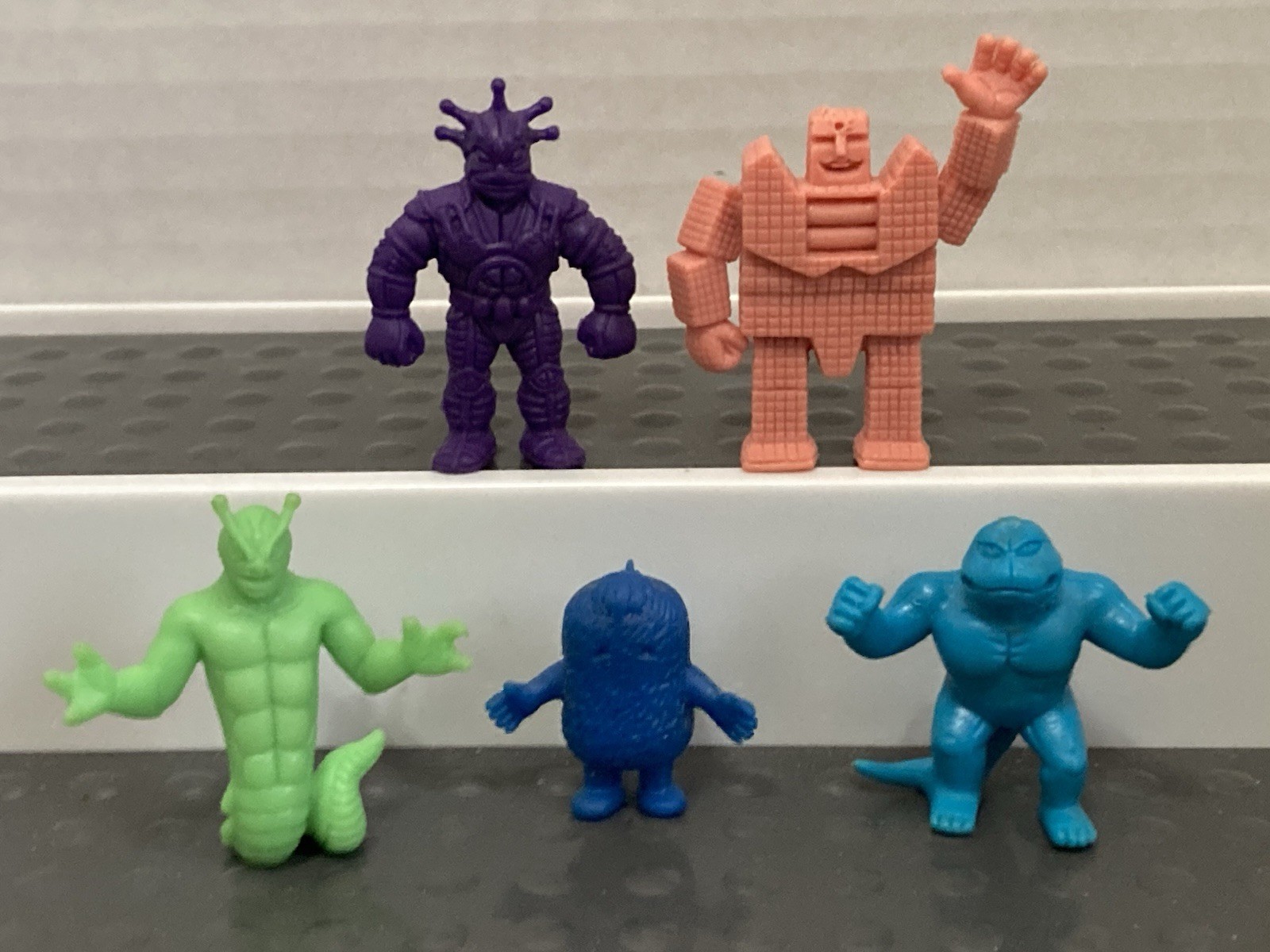


eBay links are affiliate links: JunkPal may earn a commission at no cost to you.
Resale values related to toy rarity
Shop toy rarity on eBay ↗
![Freddy Funko As White Ranger [SDCC] #SE (Freddy Funko)](https://storage.googleapis.com/images.pricecharting.com/qvpx6g26q24wi5gi/240.jpg)
![Gizmo [Flocked] #4 (Movies)](https://storage.googleapis.com/images.pricecharting.com/ppliumnvbzjs6pxm/240.jpg)



![Freddy Funko As Shipwreck [GITD] #SE (Freddy Funko)](https://storage.googleapis.com/images.pricecharting.com/djflr6rhgusz3nxw/240.jpg)
JunkPal may earn a commission when you buy through eBay links, at no extra cost to you.
What’s worth the most
Ranked on medians of real closed eBay sales, not asking prices.