What does “toy rare” mean?
What it means
"Toy rare" is an informal descriptor for a toy possessing high scarcity within a specific collecting market. It is not a formal grading term like Mint or VF; rather, it is a general indicator of limited availability. The mainstream equivalent is "limited edition" or "hard-to-find." Scarcity arises from several factors: extremely low production runs, the item being a short-lived promotional piece, or significant attrition (damage/loss) from the existing supply. The term implies high desirability driven by the difficulty of acquisition.
What it does to price
Rarity acts as a primary value multiplier. A common, mass-produced item might sell for $10. A "toy rare" version of that same item, if verifiable, can easily command a 3x to 10x premium, depending on the level of scarcity. For example, a common action figure might sell loose for $10; a verified, scarce variant could fetch $50 to $100 or more. Factors pushing the price up include verifiable production codes, factory errors (if sought after), and pristine condition. Factors pulling the price down include unverified claims of rarity or significant damage.
How to spot it
Spotting rarity requires detailed inspection beyond surface appearance. Key tells include specific mold variations, unique paint applications, or distinct packaging print runs. For example, a specific sticker placement or a subtle change in plastic coloration can denote a variant run. Sellers must provide high-resolution photos of any identifying marks, such as copyright stamps or production batch numbers located on the underside or inside the packaging. Common pitfalls include misidentification of common variants as true rarities, or sellers exaggerating scarcity without proof.
Buying smart
Paying a premium for a "toy rare" item is justifiable when the scarcity is verifiable and the item is in excellent, complete condition. If the item is heavily damaged or the rarity claim is vague, the premium is not worth the risk. A fair deal involves the asking price being within a reasonable multiple (e.g., 2x to 5x) of the highest documented sales for *verified* examples. If the seller cannot provide documentation supporting the rarity claim, the item should be treated as a standard, non-rare piece.
Selling smart
Proving the scarcity directly translates to higher realized value. A listing that explicitly states, "Verified Variant – Limited Run," and includes photos of the specific identifying code, commands a significantly higher price than a generic listing. The single most valuable asset in a listing is a clear, close-up photograph of the unique production marker or edition stamp. This visual proof shifts the item from a speculative collectible to a documented asset, allowing the seller to capture the true premium associated with its scarcity.
On eBay right now
Current asking prices from live listings — not sold-comp medians.
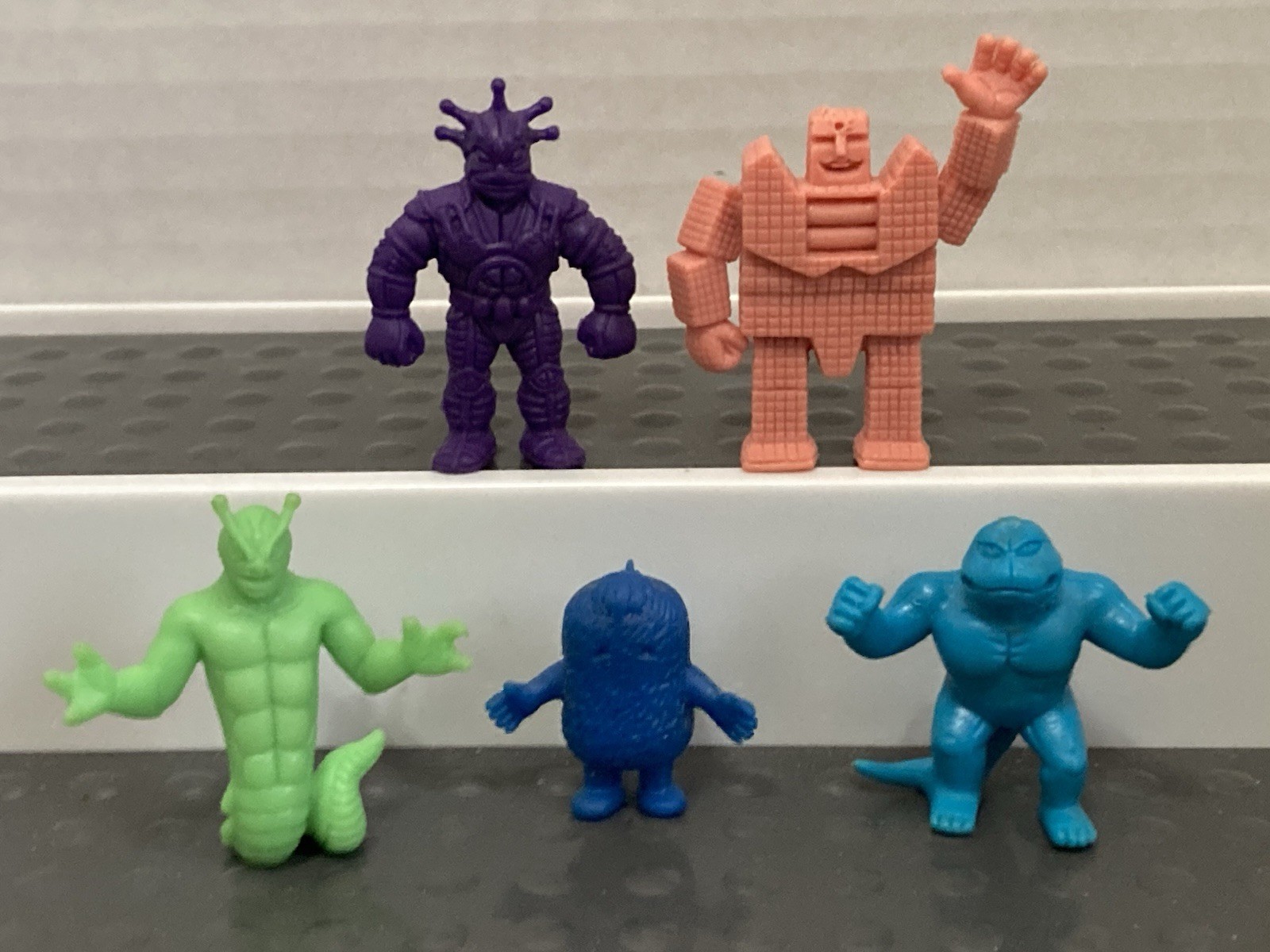


eBay links are affiliate links: JunkPal may earn a commission at no cost to you.
Resale values related to toy rare
Shop toy rare on eBay ↗![Charizard [Metallic] #843 (Games)](https://storage.googleapis.com/images.pricecharting.com/iqzkm72uainftjs5/240.jpg)
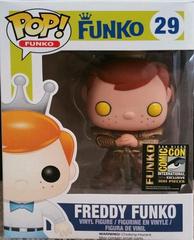



![Spider-Man [GITD] #15 (Marvel)](https://storage.googleapis.com/images.pricecharting.com/sc5zkiw7degrwy2x/240.jpg)
![Freddy Funko [Yoda] #SE (Freddy Funko)](https://storage.googleapis.com/images.pricecharting.com/n6mh2ox3t6yqc5wh/240.jpg)
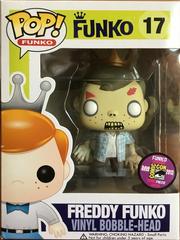
JunkPal may earn a commission when you buy through eBay links, at no extra cost to you.
What’s worth the most
Ranked on medians of real closed eBay sales, not asking prices.