What does “toy provenance” mean?
What it means
Toy provenance is the verifiable chain of ownership and history attached to a specific toy. It documents the item's journey: manufacturer, original distribution channel, previous owners, and any significant maintenance or modification. This is the documented backstory. For collectors, provenance serves as an authenticity certificate. It moves the item from being a generic piece of plastic or metal to a documented artifact. Mainstream equivalent: Chain of custody or item history.
What it does to price
Provenance acts as a direct value multiplier. A toy with documented provenance—such as being part of a known historical auction lot or originating from a documented private collection—can command a 2x to 5x premium over an identical, undocumented piece. A CIB (Complete In Box) copy with verifiable provenance might fetch $1,500, whereas the same toy loose and undocumented might sell for $500. Negative provenance (e.g., documented repairs or association with known counterfeiters) immediately depreciates value.
How to spot it
Spotting provenance requires documentation, not just the toy itself. Look for factory markings that align with known production runs. Request high-resolution photos of original packaging, shipping manifests, or acquisition receipts. Common red flags include vague seller descriptions ("found in attic") or mismatched packaging details. If a seller claims provenance, they must provide supporting paper trails, not just anecdotes.
Buying smart
Paying a premium for provenance is justified when the item is rare, highly sought after, or tied to a specific cultural moment (e.g., a toy from a specific limited-run promotional event). Do not pay a massive premium for provenance on common, mass-market toys; the cost of verification often outweighs the marginal gain. A fair deal involves a documented history that supports a price increase of 15% to 30% over the baseline market value.
Selling smart
In listings, proving provenance transforms the item from a commodity into a collectible asset. Buyers pay for certainty. The single most effective element is an original, dated receipt or a photograph of the item within its original, factory-sealed packaging alongside a dated acquisition note. Listing the history clearly—e.g., "Acquired from 1980s estate sale, documented lot #45"—justifies a higher asking price and attracts serious, higher-budget collectors.
On eBay right now
Current asking prices from live listings — not sold-comp medians.
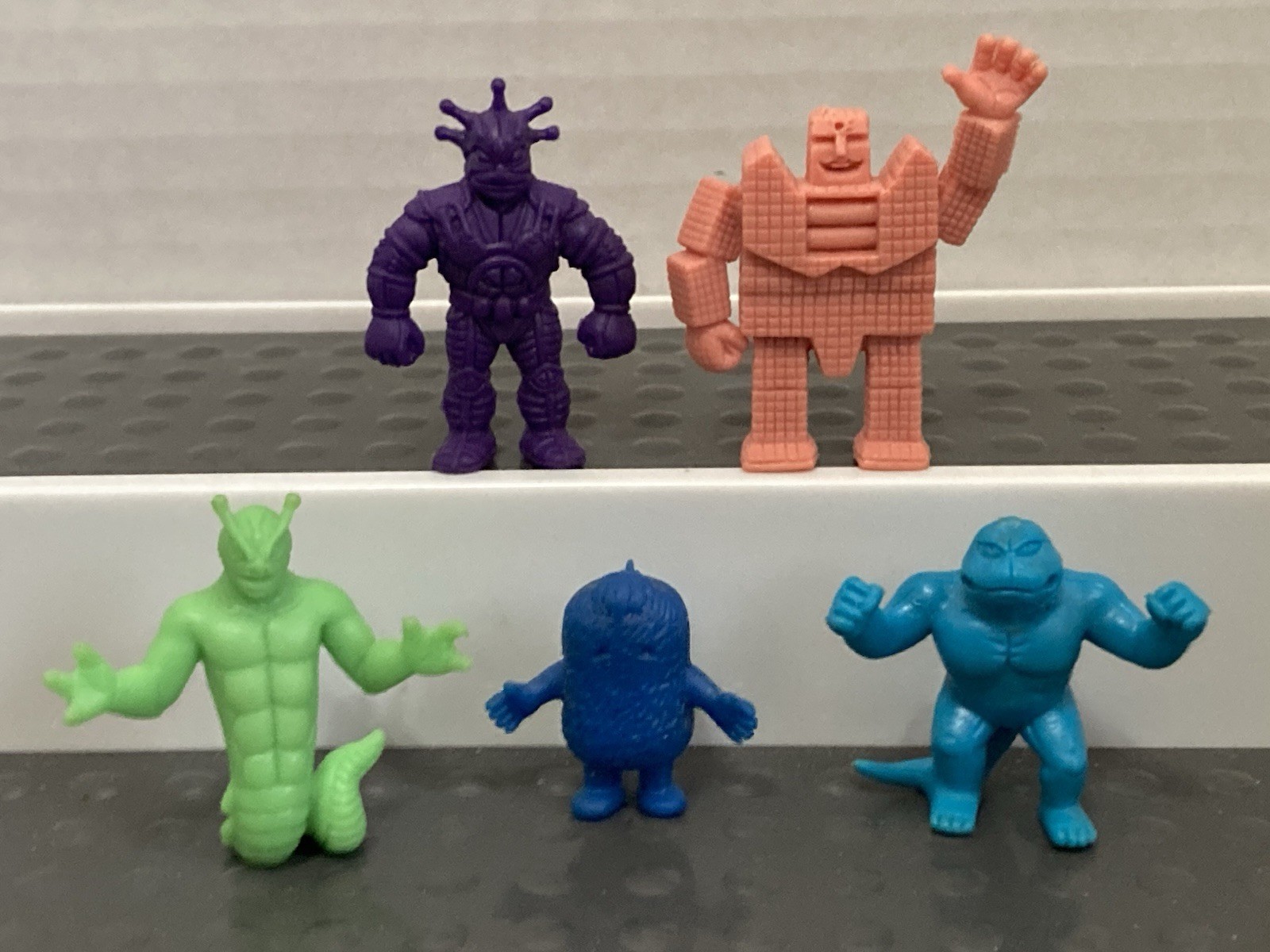


eBay links are affiliate links: JunkPal may earn a commission at no cost to you.
Resale values related to toy provenance
Shop toy provenance on eBay ↗![Freddy Funko [Gold] #PH (Freddy Funko)](https://storage.googleapis.com/images.pricecharting.com/zbyu5wjvlxhhv6x4/240.jpg)

![Buzz Lightyear [Metallic] #2 (Disney)](https://storage.googleapis.com/images.pricecharting.com/baxcbwmmh7i2wcox/240.jpg)
![Disco Zombie [Metallic] #3 (Games)](https://storage.googleapis.com/images.pricecharting.com/dflh6idg3nnadoft/240.jpg)
![Deadpool [White GITD] #20 (Marvel)](https://storage.googleapis.com/images.pricecharting.com/ith53jbayvb46m3w/240.jpg)
![Freddy Funko Pink Hair [SDCC] #SE (Freddy Funko)](https://storage.googleapis.com/images.pricecharting.com/2ssbuzc2k7p3uovu/240.jpg)

JunkPal may earn a commission when you buy through eBay links, at no extra cost to you.
What’s worth the most
Ranked on medians of real closed eBay sales, not asking prices.