What does “toy prototype” mean?
What it means
A toy prototype is an early, non-retail version of a toy created during the design and development phase before mass production. This term encompasses several distinct items: concept models (initial, often rough sketches or 3D prints), factory samples (the first functional molds), and pre-production runs (small batches used for final quality checks). Unlike a final retail item, a prototype is a direct artifact of the product's creation history. The core value lies in its rarity and its direct link to the item’s origin story, making it a piece of industrial design history rather than just a plaything.
What it does to price
Prototypes command significant premiums over final retail versions. The multiplier depends heavily on the stage of development. A high-quality, documented factory sample can fetch 3x to 10x the price of a sealed retail version, especially for highly sought-after IPs. A very early, unrefined concept model might be less valuable unless it is exceptionally unique or tied to a major industry figure. A minor flaw or an unverified prototype will see a steep discount, potentially only 1.2x the retail price. For instance, a sealed retail action figure might sell for \$100; a verifiable, early-stage prototype of the same figure could easily trade for \$500 to \$1,000+.
How to spot it
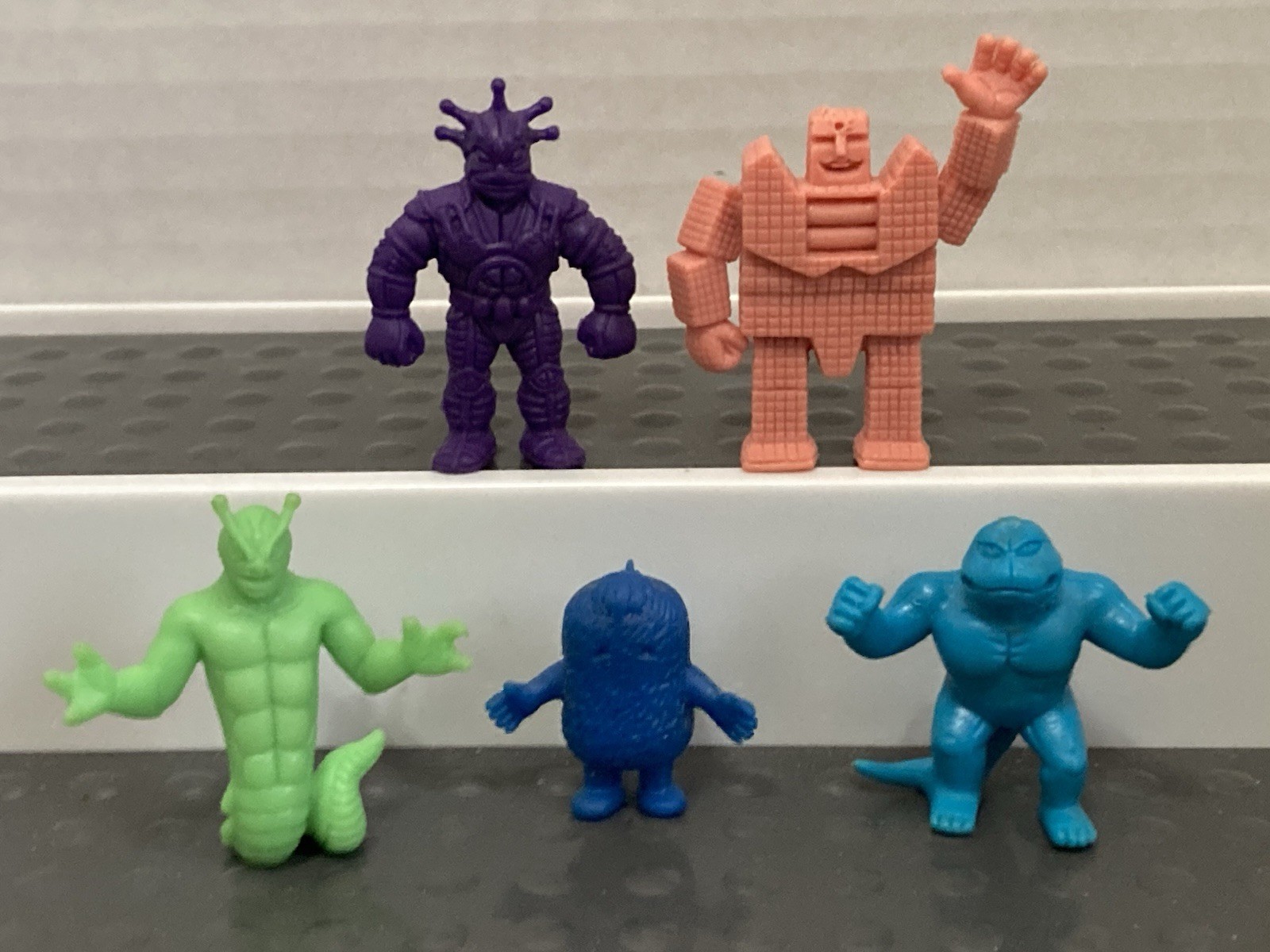
Identifying a true prototype requires close inspection. Look for manufacturing inconsistencies: rougher paint applications, visible mold lines, or simplified features not present in the final product. Early samples often lack final packaging or use temporary, unbranded inserts. Sellers must provide evidence. Request photos showing internal markings, mold numbers, or specific production codes that differ from the final retail run. Common mistakes include mislabeling a late-stage production sample as a "concept prototype." Fakes often mimic the look of early samples but lack the specific, traceable production identifiers.
Buying smart
Paying a premium for a prototype is justified when the item is confirmed to be from a critical, documented stage of development—ideally a factory sample from a known, respected manufacturer. If the item is merely "early" but lacks clear provenance or verifiable documentation, the premium is speculative risk. A fair deal involves the seller providing clear, dated photographic evidence linking the piece to the product's known development timeline. If the documentation is weak, the price should remain closer to a high-grade retail version, not a museum-grade artifact.
Selling smart
The listing must establish the item’s developmental stage immediately. Do not simply list it as "Prototype"; specify if it is a "Factory Sample," "Concept Model," or "Pre-Production Run." The single most valuable element in a listing is a high-resolution photo showing a unique identifying mark, such as a specific mold number or an internal sticker that confirms its early status. This documentation transforms the item from a rare toy into a documented piece of industrial history, justifying the highest possible price tier.
On eBay right now
Current asking prices from live listings — not sold-comp medians.


eBay links are affiliate links: JunkPal may earn a commission at no cost to you.
Resale values related to toy prototype
Shop toy prototype on eBay ↗![Bruce Lee Kicking [San Fransisco Giants - Orange] #592 (Movies)](https://storage.googleapis.com/images.pricecharting.com/tloc5jtmmdjh5x25/240.jpg)
![Ariel & Ursula [Metallic] (Minis)](https://storage.googleapis.com/images.pricecharting.com/ovxsxrus2ixljhed/240.jpg)


![Freddy Funko As Optimus Prime [Metallic] #SE (Freddy Funko)](https://storage.googleapis.com/images.pricecharting.com/7nkbfbjrdovbgf6p/240.jpg)

![Jason Voorhees [Summer Convention] #202 (Movies)](https://storage.googleapis.com/images.pricecharting.com/kebpbmethdc5wdfo/240.jpg)
JunkPal may earn a commission when you buy through eBay links, at no extra cost to you.
What’s worth the most
Ranked on medians of real closed eBay sales, not asking prices.