What does “toy production variant” mean?
What it means
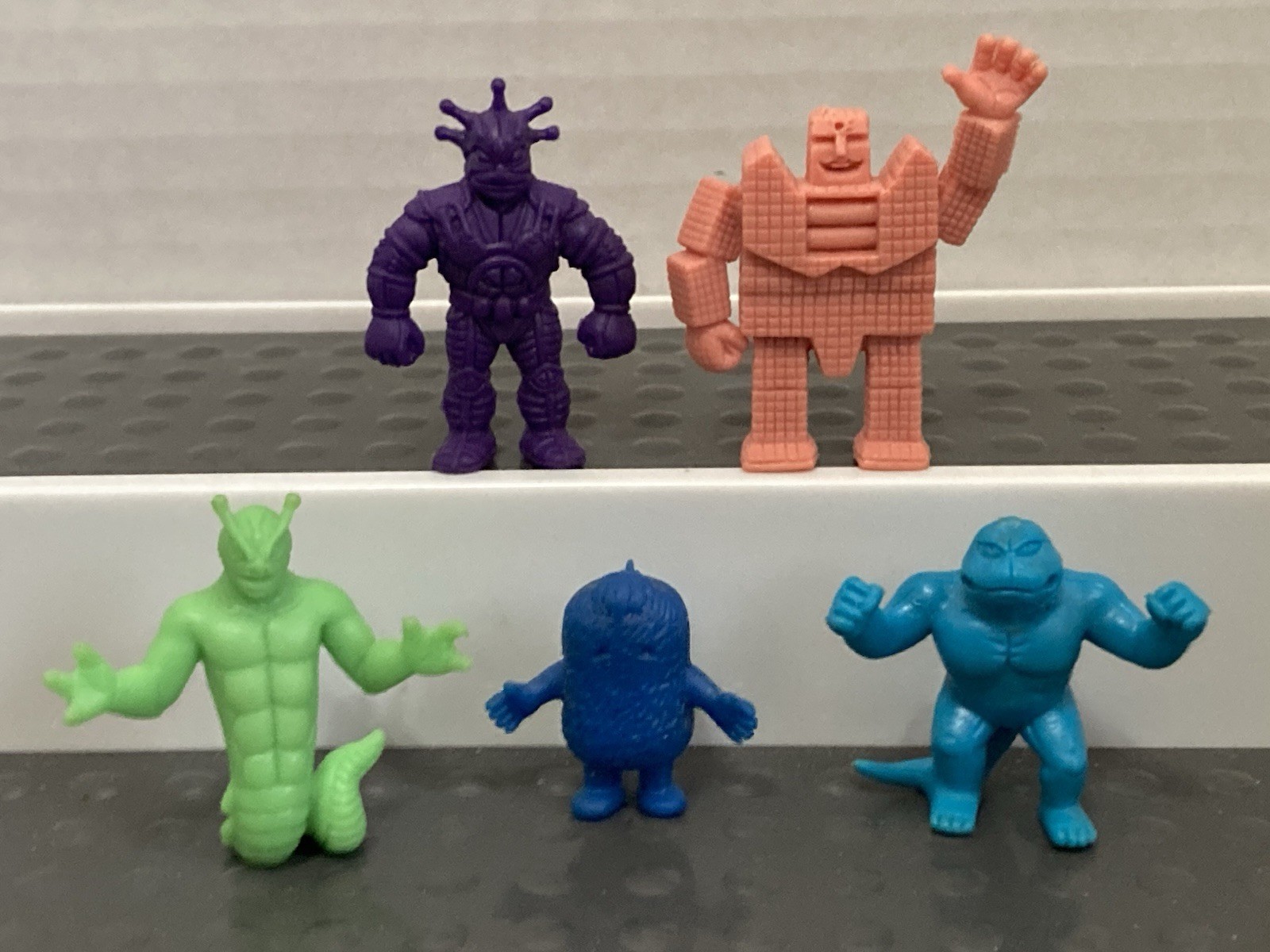
A toy production variant is a specific, documented deviation from the standard mass-produced version of a toy. This is not simply wear and tear; it is a difference introduced during the manufacturing process itself. Variations include, but are not limited to, changes in plastic color (e.g., a shift from bright red to maroon), tooling changes that alter mold lines, alterations in paint application (e.g., a different shade of decal or paint wash), or changes in included accessories (e.g., a specific weapon being swapped for a different accessory). In collecting terms, this is a specific manufacturing iteration, not a flaw, unless the deviation is clearly a defect.
What it does to price
Variants directly impact market value based on rarity and desirability. A confirmed, desirable variant can see prices jump 2x to 5x over the standard release, especially if the variant corresponds to a known, limited production run. Conversely, an undocumented or accidental variant (a true flaw) will almost always decrease value, often by 10-30%. For example, a standard action figure might sell for \$30 loose. If a specific, sought-after paint variant is confirmed, that same figure could command \$75 to \$150 depending on market demand for that specific colorway.
How to spot it
Identifying a variant requires close inspection. Look for subtle differences in paint application—is the weathering thicker or thinner than expected? Check the plastic itself for slight texture differences or mold seam placement. Accessory variations are often the easiest to spot: compare the included piece against known reference photos. Sellers must provide high-resolution, well-lit photos of the specific area in question. Be wary of "fakes" being presented as variants; sometimes, poor aftermarket repaints are mistaken for factory changes. Cross-referencing known variant guides is the only reliable verification method.
Buying smart
Paying a premium for a variant is justified only when the variant is historically significant or demonstrably rare within the community. If a variant is only marginally different (e.g., a slightly different sticker placement) and has no established collector demand, the premium is likely inflated. A fair deal involves the seller providing verifiable proof of the variant status, and the asking price reflecting documented scarcity. If the seller cannot definitively prove the variant status, the price should align with the standard release, regardless of the claimed difference.
Selling smart
Proving the variant status in the listing is the primary driver of premium pricing. A simple, clear declaration like "Confirmed Variant: Early Run Blue Mold" immediately signals specialized knowledge to serious buyers. The single most effective element is a photo that clearly isolates the differentiating feature—a close-up of the unique paint application or the specific mold mark. This level of detail shifts the item from a general collectible to a specific, desirable piece of production history, allowing for a significant markup over standard listings.
On eBay right now
Current asking prices from live listings — not sold-comp medians.


eBay links are affiliate links: JunkPal may earn a commission at no cost to you.
Resale values related to toy production variant
Shop toy production variant on eBay ↗![Freddy Funko As Anakin Skywalker [GITD] #SE (Freddy Funko)](https://storage.googleapis.com/images.pricecharting.com/l2qlb5zupfv4gm36/240.jpg)
![Spider-Man [Gemini Collectibles GITD] #15 (Marvel)](https://storage.googleapis.com/images.pricecharting.com/c23umoa5a2ptlx7g/240.jpg)
![Luke Skywalker [Metallic Gold] #266 (Star Wars)](https://storage.googleapis.com/images.pricecharting.com/yarnjv4bqbmbko3y/240.jpg)
![Freddy Funko As Shredder [100] #SE (Freddy Funko)](https://storage.googleapis.com/images.pricecharting.com/2qqvjw6sp7rvk6wo/240.jpg)
![Freddy Funko As Marvin The Martian [Blacklight] #SE (Freddy Funko)](https://storage.googleapis.com/images.pricecharting.com/yvjfxadlmudmk3bk/240.jpg)
![Buzz Lightyear With Zurg [GITD 9-Inch] (Disney)](https://storage.googleapis.com/images.pricecharting.com/kwzwnb4htg5avzxx/240.jpg)
![Lil' Gruesome [Orange Black Suit] #40 (Animation)](https://storage.googleapis.com/images.pricecharting.com/dlofh6rwett6jaaw/240.jpg)
![The Flash [Metallic Fall Convention] #10 (Heroes)](https://storage.googleapis.com/images.pricecharting.com/hct7lvedfneqczzl/240.jpg)
JunkPal may earn a commission when you buy through eBay links, at no extra cost to you.
What’s worth the most
Ranked on medians of real closed eBay sales, not asking prices.