What does “toy production sample” mean?
What it means
A toy production sample is a pre-mass-market iteration of a toy. It is not a final, retail-ready product. These pieces exist during the tooling and quality assurance phases. They serve as functional blueprints for manufacturers to test molds, material tolerances, and assembly processes before the official production run. While sometimes confused with "prototypes" (which are often purely conceptual design mockups) or "early test runs," a production sample is a physical item intended to validate the *manufacturing* process. For collectors, this represents a specific, documented stage of the toy's creation lifecycle.
What it does to price
The value increase is significant, often ranging from 2x to 10x the price of the final retail version, depending on the toy's overall scarcity and brand recognition. The multiplier is heavily influenced by the level of documentation accompanying the sample. A loose, unmarked sample commands a lower premium than one with factory stamps or internal testing notes. A high-quality, documented sample can easily command an additional $100–$500 over the retail equivalent for a mid-tier collectible. Conversely, a sample that is merely an early, unrefined test piece without clear production intent will see minimal price inflation.
How to spot it
Look for manufacturing inconsistencies that are later corrected in the retail version. These might include slightly off-color paint applications, visible seam lines that are later smoothed out, or material variations. Key tells include factory markings, often stamped or etched onto the base or interior, that read "Sample," "Pre-Production," or internal batch codes not found on retail packaging. Sellers should provide high-resolution photos of the underside and any visible mold lines. Common mistakes include confusing a retailer's promotional display model (which is often mass-produced for trade shows) with a true engineering sample.
Buying smart
Paying a premium for a production sample is justified when the toy itself is already a high-demand, scarce item, or when the sample represents a significant, documented design shift (e.g., a mold change that drastically altered the toy's look). If the toy is common or the sample lacks any verifiable documentation, the premium is likely unwarranted. A fair deal involves a price that is clearly supported by the demonstrable rarity and the verifiable evidence of its pre-production status. If the seller cannot prove its sample status beyond a verbal claim, the discount should reflect that uncertainty.
Selling smart
Listing a production sample requires absolute clarity regarding its status. The listing description must explicitly state "Production Sample" and detail *why* it is a sample (e.g., "Test run, mold revision 2"). The single most valuable asset in a listing is a clear, close-up photograph of the specific factory stamp or internal marking that denotes its non-retail status. This documentation transforms the item from a rare toy into a piece of manufacturing history, allowing the seller to command the top-tier pricing bracket.
On eBay right now
Current asking prices from live listings — not sold-comp medians.
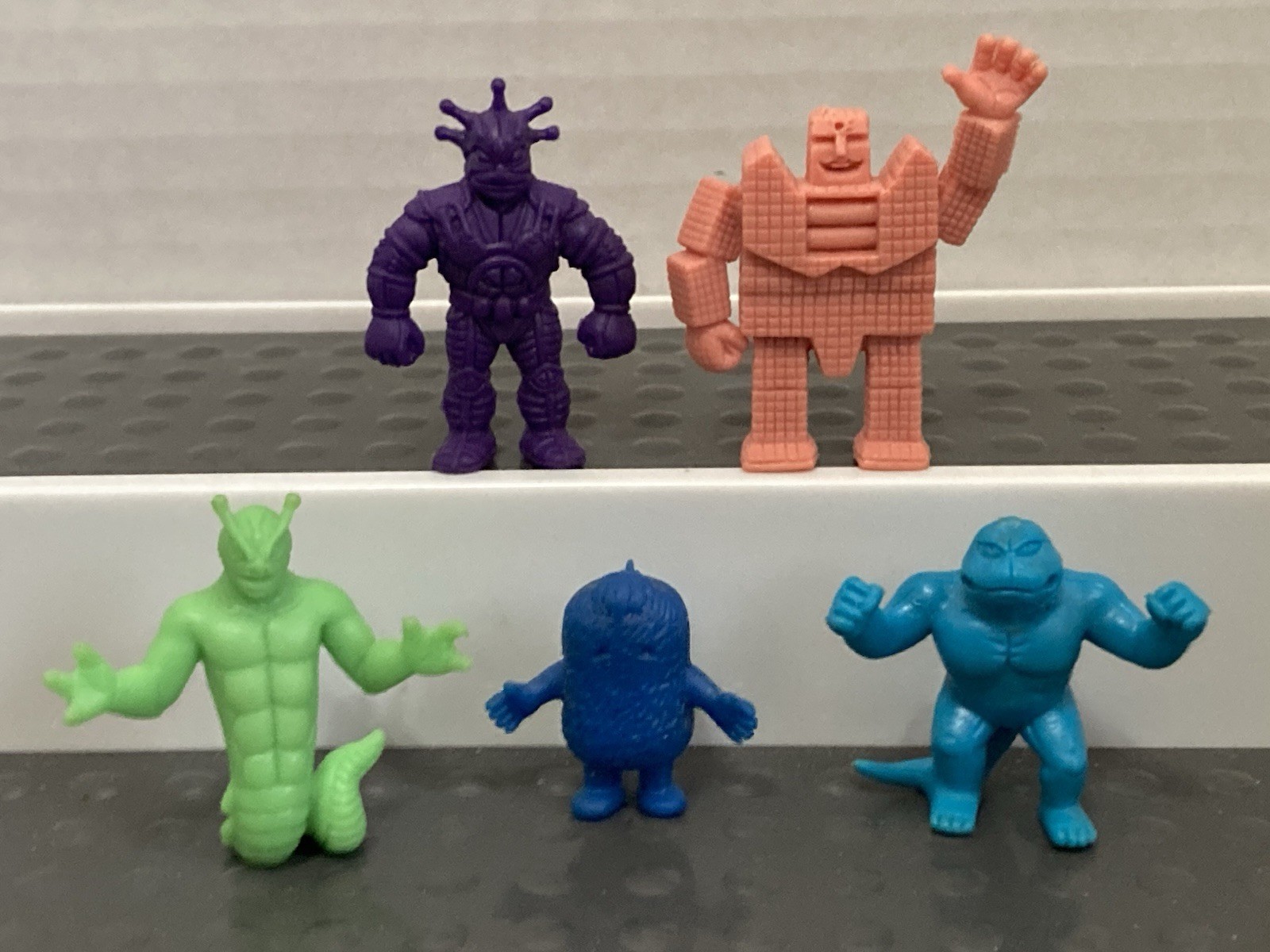


eBay links are affiliate links: JunkPal may earn a commission at no cost to you.
Resale values related to toy production sample
Shop toy production sample on eBay ↗![Leonardo [Metallic] #63 (Television)](https://storage.googleapis.com/images.pricecharting.com/engq25tlanmfunih/240.jpg)
![Freddy Funko As C-3PO [Trademark] #SE (Freddy Funko)](https://storage.googleapis.com/images.pricecharting.com/qlry66j4uxzxfhwz/240.jpg)


![Hatbox Ghost [GITD] #165 (Disney)](https://storage.googleapis.com/images.pricecharting.com/w5aoolxooa2spupv/240.jpg)
![Knives Chau [NYCC] #335 (Movies)](https://storage.googleapis.com/images.pricecharting.com/55sj4ejx4jjog5zl/240.jpg)

JunkPal may earn a commission when you buy through eBay links, at no extra cost to you.
What’s worth the most
Ranked on medians of real closed eBay sales, not asking prices.