What does “toy print error” mean?
What it means
A toy print error is a deviation from the intended factory standard during the production or decoration phase. This includes misregistered colors, incorrect decal placement, typos on packaging, or unintended material variations. In the collecting niche, these are categorized as production variants. While a general reseller sees a defect, a collector recognizes it as a specific, often rare, iteration of the product. The error itself becomes the defining characteristic of the item's variant status.
What it does to price
The impact on price is entirely dependent on the error's rarity and documentation. A minor, easily missed flaw may only result in a 5-10% discount compared to a perfect copy. Conversely, a documented, rare error (e.g., a specific color bleed or a missing logo element) can elevate the item's value by 2x to 5x, especially if it is a known, limited production run mistake. For example, a common toy might sell for \$20; the same toy with a documented, rare printing error could command \$50-\$100 among specialized buyers.
How to spot it
Errors manifest visually. Check graphics against known reference photos of the standard release. Look for registration issues—where colors do not line up perfectly. Examine packaging text for spelling or numbering discrepancies. High-resolution photos of the error area are mandatory. Be wary of "reproduction errors" or "custom modifications," which are not true factory print errors. An honest mistake is a flaw that occurred on the assembly line; a fake is a deliberate alteration.
Buying smart
Paying a premium for a print error is justified only when the error is documented as a known, limited production variant. If the error is ambiguous, appears to be a simple shipping smudge, or is easily replicated by aftermarket modification, the premium is unwarranted. A fair deal requires the seller to provide clear, high-resolution evidence of the specific, recognized flaw, and the asking price must reflect established market data for that specific variant.
Selling smart
Listing must treat the error as a feature, not a fault. Do not use the term "damaged"; use "variant," "production error," or "error print." The single most valuable asset in a listing is a close-up, well-lit photograph isolating the error. This photo, paired with a concise description stating the exact nature of the flaw (e.g., "Misaligned blue stripe on left arm"), validates the item's status and allows niche buyers to pay the appropriate variant premium.
On eBay right now
Current asking prices from live listings — not sold-comp medians.
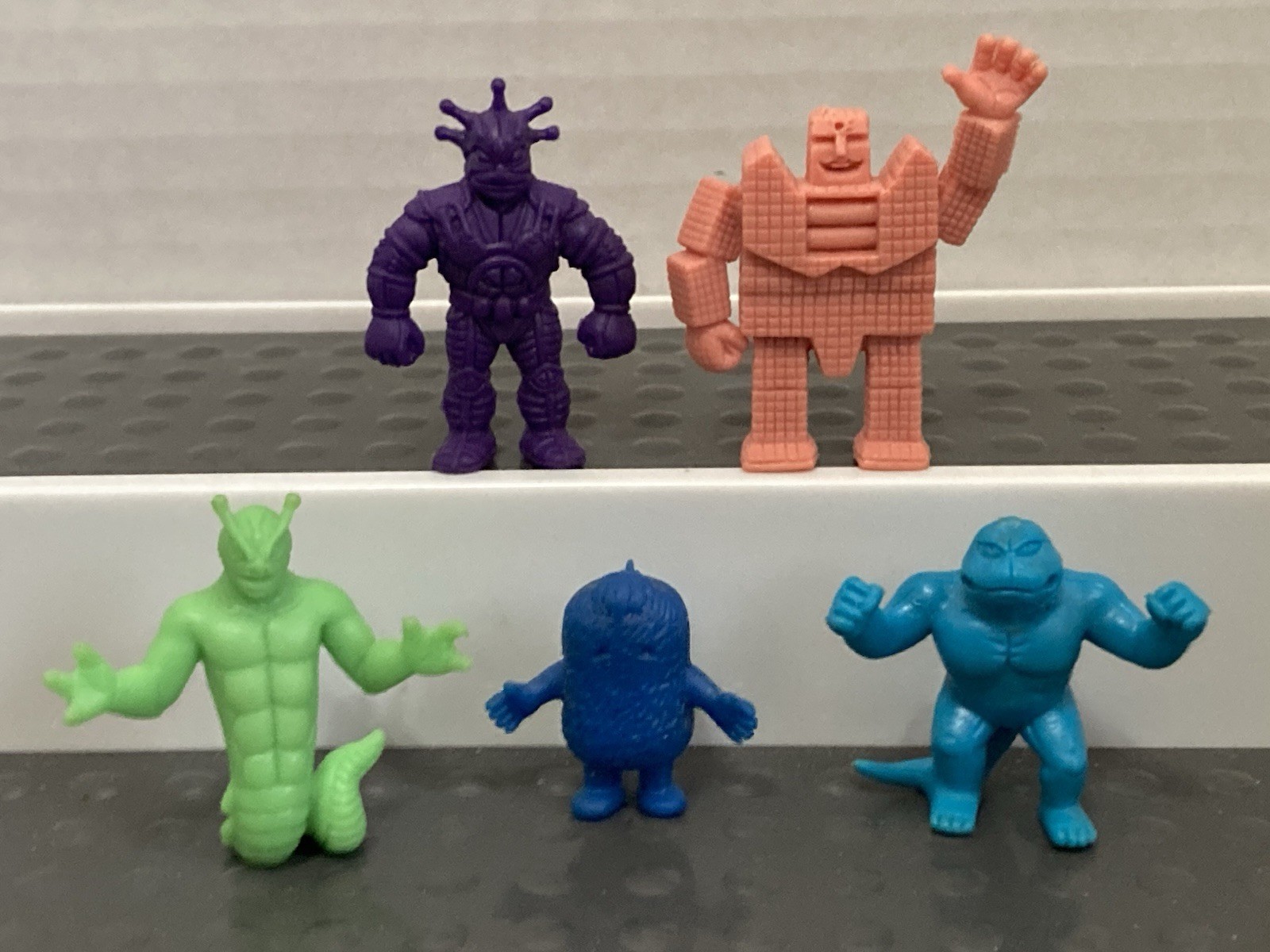


eBay links are affiliate links: JunkPal may earn a commission at no cost to you.
Resale values related to toy print error
Shop toy print error on eBay ↗![Nelson Cruz [Teal] #21 (Mlb)](https://storage.googleapis.com/images.pricecharting.com/rfjilida5vngctne/240.jpg)
![Fred & Barney [Blue Hair] [2-Pack] (Animation)](https://storage.googleapis.com/images.pricecharting.com/rygy6zomvchidare/240.jpg)

![Batman [Black And White] #621 (Heroes)](https://storage.googleapis.com/images.pricecharting.com/jnmlup4n7nvvycf4/240.jpg)


![Freddy Funko As Frodo Baggins [Immortalized] #SE (Freddy Funko)](https://storage.googleapis.com/images.pricecharting.com/kjrzj73hqad4mfye/240.jpg)
JunkPal may earn a commission when you buy through eBay links, at no extra cost to you.
What’s worth the most
Ranked on medians of real closed eBay sales, not asking prices.