What does “toy premium” mean?
What it means
Toy premium is the market surcharge applied to a toy above its standard retail or average loose market value. It is not just about condition; it is the quantifiable value derived from scarcity, desirability, and provenance. While the short definition touches on these elements, the niche focus is on *market willingness to pay*. If a toy sells for $100, but collectors consistently pay $200 for the same item under specific circumstances, the $100 difference is the premium. This is the difference between a commodity and a collectible asset.
What it does to price
The premium acts as a direct multiplier on base value. A standard, common item might trade at 1.0x base value. A toy with a strong, verified premium can easily command 3x to 10x the base value, depending on the tier of scarcity. For instance, a common action figure might sell for $15 loose. If it is confirmed as a factory error variant, the premium could push that sale price to $75–$150. Factors pushing the premium up include confirmed limited production runs (e.g., numbered variants) or association with a highly influential cultural moment. Factors pulling it down include excessive wear or unverified claims of rarity.
How to spot it
Spotting the premium requires verifying the claim against known market data. Look for specific edition markers, such as numbered stickers, unique packaging inserts, or specific mold variations that are documented in collector guides. For high-value items, request high-resolution photos of all identifying marks—especially copyright stamps, production codes, and any unique paint applications. Be wary of sellers claiming "ultra-rare" without providing verifiable proof of the production run size or documented scarcity. Common mistakes include confusing a factory repaint (a common error) with a true, intentional limited release.
Buying smart
Paying a premium is justified when the scarcity is verifiable and the item is essential to a known, high-value collection. If the premium is driven by hype rather than tangible scarcity (e.g., a character that is currently trending but has no limited release history), the premium is speculative and risky. A fair deal occurs when the premium percentage aligns with established auction results for comparable, verified items. If the asking price is 5x the established average, the buyer must be certain the item possesses a documented, non-replicable feature justifying that multiple.
Selling smart
Proving the existence of the premium is the primary goal in listing. A vague description yields a base price; documented proof unlocks the premium. The single most effective element is a clear photograph of the item’s unique identifier—the specific error stamp, the numbered card, or the unique packaging flaw. In the listing description, explicitly state *why* the item commands a premium (e.g., "Confirmed Prototype Sample," "Factory Variant #001/50"). This shifts the transaction from a simple sale to a documented asset transfer, allowing the seller to capture the collector's willingness to pay for verified rarity.
On eBay right now
Current asking prices from live listings — not sold-comp medians.
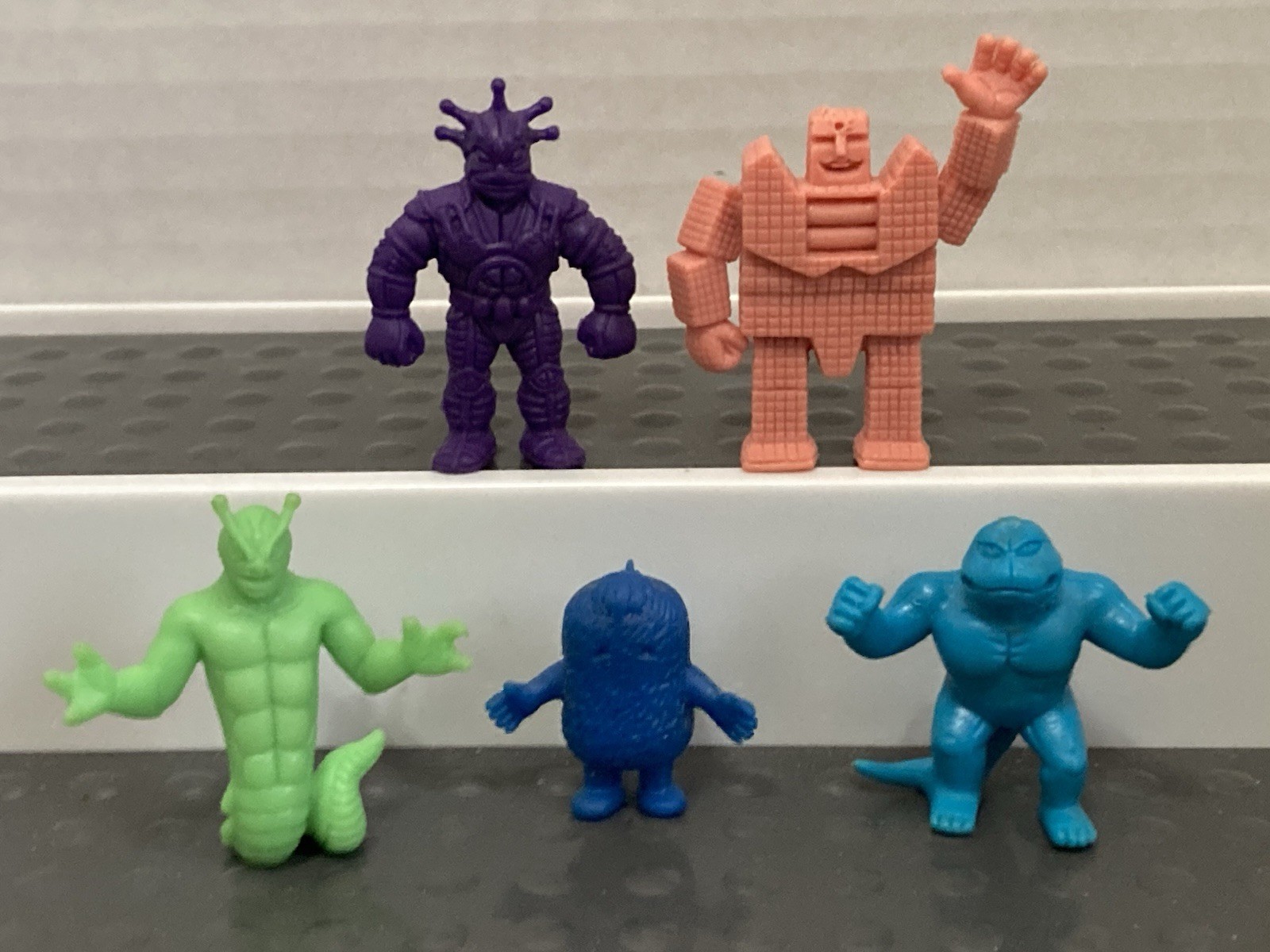


eBay links are affiliate links: JunkPal may earn a commission at no cost to you.
Resale values related to toy premium
Shop toy premium on eBay ↗![Charizard [Metallic] #843 (Games)](https://storage.googleapis.com/images.pricecharting.com/iqzkm72uainftjs5/240.jpg)
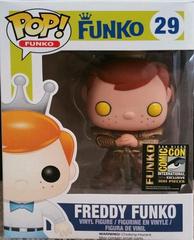

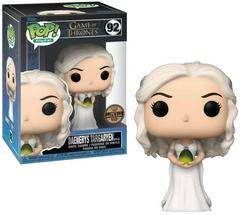

![Spider-Man [GITD] #15 (Marvel)](https://storage.googleapis.com/images.pricecharting.com/sc5zkiw7degrwy2x/240.jpg)
![Freddy Funko [Yoda] #SE (Freddy Funko)](https://storage.googleapis.com/images.pricecharting.com/n6mh2ox3t6yqc5wh/240.jpg)
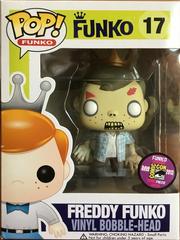
JunkPal may earn a commission when you buy through eBay links, at no extra cost to you.
What’s worth the most
Ranked on medians of real closed eBay sales, not asking prices.