What does “toy packaging detail” mean?
What it means
Toy packaging detail is the assessment of the original container and accessories accompanying a toy. This includes the box structure, card backing, plastic blister bubble integrity, instruction manuals, and any included inserts. The term covers the physical state of the packaging, not just its presence. For collectors, the condition of the packaging often dictates the item's market tier. Mainstream equivalent: "Mint condition" or "Complete in Box (CIB)." Loose items lack this detail; MOC (Mint on Card) or BAF (Boxed and Fully Assembled) items possess it.
What it does to price
Packaging condition creates significant price stratification. A toy in factory-sealed, pristine packaging (e.g., sealed in a shrink-wrap bubble) can fetch 2x to 5x the price of the same toy loose, depending on rarity. Minor shelf wear, such as light corner dings on a box, might reduce value by 10-20%. Conversely, significant damage—major creases, tears across the main artwork, or a cracked blister bubble—can drop the value by 40% or more. For example, a common 1980s action figure might sell loose for \$15; the same figure in a near-perfect, unopened box could command \$45 to \$60.
How to spot it
Inspect the box structure for warping, crushing, or signs of moisture damage. Check the plastic blister bubble for stress fractures, pinholes, or yellowing. Manuals and inserts must be present, complete, and free of writing or heavy creasing. Look for security seals or factory stickers; their presence or absence is a key detail. Common issues include "box corners crushed" (a common shipping damage) or "missing inner tray" (an incomplete set). Sellers should provide high-resolution photos of all seams and corners, not just the front face.
Buying smart
Paying a premium for packaging detail is justified when the toy is rare, highly sought after, or part of a specific, desirable vintage line. If the toy is common or recent, the premium often does not outweigh the cost of the packaging itself. A fair deal for a highly desirable, sealed vintage item requires the packaging to be near-perfect—no major rips, no yellowing, and the seal intact. If the box has visible, significant damage, the price should reflect that damage, typically settling into the 1.2x to 1.5x multiplier range, not the full premium.
Selling smart
Documenting packaging detail accurately is crucial for maximizing sales price. A listing must specify the exact condition: "Mint on Card (MOC)," "Boxed, Minor Corner Wear," or "Loose, Complete." The single most valuable asset in a listing is a clear, well-lit photograph of the *entire* packaging, showing all four sides of the box and the back of the card. If there is damage, a close-up photo of that damage is non-negotiable; hiding flaws results in buyer disputes and lost sales.
On eBay right now
Current asking prices from live listings — not sold-comp medians.
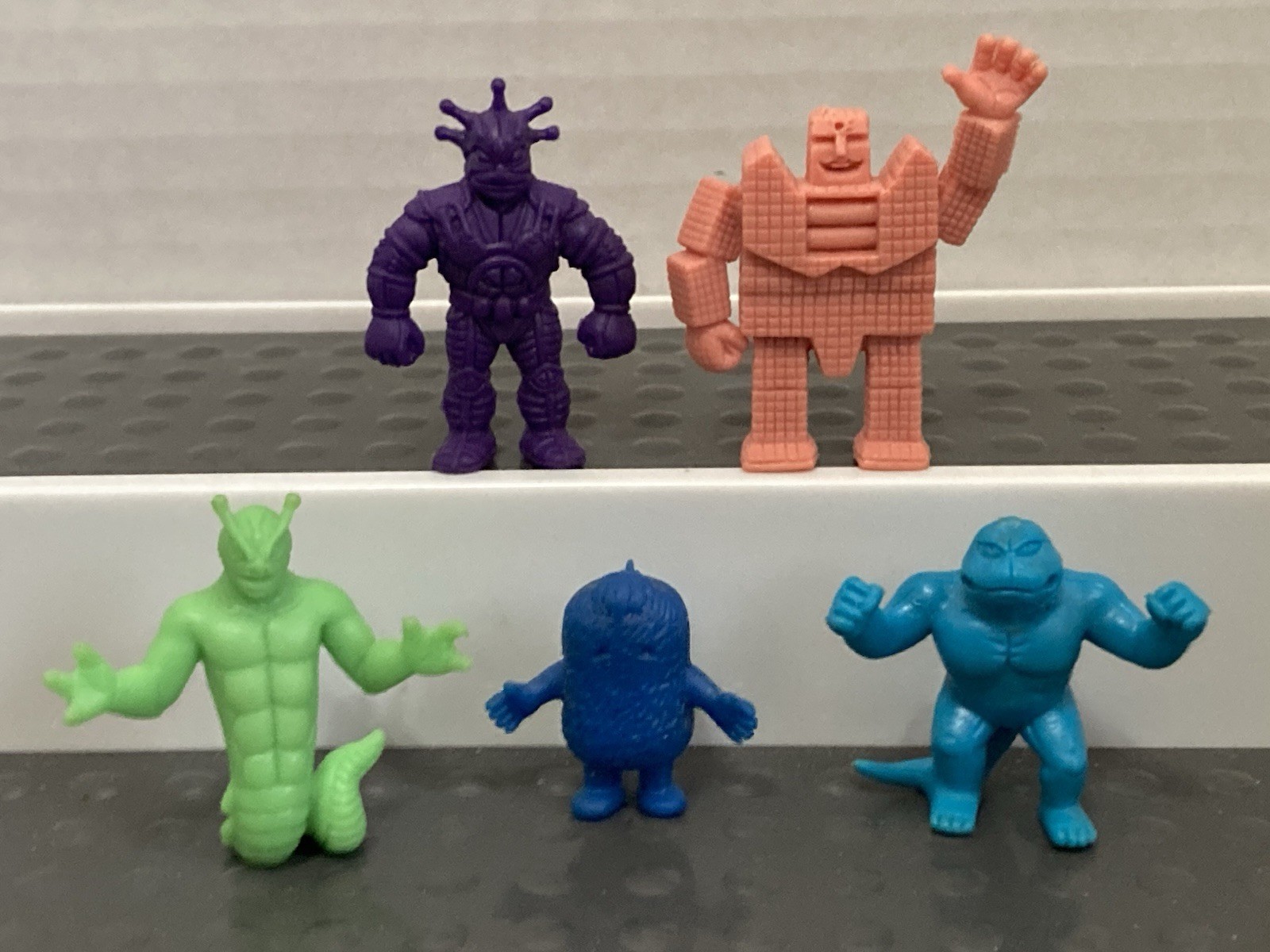


eBay links are affiliate links: JunkPal may earn a commission at no cost to you.
Resale values related to toy packaging detail
Shop toy packaging detail on eBay ↗![Hatbox Ghost [GITD] #165 (Disney)](https://storage.googleapis.com/images.pricecharting.com/w5aoolxooa2spupv/240.jpg)
![Knives Chau [NYCC] #335 (Movies)](https://storage.googleapis.com/images.pricecharting.com/55sj4ejx4jjog5zl/240.jpg)


JunkPal may earn a commission when you buy through eBay links, at no extra cost to you.
What’s worth the most
Ranked on medians of real closed eBay sales, not asking prices.