What does “toy nostalgia” mean?
What it means
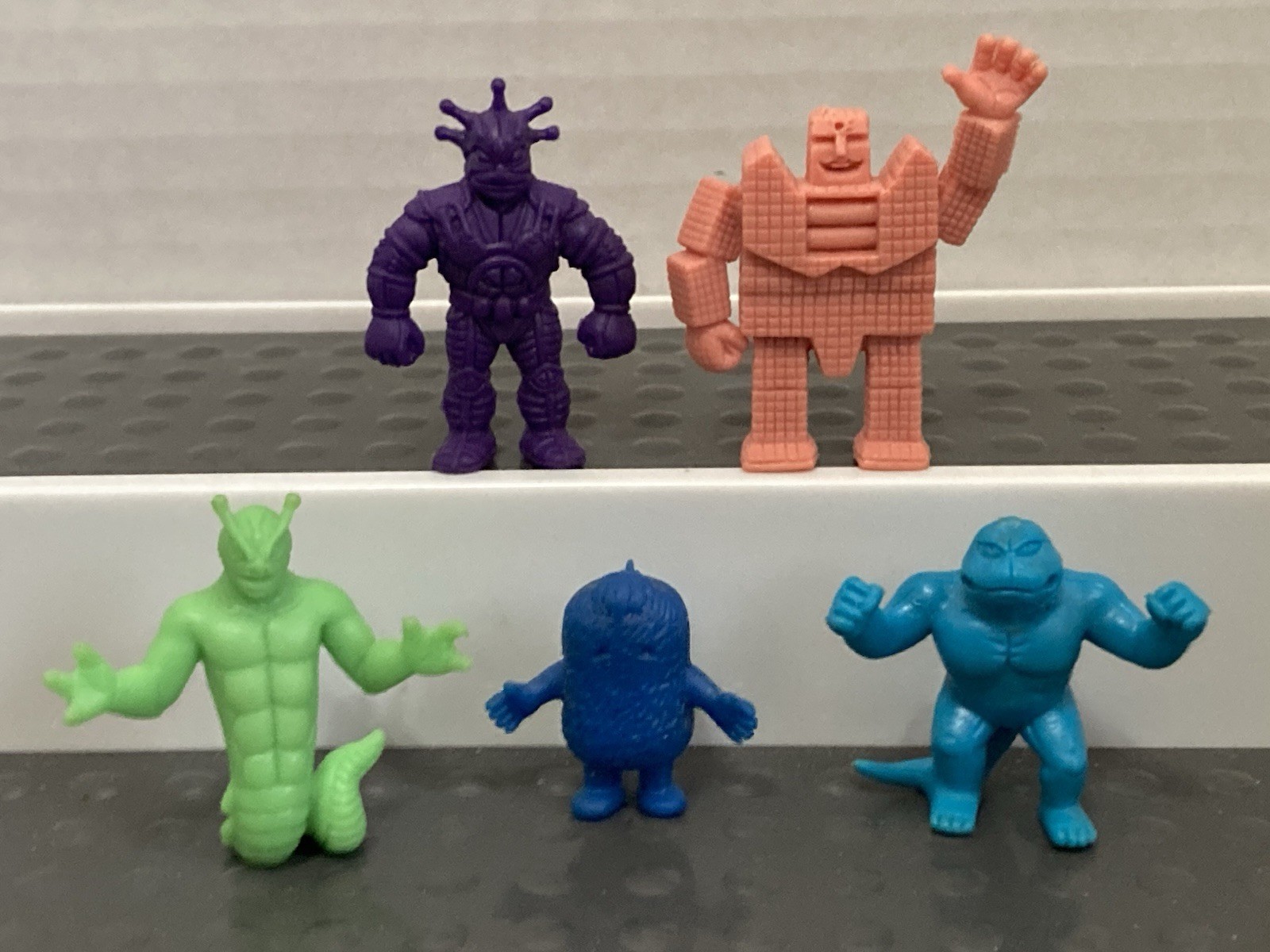
Toy nostalgia is the market premium applied to items based on their ability to trigger strong, positive memories of a specific past era. It is not merely sentimentality; it is a quantifiable driver of demand in the secondary market. This niche jargon refers to the psychological pull of "retro appeal." The mainstream equivalent is "vintage appeal," but nostalgia specifically targets the *personal* memory association, often tied to cultural touchstones (e.g., a specific cartoon or video game era). For collectors, this means the item is valued less for its material composition and more for its cultural resonance.
What it does to price
High nostalgia acts as a significant, non-linear multiplier on baseline value. A standard, loose, average-condition item might sell for $50. If that item is strongly tied to a peak nostalgia period (e.g., a 1990s action figure), a CIB (Complete In Box) copy can easily fetch 3x to 6x the baseline price, reaching $150 to $300 or more. Factors pushing the price up include rarity within that nostalgic subset and clear connection to a globally recognized cultural moment. Factors pushing it down include excessive wear that obscures the original design or if the item is too generic to evoke a specific, powerful memory.
How to spot it
The tells are rarely physical defects; they are contextual. Spotting high nostalgia requires identifying the specific cultural anchor. Does the toy relate to a specific, highly popular media franchise from a defined 5-10 year window? Check packaging artwork for specific, time-sensitive branding or character designs. If the toy is from a highly popular, short-lived fad, the nostalgia factor is amplified. Be wary of "re-releases" marketed as originals; these often lack the specific manufacturing flaws or packaging inconsistencies of the true vintage era, which can deflate the nostalgic premium.
Buying smart
Paying a premium for nostalgia is justifiable when the item is a true artifact of a significant cultural moment, and the condition is high enough to preserve the memory. If an item is highly desirable but in poor, damaged condition, the premium collapses, and the price should reflect repair costs. A fair deal involves the price being significantly above the material replacement cost but justifiable relative to known high-end sales for that specific cultural touchstone. If the item is generic or only mildly recognizable, the premium is likely inflated speculation.
Selling smart
Listing must explicitly invoke the memory. Do not just list "Action Figure." List "Original 1987 He-Man Figure – Peak 80s Nostalgia." The one word that earns the premium is "Authentic" or "Original Release." Highlighting the specific era or cultural tie-in in the title and description allows the buyer to self-select as a nostalgic purchaser, justifying a higher asking price that standard condition grading alone would not support.
On eBay right now
Current asking prices from live listings — not sold-comp medians.


eBay links are affiliate links: JunkPal may earn a commission at no cost to you.
Resale values related to toy nostalgia
Shop toy nostalgia on eBay ↗![LT. Simon Ghost Riley [EB Exclusive] #70 (Games)](https://storage.googleapis.com/images.pricecharting.com/za6msyrh44qv6nlr/240.jpg)


![Beast [Flocked] #21 (Marvel)](https://storage.googleapis.com/images.pricecharting.com/yvoycgcknzf2xrfu/240.jpg)
![Freddy Funko [Black And White] #SE (Freddy Funko)](https://storage.googleapis.com/images.pricecharting.com/wtgvc2ynuopcvuy6/240.jpg)
![Martian Manhunter [Metallic] #18 (Heroes)](https://storage.googleapis.com/images.pricecharting.com/obmgxln52wkhzrkb/240.jpg)

JunkPal may earn a commission when you buy through eBay links, at no extra cost to you.
What’s worth the most
Ranked on medians of real closed eBay sales, not asking prices.