What does “toy mold shot” mean?
What it means
A toy mold shot is a photograph of the original tooling used to cast a toy. This tooling is the master piece of metal or plastic from which the final toy is manufactured. It is not the toy itself, but the manufacturing apparatus. For collectors, this is a direct artifact of the production process. It confirms the specific tooling used for a run of toys. This differs from a simple product photo, which shows the finished item. Mold shots reveal the tooling marks, seam lines, and internal structure of the original production piece.
What it does to price
Mold shots act as a high-level authentication tool. They do not inherently raise the price of the *toy* itself, but they drastically reduce the risk premium associated with buying an unverified, high-value item. A piece with verifiable mold shots from a known, reputable source can see a price increase of 10-25% over a comparable piece where provenance is unconfirmed. Conversely, a piece claimed to be original but lacking mold evidence, especially if it is a known reproduction mold, can see a 50%+ price drop. For example, an unverified vintage action figure might sell for $150; the same figure with confirmed, high-resolution mold shots from the original factory tooling could command $180–$200.
How to spot it
The tell is the difference between a photo of the finished toy and a photo of the metal cavity or injection-molded plastic block. Sellers should provide photos of the actual mold cavity, often showing wear patterns or casting lines. Look for specific tooling marks—small, consistent imperfections left by the cutting or molding process. Common mistakes involve sellers providing photos of the *tooling plate* rather than the *actual mold cavity*. Fakes often use generic, low-resolution photos of the toy itself, not the tooling. A genuine mold shot will show the complex negative space of the design.
Buying smart
Paying a premium for mold shots is worthwhile when the toy is extremely rare, highly sought after, or has a high potential resale value (e.g., $500+). If the toy is a common, low-value item, the time and effort to verify mold shots do not justify the cost. A fair deal involves the seller providing clear, high-resolution images of the mold tooling upon request for any item valued over $100. If the seller refuses to provide mold evidence for a high-value piece, the risk level is too high for a confident purchase.
Selling smart
Including mold shots in a listing transforms the item from a "vintage toy" into an "authenticated piece of manufacturing history." This shifts the buyer's focus from speculation to verification. The single most effective element is a clear, labeled photo of the mold itself, accompanied by the caption: "Original Factory Tooling Evidence Provided." This allows the seller to command a premium above the standard market rate for unverified collectibles, often securing a 15-30% uplift in final sale price because the buyer's due diligence is already completed.
On eBay right now
Current asking prices from live listings — not sold-comp medians.
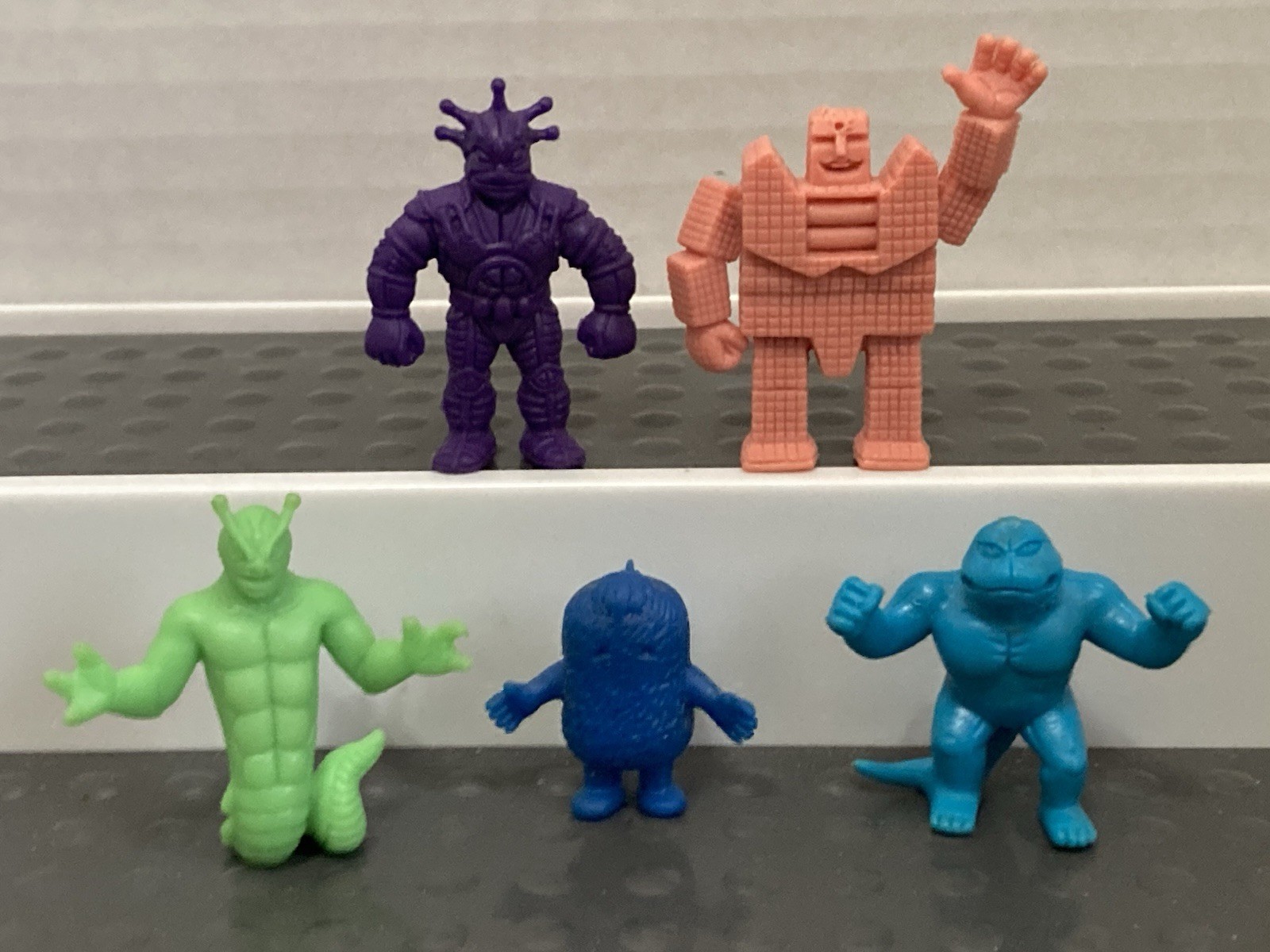


eBay links are affiliate links: JunkPal may earn a commission at no cost to you.
Resale values related to toy mold shot
Shop toy mold shot on eBay ↗
![Freddy Funko As Optimus Prime [Blacklight] #SE (Freddy Funko)](https://storage.googleapis.com/images.pricecharting.com/hebs5on3xftczlso/240.jpg)
![Luffy With Thousand Sunny [CCXP22] #114 (Rides)](https://storage.googleapis.com/images.pricecharting.com/guw55tfqc4sv63om/240.jpg)


JunkPal may earn a commission when you buy through eBay links, at no extra cost to you.
What’s worth the most
Ranked on medians of real closed eBay sales, not asking prices.