What does “toy mold” mean?
What it means
A toy mold is the original, hardened tool used in injection molding or casting to shape plastic or other materials for mass-produced toys. This is not a toy. It is industrial equipment. For collectors, the mold's value derives entirely from its association with a specific, desirable toy line. It functions as a piece of manufacturing history. While the mainstream equivalent is "production tooling," in the collecting niche, it is valued as a piece of design provenance. Its significance is not aesthetic play value, but historical production authenticity.
What it does to price
The presence of an authenticated mold acts as a significant multiplier. A mold associated with a highly sought-after, limited-run toy can command prices 5x to 20x higher than the loose toy it produced. Condition is critical: a pristine, un-used mold fetches the highest premium. Heavily worn molds are valued lower, often 30-50% less than mint condition. For example, a mold for a rare 1980s action figure, if authenticated and in excellent shape, might sell for $4,000, whereas a comparable, heavily used mold might sell for $2,500. Provenance documentation directly dictates the upper limit of this multiplier.
How to spot it
Molds are heavy, complex pieces of metal, often featuring intricate cavities and ejector pins. They are rarely sold as complete, ready-to-use units unless they are master molds. Sellers should provide high-resolution photos of the mold's core and cavity faces. Look for wear patterns: sharp edges indicate recent use; dulling or pitting indicates heavy production runs. Common mistakes include sellers confusing a *tooling sample* (a test shot) with the *master mold*. Fakes often lack the specific, microscopic tooling marks unique to the original manufacturer's process.
Buying smart
Paying a premium for a mold is justifiable only when the associated toy line has proven, deep collector demand and the mold's provenance is ironclad. If the mold is for a common, mass-market toy, the premium is not worth the investment. A fair deal involves a price that reflects the *difficulty* of authentication, not just the toy's popularity. If the seller provides no documentation linking the mold to the specific toy line, the price should be discounted by at least 40% to account for the risk of misidentification.
Selling smart
Listing a mold requires immediate, unambiguous documentation. The single most valuable asset is a clear, dated photograph showing the mold alongside original packaging, factory stamps, or official documentation. Using the term "Authenticated Production Tooling" in the title immediately signals a high-tier item. Buyers pay a premium not for the metal, but for the verifiable link it provides to the toy's history. A simple mention of "Factory Provenance Included" can elevate the asking price by 25-40% over a listing that only describes the object itself.
On eBay right now
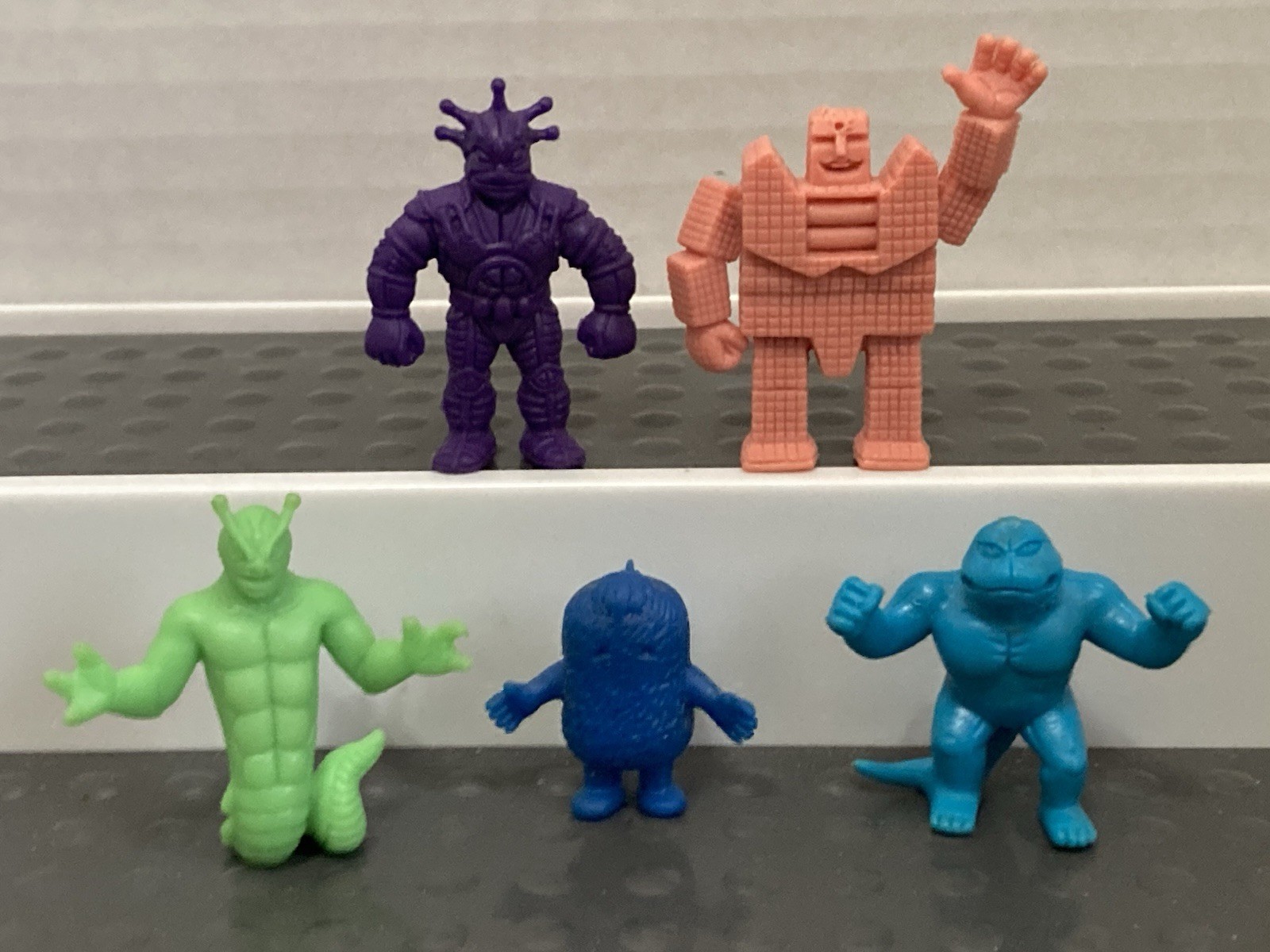
Current asking prices from live listings — not sold-comp medians.


eBay links are affiliate links: JunkPal may earn a commission at no cost to you.
Resale values related to toy mold
Shop toy mold on eBay ↗

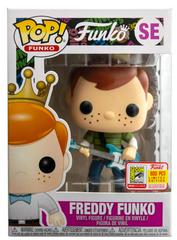
![Freddy Funko As Frodo Baggins [Immortalized] #SE (Freddy Funko)](https://storage.googleapis.com/images.pricecharting.com/kjrzj73hqad4mfye/240.jpg)

![Freddy Funko Superman [Metallic] #6 (Freddy Funko)](https://storage.googleapis.com/images.pricecharting.com/iabol3yvwsoqiqnt/240.jpg)
![Freddy Flux [Fisson Winking] #SE (Freddy Funko)](https://storage.googleapis.com/images.pricecharting.com/qz6ltpvibhnsflv4/240.jpg)
JunkPal may earn a commission when you buy through eBay links, at no extra cost to you.
What’s worth the most
Ranked on medians of real closed eBay sales, not asking prices.