What does “toy memorabilia” mean?
What it means
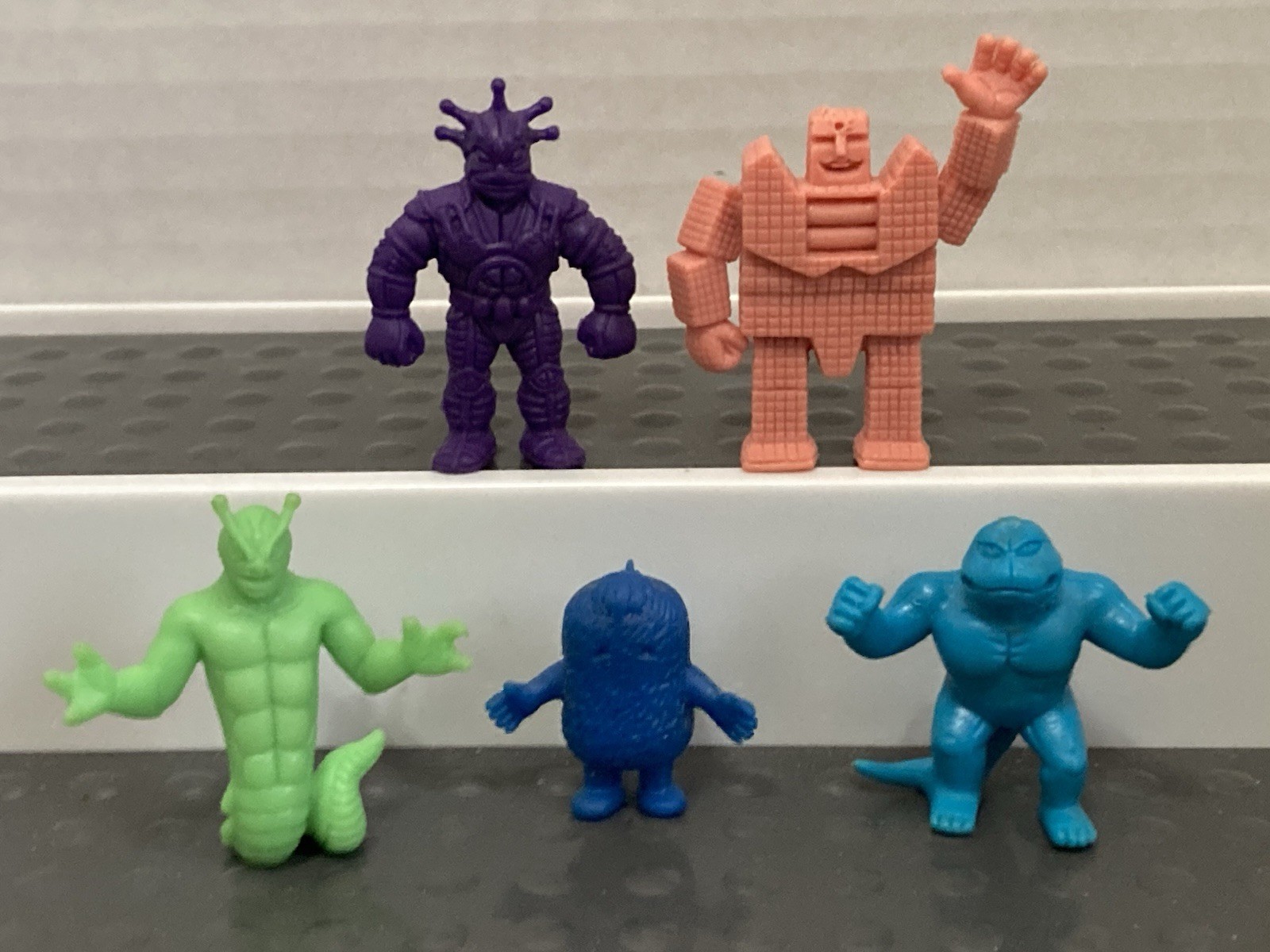
Toy memorabilia is any item tied to the production, marketing, or consumption of toys. This category extends beyond just the toys themselves. It includes original product packaging (boxes, blister cards), promotional items (ad cards, convention giveaways), character figures (action figures, dolls), and associated media components (comics, vintage advertisements). While "toy memorabilia" is a broad umbrella term, collectors usually segment this into specific subcategories like "vintage playsets," "carded figures," or "toy ephemera." The core value driver is scarcity and connection to the original product line.
What it does to price
Condition is the primary pricing determinant. A complete-in-box (CIB) item typically commands a 1.5x to 4x premium over the same item loose or damaged. Packaging integrity is critical; minor shelf wear is acceptable, but crushing, water damage, or missing inserts drastically reduces value. For example, a rare, mint-condition vintage action figure in its original blister card might sell for $150, whereas the same figure loose might fetch $50-$75. Provenance—documented history of ownership—can add an additional 20-50% premium if the item is tied to a specific event or creator.
How to spot it
Authenticity checks focus on manufacturing details. For figures, examine mold lines, paint application consistency, and material texture against known references. Packaging requires checking print quality; faded ink, misaligned logos, or incorrect UPC/barcodes are immediate red flags. Common pitfalls include "re-carding" (putting a loose figure into an old, unrelated box) or counterfeit reproductions, often identifiable by plastic sheen or overly sharp, modern printing on vintage items. Always request high-resolution photos of the back of the box and any visible copyright stamps.
Buying smart
Paying a premium is justified when the item is a cornerstone piece of a specific, well-documented collecting run, or when the item is functionally complete (e.g., a playset with all accessories). Avoid paying top dollar for "grail" items if the seller cannot provide verifiable condition reports or high-quality, multi-angle photographs. A fair deal involves a price that reflects the *condition* relative to the *rarity*. If the item is heavily played with but marketed as "mint," the price is inflated.
Selling smart
Listing descriptions must move beyond "good condition." Use precise terminology: "Near Mint," "Light Play Wear," or "DSOC" (Dead Stock, Open Case). The single most effective element for earning a premium is documented provenance. A simple statement like "Acquired from original owner, 1985 convention attendee" or including dated photos of the item in its original context shifts the item from a commodity to a documented piece of history, attracting higher-tier collectors.
On eBay right now
Current asking prices from live listings — not sold-comp medians.


eBay links are affiliate links: JunkPal may earn a commission at no cost to you.
Resale values related to toy memorabilia
Shop toy memorabilia on eBay ↗![Baby Milo [BAIT] #17 (Bape)](https://storage.googleapis.com/images.pricecharting.com/2s5zd42g7zejrpav/240.jpg)
![Wonder Woman [Black & White] #8 (Heroes)](https://storage.googleapis.com/images.pricecharting.com/he7u2rjfr3ypuxlk/240.jpg)
![Andy Dwyer Johnny Karate [Fugitive Toys 500] #533 (Television)](https://storage.googleapis.com/images.pricecharting.com/qixotgn4okzxhafx/240.jpg)
![The Lich [Green] #303 (Television)](https://storage.googleapis.com/images.pricecharting.com/mlvd324te63dz4ph/240.jpg)
![Freddy Funko As Rocky [Metallic] #SE (Freddy Funko)](https://storage.googleapis.com/images.pricecharting.com/yilfgpin2yrqhksx/240.jpg)

![Hopper [Gold] #512 (Television)](https://storage.googleapis.com/images.pricecharting.com/m6wv6ntltzlmzo7x/240.jpg)
JunkPal may earn a commission when you buy through eBay links, at no extra cost to you.
What’s worth the most
Ranked on medians of real closed eBay sales, not asking prices.