What does “toy market value” mean?
What it means
Toy market value is the current, fluctuating price point for a specific toy when traded between collectors or resellers outside of the original retail channel. It is not the manufacturer's suggested retail price (MSRP). This value is determined by the secondary market—platforms like eBay, specialized forums, and auction houses. It is a dynamic valuation influenced by scarcity, current collector demand, and the item's physical condition. Unlike a fixed appraisal, this value shifts based on market sentiment; a toy's value can spike rapidly due to nostalgia waves or drop if a mass re-release occurs.
What it does to price
Condition is the primary driver of price multipliers. A toy in Mint in Box (MIB) condition typically commands 2x to 5x the price of the same item loose or damaged. Loose, complete figures usually trade at 1x to 2x the value of a heavily played-with example. Factors pushing value up include factory errors, limited production runs, and authenticated variations. Factors pushing value down include missing accessories or visible wear. For example, a common action figure might sell for $10 loose, but if it is documented as a rare variant colorway, the market value could jump to $50 or more.
How to spot it
Authenticity verification is key. Examine packaging for printing quality; blurry text or incorrect UPCs signal counterfeits. For figures, check molding lines and paint application consistency against known examples. Always request high-resolution photos of specific areas: the copyright stamp on the box, the paint application on the joints, and any unique serial numbers. Common mistakes include listing an item as "MIB" when the box seal is cracked, or failing to disclose minor paint rub on an otherwise pristine figure.
Buying smart
Paying a premium is justified when the item is demonstrably rare, has high cultural significance (e.g., a key piece from a defunct line), or is in near-perfect, documented condition. If the market value is estimated at $100, paying $150 for an item with known, minor flaws is poor investment. A fair deal usually sits within 10-20% of the established average secondary market listing price for that condition tier. If the price is significantly below the average, thorough due diligence is required to rule out damage or misidentification.
Selling smart
Listing quality directly influences the realized market value. Providing detailed, well-lit photographs showing all angles—especially the back of the box and any identifying marks—validates the item's condition immediately. Using precise terminology (e.g., "Near Mint," "Loose, complete with original packaging") manages buyer expectations. The single most valuable addition to a listing is documented proof of rarity or provenance, such as a photo of a production code or a reference to a confirmed collector database entry.
On eBay right now
Current asking prices from live listings — not sold-comp medians.
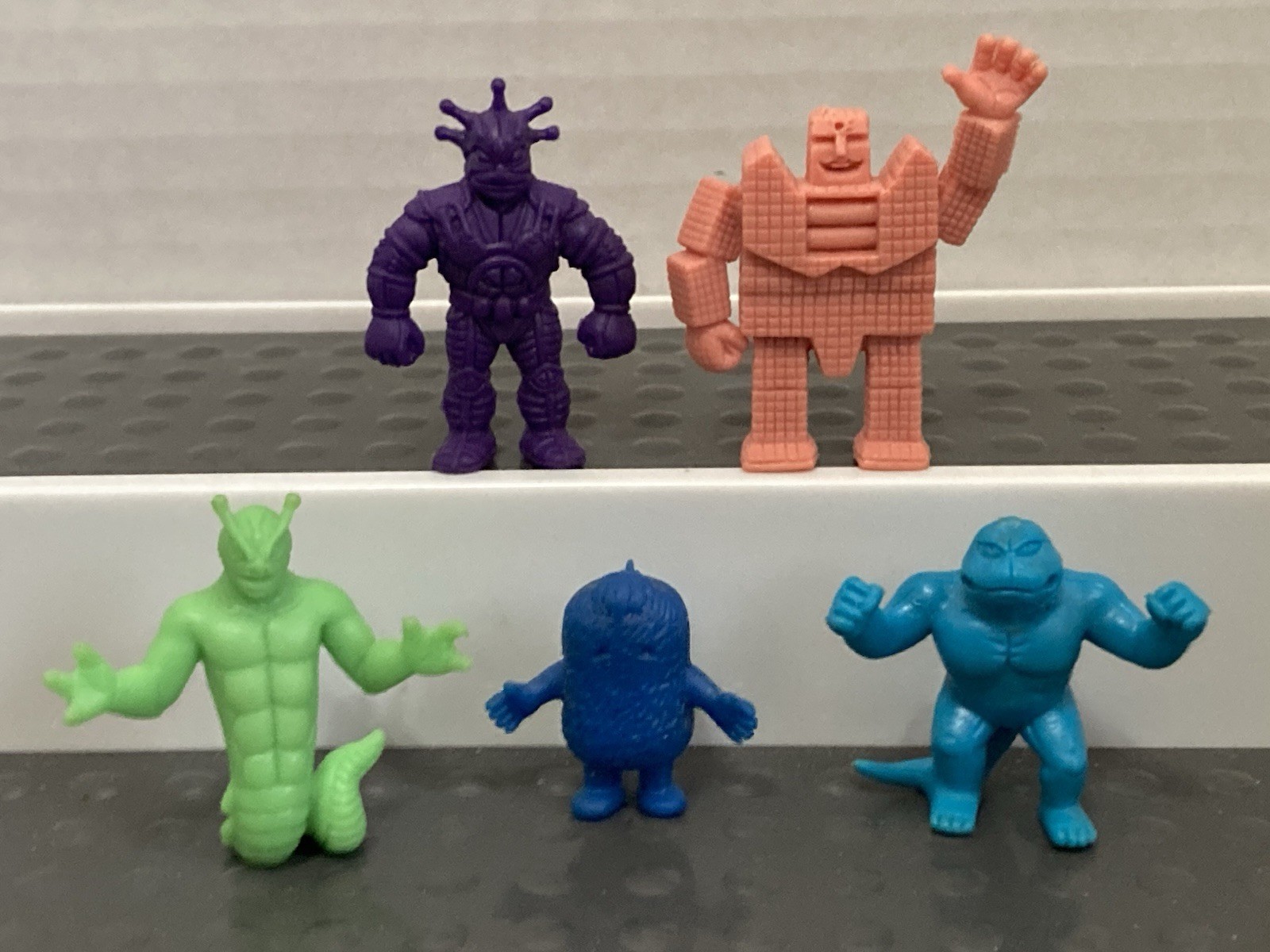


eBay links are affiliate links: JunkPal may earn a commission at no cost to you.
Resale values related to toy market value
Shop toy market value on eBay ↗![Superman [Silver] #7 (Heroes)](https://storage.googleapis.com/images.pricecharting.com/ki3lr7e57hxcy6vq/240.jpg)
![Freddy Funko As Iron Man [Diamond] #SE (Freddy Funko)](https://storage.googleapis.com/images.pricecharting.com/ojgf7ljhcz7p2ro3/240.jpg)

![Purple Haze [Metallic] #1 (Rocks)](https://storage.googleapis.com/images.pricecharting.com/vni4glpktxyx7qj3/240.jpg)
![Captain America [Black And White] #6 (Marvel)](https://storage.googleapis.com/images.pricecharting.com/xpo2ucj6yllz3sje/240.jpg)
![White Ranger [GITD] #22 (Television)](https://storage.googleapis.com/images.pricecharting.com/33giahhj65p5mb64/240.jpg)

JunkPal may earn a commission when you buy through eBay links, at no extra cost to you.
What’s worth the most
Ranked on medians of real closed eBay sales, not asking prices.