What does “toy manufacturer” mean?
What it means
A toy manufacturer is the entity that conceived, designed, and manufactured the physical toy, including the branding and intellectual property application. This is not the retailer or distributor. For collectors, the manufacturer establishes the item's origin and pedigree. Some manufacturers are synonymous with quality or historical significance (e.g., Hasbro for certain lines, vintage Marx for others). This designation is the primary marker of provenance. Unbranded items are often generic knock-offs or prototypes, lacking the recognized pedigree of a named manufacturer.
What it does to price
Manufacturer pedigree directly impacts perceived value. A toy from a historically significant or highly regarded manufacturer can command a 1.8x to 4x premium over an identical, unbranded, or lesser-known version. Specific lines produced by certain manufacturers are often limited by licensing or production runs. For example, a rare, officially licensed Star Wars figure from Kenner typically sells for significantly more than a generic, unbranded sci-fi action figure of comparable size and condition. A $20 loose generic figure might sell for $80+ if confirmed as a rare, vintage release from a recognized, high-demand manufacturer.
How to spot it
The manufacturer’s mark is typically found on the packaging (cardback, box seams, instruction manual) or molded into the toy itself, often near the copyright date or on the base of the figure. Look for specific mold markings or copyright stamps (e.g., "© [Year] [Manufacturer Name]"). Common issues include counterfeits that mimic packaging logos but use incorrect font weights or slightly off-color printing. Honest mistakes include mislabeling by distributors, which requires cross-referencing the toy's design against known production runs for that specific manufacturer.
Buying smart
Paying a premium for a known manufacturer is justified when the brand itself carries inherent scarcity or historical weight (e.g., early Mego figures, specific vintage G.I. Joe releases). This premium is not warranted for modern, mass-market toys where the manufacturer is simply a large, ubiquitous producer. A fair deal involves verifying the manufacturer against known databases for the item's era. If a high-end manufacturer is known for quality control, the price should reflect that established baseline, not just hype.
Selling smart
Clearly identifying the manufacturer elevates a listing from a generic item to a collectible piece. Specifying the exact manufacturer in the title and description allows buyers to filter by brand preference, immediately increasing visibility and perceived value. The single most effective element is a high-resolution photo of the manufacturer's logo or copyright stamp on the packaging. This documentation transforms the item from "vintage action figure" to "Vintage [Manufacturer Name] 1985 release," which is the key driver for higher collector bids.
On eBay right now
Current asking prices from live listings — not sold-comp medians.
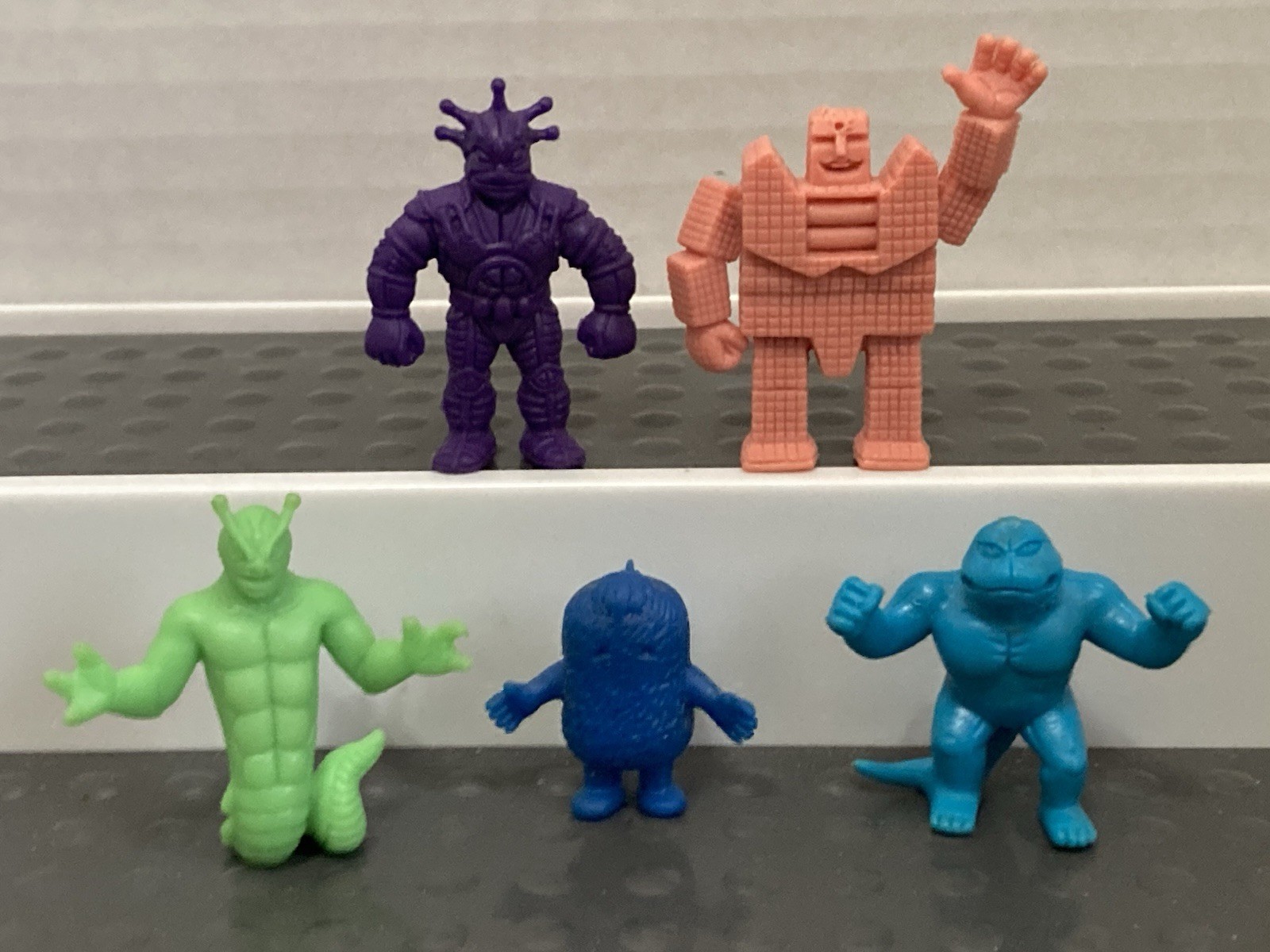


eBay links are affiliate links: JunkPal may earn a commission at no cost to you.
Resale values related to toy manufacturer
Shop toy manufacturer on eBay ↗

![Genya Shinazugawa [Demon Form] #1851 (Animation)](https://storage.googleapis.com/images.pricecharting.com/2e2asqm3eaxpf54a/240.jpg)
![Count Chocula [Metallic] #1 (Ad Icons)](https://storage.googleapis.com/images.pricecharting.com/5ikn7jxdbsheixqw/240.jpg)
![Rey Mysterio [Black Mask] #6 (Wwe)](https://storage.googleapis.com/images.pricecharting.com/rv3l34vrvdhecvrt/240.jpg)


JunkPal may earn a commission when you buy through eBay links, at no extra cost to you.
What’s worth the most
Ranked on medians of real closed eBay sales, not asking prices.