What does “toy loose condition” mean?
What it means
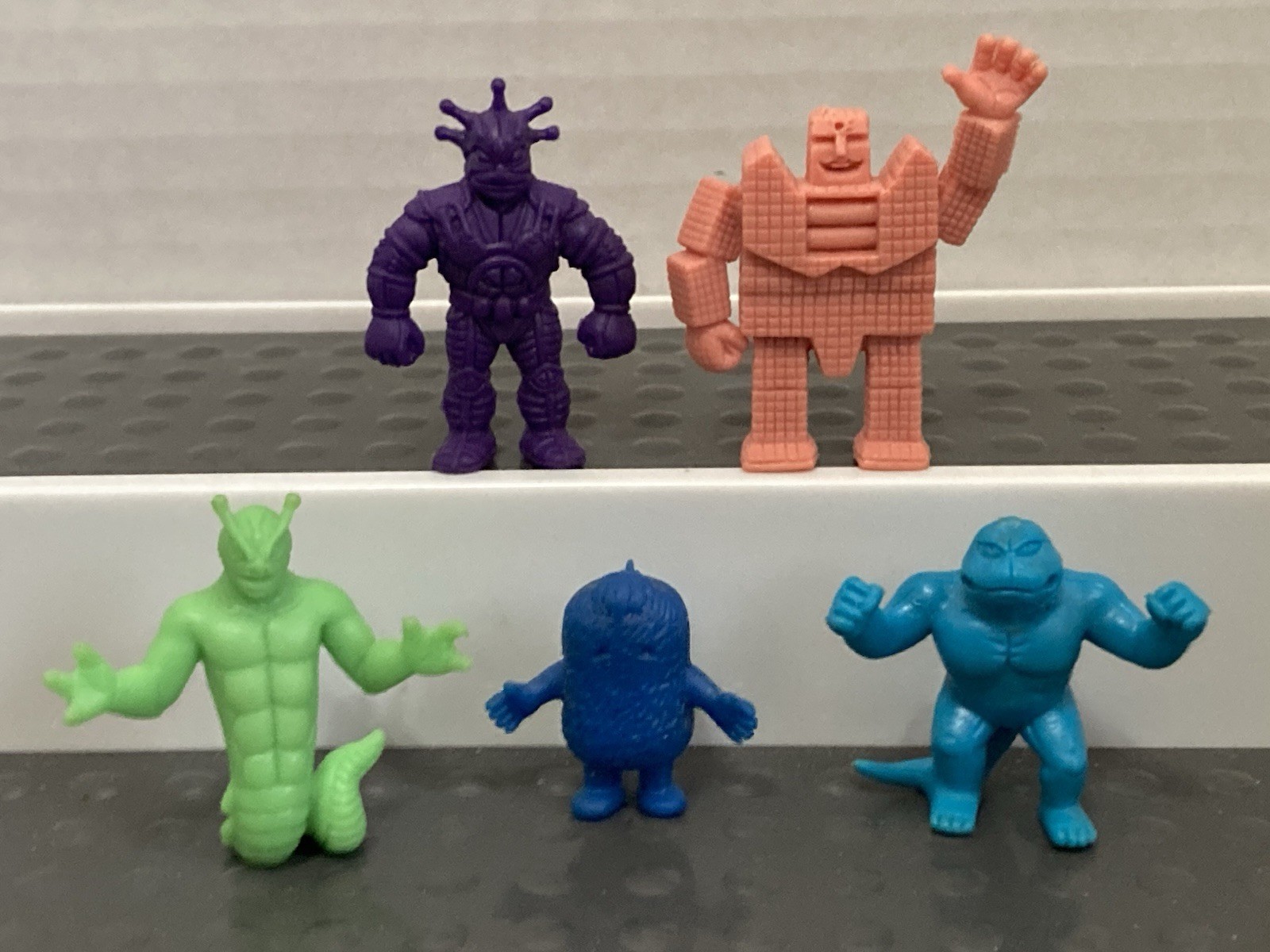
Toy loose condition means the item is available outside of its original factory packaging. This is the standard state for items sold individually, as opposed to "Mint in Box" (MIB) or "Complete in Box" (CIB). A loose item is not part of a sealed set; it is a singular piece, or a grouping of pieces, sold separately. The core distinction is the absence of the original retail packaging (cardback, blister pack, box). While the toy itself might be factory-fresh (Mint in Loose), the lack of packaging inherently changes its market categorization and value proposition compared to a sealed unit.
What it does to price
The absence of original packaging creates a significant value depreciation, typically ranging from 30% to 60% less than a comparable CIB item. A loose, mint-condition figure might fetch 0.4x to 0.7x the price of its sealed counterpart. Factors pushing the price up include extreme rarity, high demand for that specific character, or if the item is a highly sought-after variant. Factors pushing the price down include visible paint wear, missing small accessories (e.g., hands, weapons), or evidence of playwear. For example, a common, loose action figure might sell for $15, whereas the same figure sealed in its original packaging could command $30 to $45.
How to spot it
The tell is the physical absence of the original packaging materials. For figures, this means no cardback or blister bubble. For vehicles or playsets, it means the box is missing or damaged beyond usability. When examining a loose item, look closely at the plastic molding for stress marks or discoloration, which indicates handling or age. Check articulation points for signs of stress or cracking. Sellers should provide clear, high-resolution photos of the item from all angles, specifically showing the underside and joints, not just the front display shot.
Buying smart
Paying a premium for a loose item is justified only when the item is exceptionally rare, highly desirable for immediate play, or when the packaging is irretrievably damaged or missing entirely. If the item is common or easily found in sealed form, the cost difference often outweighs the benefit of the loose purchase. A fair deal for a loose item is one where the price reflects the condition of the toy *minus* the established depreciation factor for missing packaging. If the toy shows noticeable scuffs or missing parts, the price must drop proportionally further.
Selling smart
To maximize returns on a loose item, the listing must be brutally honest about its physical state. Do not imply mint condition if there is any visible wear. The single most valuable addition to a listing is a detailed, close-up photo showing any flaw—a scratch on the knee, a paint chip on the shoulder, or a missing piece—with a brief caption describing it. This transparency builds trust and prevents returns, allowing the seller to command a higher price than a listing that hides imperfections.
On eBay right now
Current asking prices from live listings — not sold-comp medians.


eBay links are affiliate links: JunkPal may earn a commission at no cost to you.
Resale values related to toy loose condition
Shop toy loose condition on eBay ↗
![Purple Haze [Metallic] #1 (Rocks)](https://storage.googleapis.com/images.pricecharting.com/vni4glpktxyx7qj3/240.jpg)
![Captain America [Black And White] #6 (Marvel)](https://storage.googleapis.com/images.pricecharting.com/xpo2ucj6yllz3sje/240.jpg)
![White Ranger [GITD] #22 (Television)](https://storage.googleapis.com/images.pricecharting.com/33giahhj65p5mb64/240.jpg)



JunkPal may earn a commission when you buy through eBay links, at no extra cost to you.
What’s worth the most
Ranked on medians of real closed eBay sales, not asking prices.