What does “toy lineage variant” mean?
What it means
A toy lineage variant is a specific, documented deviation from the standard production model within a continuous toy line. This goes beyond simple color swaps. It refers to changes in tooling, packaging configuration, accessory inclusion, or material composition that occurred during the product's manufacturing lifecycle. Mainstream equivalent: Production revision. These variants chart the product's evolution—from early prototypes to final retail releases. Identifying a lineage variant places the item chronologically within the brand's history.
What it does to price
The impact is variable but often significant. A confirmed, documented "first run" or "early tooling" variant can command a 2x to 5x premium over the standard retail version, provided the condition is comparable. A minor, unverified accessory difference might add 10-25%. Conversely, a known, late-stage production error or a widely distributed "re-tool" version often sees a slight depreciation, sometimes 10-20% below standard. For example, a known early-run plastic injection variant might fetch $150 where the standard version sells for $75.
How to spot it
Identification relies on granular detail. Check mold lines for subtle differences between early and late pieces. Examine paint applications for overspray patterns or specific color batches. Packaging tells include unique UPC codes, specific date stamps on the box, or unique card backing text. Sellers must provide high-resolution photos of the underside of the toy, the interior tray, and the specific markings on the packaging. Common mistakes include mislabeling a standard item as a variant or, conversely, mistaking a simple regional packaging change for a core toy variant.
Buying smart
Paying a premium for a lineage variant is justified when the variant is documented as a significant, early production milestone (e.g., a pre-mass-market run). If the difference is trivial—like a sticker placement shift—the premium is likely inflated and not worth the risk. A fair deal involves a price that reflects the *proven* rarity, not just the *claimed* rarity. If a seller cannot provide verifiable provenance (e.g., catalog reference or dated packaging), the premium should be discounted by at least 30%.
Selling smart
Listing a lineage variant requires precise terminology. Do not simply state "rare." Use the specific identifier (e.g., "Lineage Variant: Mold ID 4B Early Run"). This specificity filters buyers and justifies higher pricing. The single most valuable asset in a listing is a clear, close-up photograph of the distinguishing feature—be it a specific stamp, a unique paint application, or a tool mark. This photo converts a speculative listing into a verifiable collectible asset.
On eBay right now
Current asking prices from live listings — not sold-comp medians.
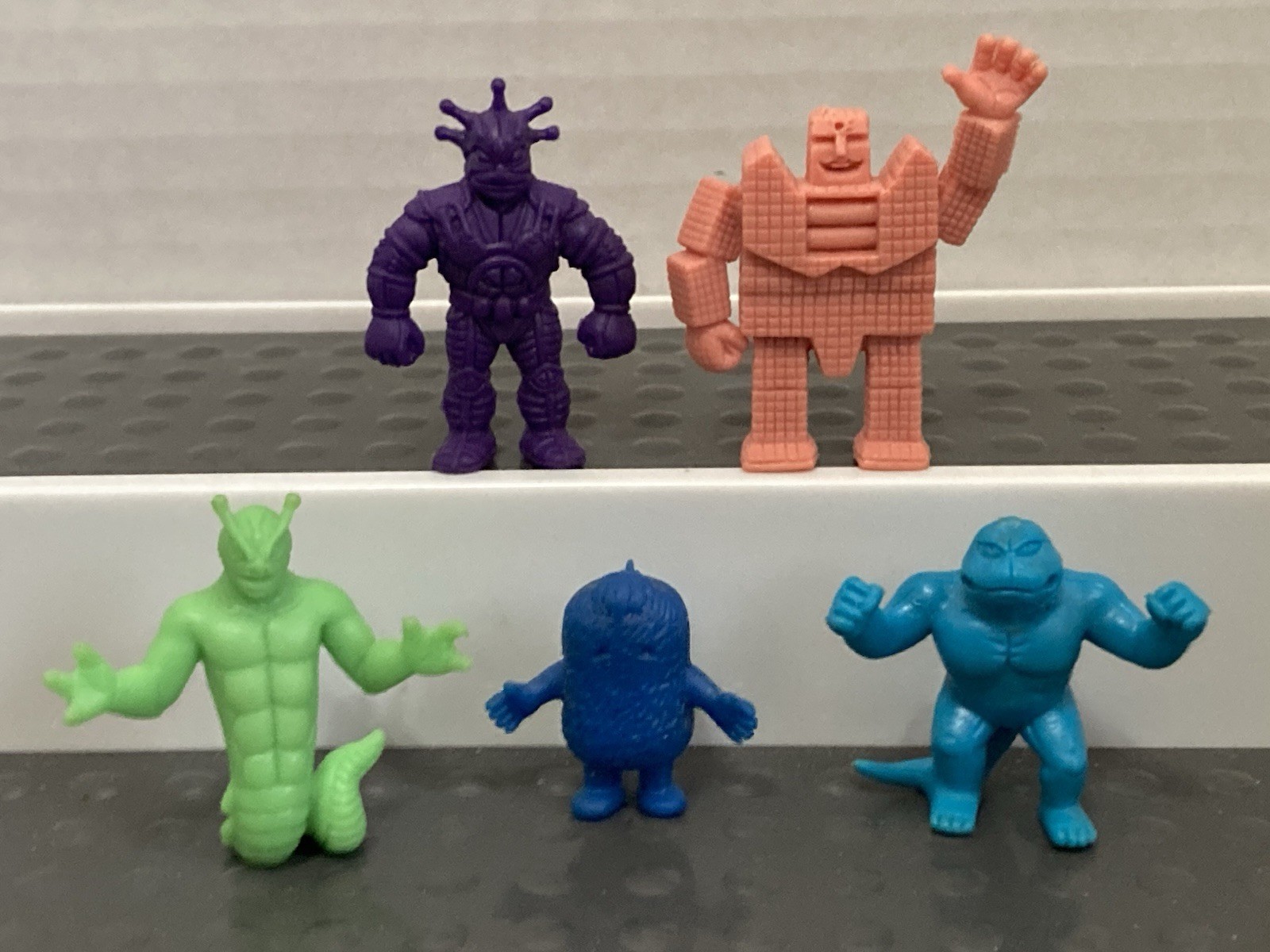


eBay links are affiliate links: JunkPal may earn a commission at no cost to you.
Resale values related to toy lineage variant
Shop toy lineage variant on eBay ↗
![Buzz Lightyear [Metallic] #2 (Disney)](https://storage.googleapis.com/images.pricecharting.com/baxcbwmmh7i2wcox/240.jpg)
![Disco Zombie [Metallic] #3 (Games)](https://storage.googleapis.com/images.pricecharting.com/dflh6idg3nnadoft/240.jpg)
![Deadpool [White GITD] #20 (Marvel)](https://storage.googleapis.com/images.pricecharting.com/ith53jbayvb46m3w/240.jpg)
![Freddy Funko Pink Hair [SDCC] #SE (Freddy Funko)](https://storage.googleapis.com/images.pricecharting.com/2ssbuzc2k7p3uovu/240.jpg)

![Billy [GITD SDCC] #52 (Movies)](https://storage.googleapis.com/images.pricecharting.com/fa3pxsuhvgaziukq/240.jpg)
JunkPal may earn a commission when you buy through eBay links, at no extra cost to you.
What’s worth the most
Ranked on medians of real closed eBay sales, not asking prices.