What does “toy line variation” mean?
What it means
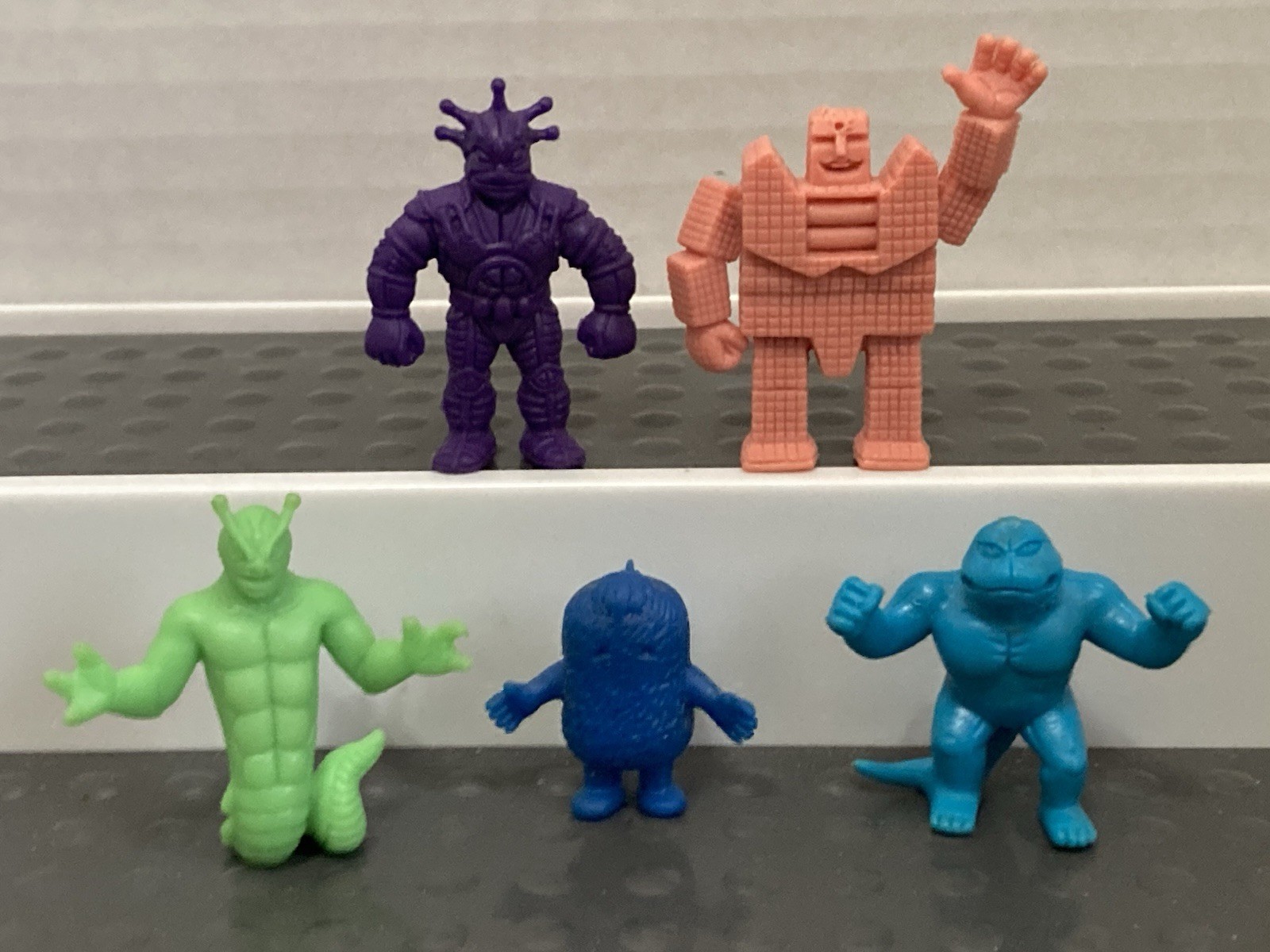
Toy line variation is the specific divergence in design, manufacturing, or presentation within a single, established toy series. This goes beyond simple color changes. It encompasses material shifts (e.g., soft plastic to hard PVC), tooling changes (minor mold alterations affecting sculpt detail), packaging revisions (new logo placement, different card backing), or accessory swaps (e.g., a figure coming with a blaster vs. a sword). For the collector market, these variations function as production markers, indicating specific manufacturing runs, regional distribution batches, or intentional limited releases. It is the technical equivalent of a SKU change within a product line.
What it does to price
Variation directly dictates market value. A confirmed, documented variation that signifies a first-run or limited release can apply a multiplier of 2x to 5x over a common, later production run of the same item. Conversely, an unlisted, common late-run variation might result in a 15-25% price reduction compared to the baseline listing. For example, if a standard figure sells for $30, a verified "early-run paint application variation" might command $60-$100, while a common, uninteresting late-run version might sell for $22.
How to spot it
Identification requires close examination of multiple points. Check for subtle tooling marks on joints or seams, which change as molds are updated. Packaging tells include specific print dates, UPC codes, or slight variations in the typeface used for the character name. For figures, compare the paint application consistency—a "factory error" or "test shot" paint job is a variation. Sellers must provide high-resolution, multi-angle photos. Common pitfalls include misidentifying a minor regional packaging difference as a rare variant, or mistaking a simple production error for a deliberate, collectible variant.
Buying smart
Paying a premium for a variation is justified only when the documented difference is verifiable and recognized by the community as a significant marker (e.g., a specific mold change or initial release packaging). If the variation is merely a minor, undocumented paint shade difference that offers no historical context, the premium is usually unwarranted. A fair deal involves a price that reflects the *verified* scarcity, not just the *claimed* rarity. If the seller cannot prove the variation, the price should align with the common version.
Selling smart
Proving the variation is the primary driver of premium pricing. Listings must explicitly name the variation (e.g., "Early Run Prototype Paint," "EU Packaging Variant"). The single most effective piece of evidence is a close-up macro photograph focusing directly on the distinguishing feature—be it a specific stamp on the box, a unique seam line, or a specific color bleed on the paint. This documentation shifts the item from a generic collectible to a specific, sought-after artifact, allowing the seller to command the higher tier of the market price.
On eBay right now
Current asking prices from live listings — not sold-comp medians.


eBay links are affiliate links: JunkPal may earn a commission at no cost to you.
Resale values related to toy line variation
Shop toy line variation on eBay ↗


![Freddy Funko As Shipwreck [GITD] #SE (Freddy Funko)](https://storage.googleapis.com/images.pricecharting.com/djflr6rhgusz3nxw/240.jpg)

![Hal Jordan [Metallic] #11 (Heroes)](https://storage.googleapis.com/images.pricecharting.com/hm4emmbdbgonp2ep/240.jpg)
![The Wolf Man [Summer Convention Flocked] #114 (Movies)](https://storage.googleapis.com/images.pricecharting.com/a3b2a7scqharvs77/240.jpg)
JunkPal may earn a commission when you buy through eBay links, at no extra cost to you.
What’s worth the most
Ranked on medians of real closed eBay sales, not asking prices.