What does “toy line variant chase” mean?
What it means
A toy line variant chase is a specific, intentionally limited iteration within a broader toy product line. It is not just a minor production error; it is a designated, rarer version. The term "chase" signifies that the manufacturer produced these variants in significantly lower quantities than the standard release, often as a deliberate marketing tactic. Mainstream equivalent: A limited edition or rare pull. These variants differ from the standard release through subtle but identifiable changes—paint variations, accessory swaps, unique packaging inserts, or slight mold alterations. Collectors track these differences because scarcity drives demand.
What it does to price
The presence of a confirmed chase variant designation typically applies a multiplier of 1.5x to 5x over the standard retail price, depending on the rarity level. Minor paint variations might yield a 1.2x to 1.5x premium. True, highly sought-after chase variants can command 3x to 5x or more, especially if they are tied to a specific promotional window or character debut. A standard loose figure might sell for \$10; a confirmed, highly desirable chase variant of that same figure, loose, could realistically fetch \$25 to \$50. Factors that depress value include poor condition or ambiguous identification.
How to spot it
Identification requires close inspection of production details. Sellers must provide high-resolution photos of key areas. Look for specific markings on the cardback, unique SKU numbers, or distinct paint application patterns that deviate from known standard releases. For mold changes, comparison photos against verified standard versions are necessary. Common pitfalls include misidentification—a common factory error mistaken for a deliberate chase variant. Always ask for photos of the figure's underside or the specific packaging seal/sticker, as these often contain the definitive variant codes.
Buying smart
Paying a premium for a chase variant is justified when the variant is officially documented, widely recognized within the collecting community, and the item is in near-mint condition. If the variant is only suspected or relies on vague description, the premium is speculative risk. A fair deal involves the asking price being within 20% of established secondary market averages for confirmed chase items. If the seller cannot provide clear, verifiable evidence of the variant status, the item should be treated as standard stock pricing.
Selling smart
Listing the item as a "Chase Variant" or "Rare Variant" immediately elevates the perceived value. The single most effective element in a listing is a close-up photograph clearly showing the distinguishing feature—be it a unique color swatch, a specific decal placement, or a variant stamp on the blister card. Using precise terminology (e.g., "Chase Variant - Blue Eyes," not just "Rare") communicates expertise and justifies the higher price point. This documentation shifts the item from a generic toy to a collectible piece of production history.
On eBay right now
Current asking prices from live listings — not sold-comp medians.
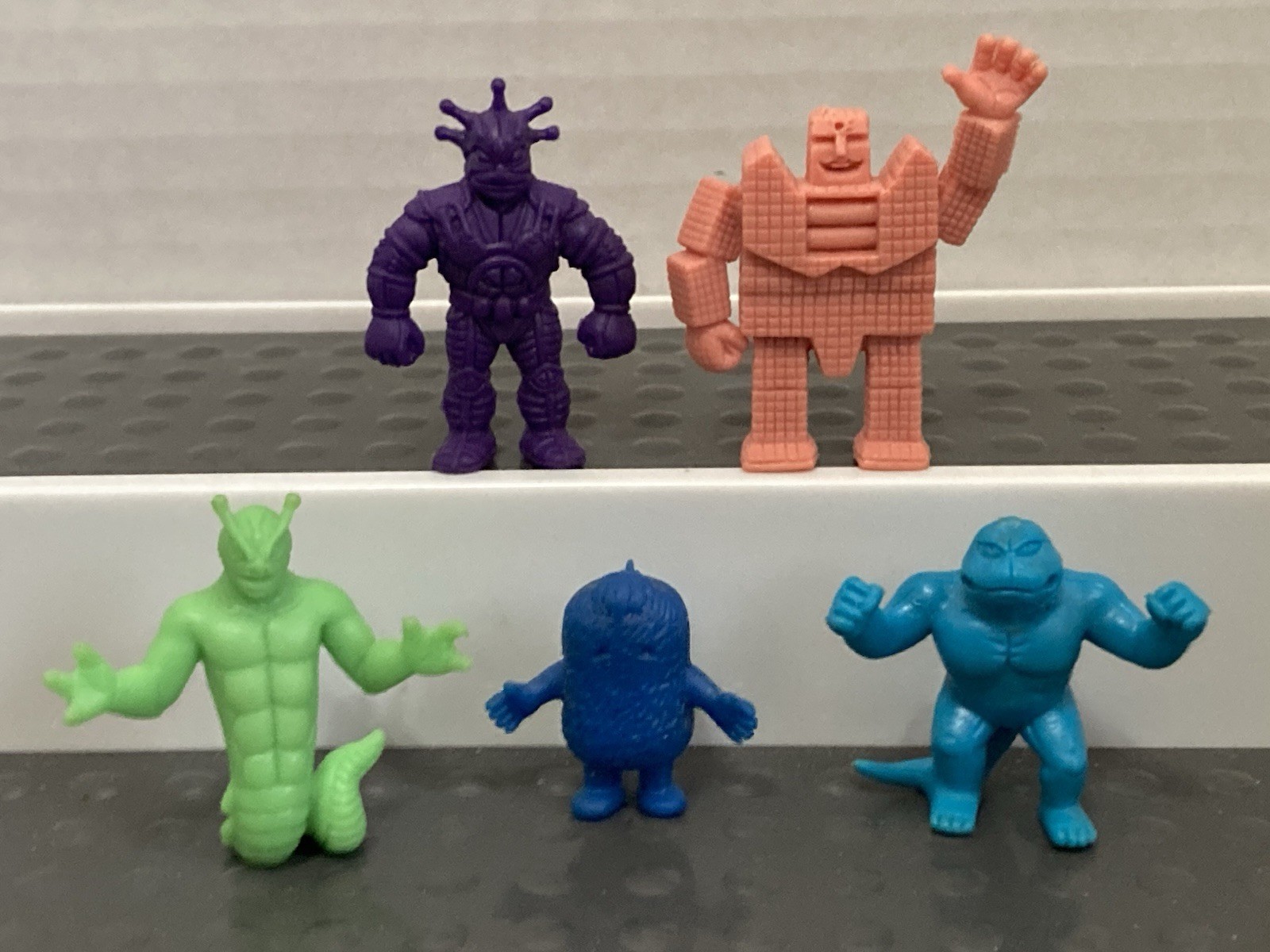


eBay links are affiliate links: JunkPal may earn a commission at no cost to you.
Resale values related to toy line variant chase
Shop toy line variant chase on eBay ↗
![Sulley [Flocked] #4 (Disney)](https://storage.googleapis.com/images.pricecharting.com/ad2u4mebvww5cvze/240.jpg)
![Mumm-Ra [GITD] #105 (Television)](https://storage.googleapis.com/images.pricecharting.com/gliojvm6ipapvj6r/240.jpg)
![Charizard [Metallic] #843 (Games)](https://storage.googleapis.com/images.pricecharting.com/iqzkm72uainftjs5/240.jpg)
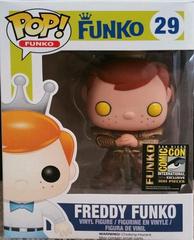

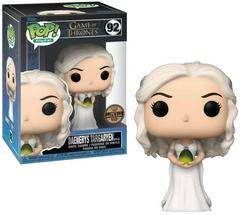

JunkPal may earn a commission when you buy through eBay links, at no extra cost to you.
What’s worth the most
Ranked on medians of real closed eBay sales, not asking prices.