What does “toy line variant” mean?
What it means
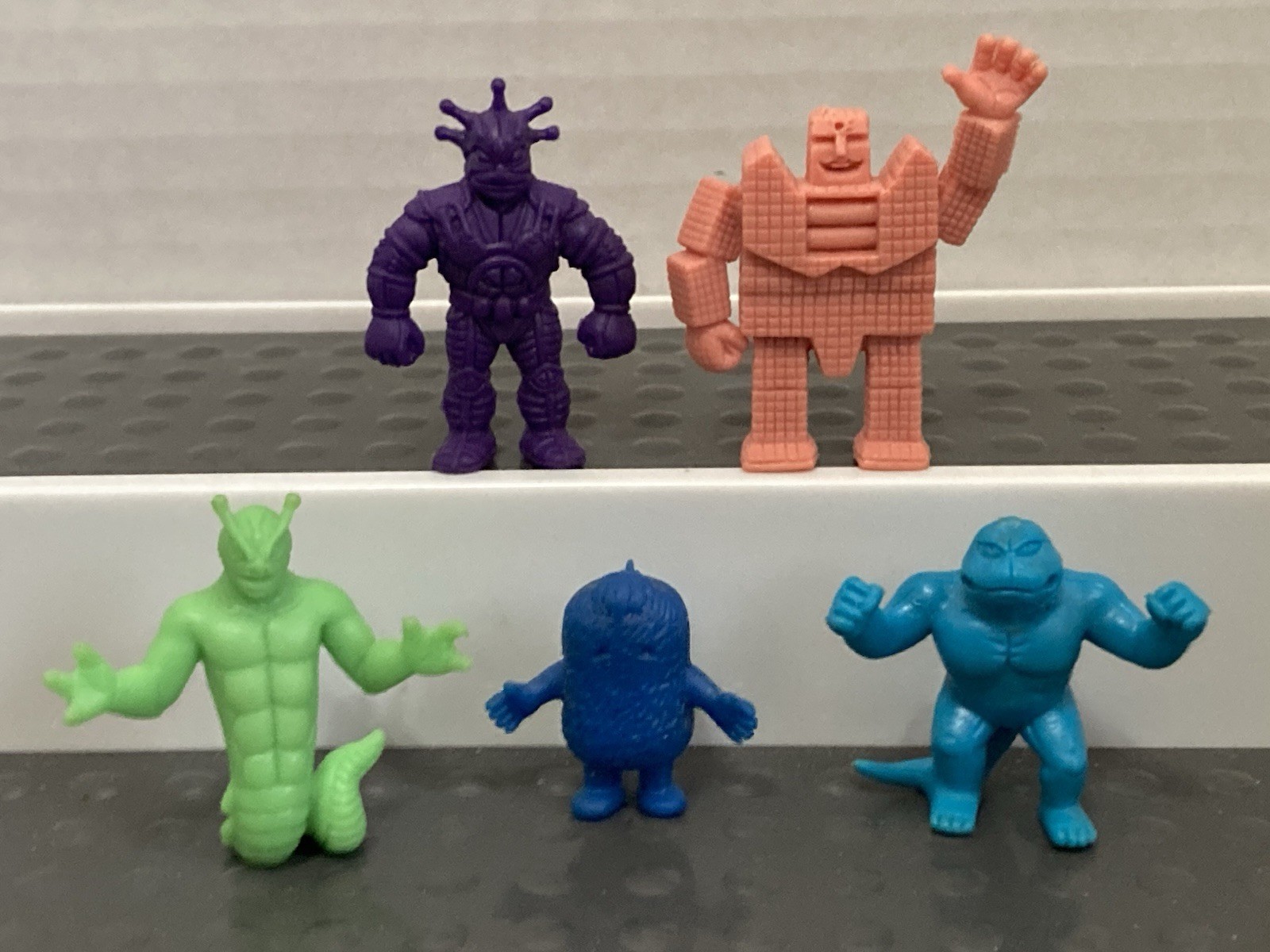
A toy line variant is a specific, traceable deviation from the standard production model within an established toy series. This is not merely a slight difference; it signifies a distinct production batch, regional market release, or deliberate collector's edition. Variations encompass changes in plastic tooling (mold variations), color palette shifts (e.g., "clear vs. opaque" versions), packaging artwork revisions, accessory swaps, or specific printing errors. The mainstream equivalent is a "version difference," but in collecting, the term implies documented scarcity and market recognition.
What it does to price
Variants directly impact valuation based on rarity and desirability. A confirmed, documented, and rare variant can command 3x to 10x the price of the standard retail version. A minor, common variant might only increase value by 1.1x to 1.3x. Conversely, an unconfirmed or common "mistake" variant might sell for less than the standard item due to lack of market demand. For example, a standard action figure might sell for \$20 loose; if it is confirmed as a rare, early-run mold variant, the price can jump to \$60–\$80.
How to spot it
Identification requires rigorous comparison against established reference guides. Key tells include specific mold lines visible on the joints, unique color codes on accessories, or subtle text changes on the cardback (e.g., a different copyright year). Sellers must provide high-resolution, well-lit photos of all angles, especially the mold seams and any printed information. Common pitfalls include confusing a simple factory repaint (a common error) with a deliberate, documented variant. Always cross-reference any suspected variant with known collector databases before making an offer.
Buying smart
Paying a premium for a variant is justified only when the variant is officially documented as rare or highly sought after by the specific collecting demographic. If the difference is purely aesthetic and undocumented, the premium is likely inflated speculation. A fair deal involves the seller providing clear, verifiable proof of the variant status. If the seller cannot definitively prove the variant status, the purchase should be priced at the standard market rate.
Selling smart
Listing a variant requires immediate, unambiguous identification in the title and description. Use precise terminology (e.g., "Early Production Variant," "Japan Exclusive Colorway"). The single most effective asset for commanding a premium is a clear, close-up photograph isolating the specific differentiating feature—be it a unique decal, a specific paint application, or a visible mold stamp. This proof shifts the item from a "toy" to a "collectible artifact," justifying the higher price point.
On eBay right now
Current asking prices from live listings — not sold-comp medians.


eBay links are affiliate links: JunkPal may earn a commission at no cost to you.
Resale values related to toy line variant
Shop toy line variant on eBay ↗![Beast [Flocked] #21 (Marvel)](https://storage.googleapis.com/images.pricecharting.com/yvoycgcknzf2xrfu/240.jpg)
![Freddy Funko [Black And White] #SE (Freddy Funko)](https://storage.googleapis.com/images.pricecharting.com/wtgvc2ynuopcvuy6/240.jpg)
![Martian Manhunter [Metallic] #18 (Heroes)](https://storage.googleapis.com/images.pricecharting.com/obmgxln52wkhzrkb/240.jpg)

![Andy Dwyer [Fugitive Toys 500] #533 (Television)](https://storage.googleapis.com/images.pricecharting.com/7kkbiohjl6bacja3/240.jpg)

![Freddy Funko As White Ranger [SDCC] #SE (Freddy Funko)](https://storage.googleapis.com/images.pricecharting.com/qvpx6g26q24wi5gi/240.jpg)
JunkPal may earn a commission when you buy through eBay links, at no extra cost to you.
What’s worth the most
Ranked on medians of real closed eBay sales, not asking prices.