What does “toy limited edition” mean?
What it means
A "toy limited edition" is a toy manufactured by a producer with a predetermined, finite production run. This contrasts with mass-market toys, which are produced in unlimited quantities. The limitation is intentional, often tied to specific promotional events, collaborations with other brands, or inclusion within a specialized collector series. The core concept is artificial scarcity. In the collecting niche, this scarcity elevates the item from a plaything to a piece of memorabilia. The mainstream equivalent is a "limited run" or "special release" item.
What it does to price
Scarcity directly inflates value. A factory-produced, mass-market version of a toy might retail for $20. A confirmed limited edition variant of the same toy, depending on demand and condition, can fetch 2x to 10x that price in the secondary market. For instance, a common figure might sell loose for $20, but a confirmed, sealed limited edition version could command $60–$200 depending on the line's popularity. Factors pushing the price up include low reported production numbers and high demand from specific fanbases. Price depreciation occurs if the edition size was grossly overestimated or if the item is easily replicated by unofficial third parties.
How to spot it
Verification requires evidence, not just a seller's claim. Look for specific markings: production codes, serial numbers, or unique iconography printed on the packaging or the toy itself. Many limited runs feature specific "Chase" variants or numbered certificates of authenticity (COA). Sellers must provide high-resolution photos of the box seams, stickers, and any discernible print details. Common pitfalls include "re-release" items—toys that are manufactured again later but are *not* part of the original limited run—and unauthorized knock-offs that mimic the limited edition aesthetic.
Buying smart
Paying a premium is justified when the item is verifiable and highly sought after within its specific collecting community. If the toy is part of a highly successful, short-lived collaboration (e.g., a specific movie tie-in exclusive), the premium is likely sound. Avoid paying high premiums for items where the limited status is ambiguous or relies solely on vague seller descriptions. A fair deal involves a price that reflects the confirmed scarcity relative to the current secondary market average for that specific production code.
Selling smart
Proving the limited nature of the item is the single most effective way to maximize sale price. Listings must explicitly state the evidence of scarcity. The most valuable proof is a clear photograph of the official production number or a COA. Using the term "Verified Limited Edition" in the title, backed by documentation, shifts the buyer's perception from "toy" to "asset." This documentation can easily justify a 30–50% premium over an identical, unverified item.
On eBay right now
Current asking prices from live listings — not sold-comp medians.


eBay links are affiliate links: JunkPal may earn a commission at no cost to you.
Resale values related to toy limited edition
Shop toy limited edition on eBay ↗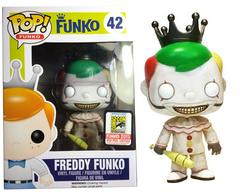


![Boo Berry [SDCC] #3 (Ad Icons)](https://storage.googleapis.com/images.pricecharting.com/lupnikjhlcyagzyx/240.jpg)
![Freddy Funko [SDCC Blue Ranger] #SE (Freddy Funko)](https://storage.googleapis.com/images.pricecharting.com/rzfe2c2kkvudftqr/240.jpg)
![Freddy Funko As The Penguin [Blacklight] #SE (Freddy Funko)](https://storage.googleapis.com/images.pricecharting.com/ceifka7n5bbqray5/240.jpg)
![Freddy Funko Cuphead Devil [Black] #SE (Freddy Funko)](https://storage.googleapis.com/images.pricecharting.com/dngudqjbmg24rgx5/240.jpg)

JunkPal may earn a commission when you buy through eBay links, at no extra cost to you.
What’s worth the most
Ranked on medians of real closed eBay sales, not asking prices.