What does “toy inventory” mean?
What it means
Toy inventory is the complete physical stock of toys held by a reseller or collector. For resellers, this is fungible assets held for resale. For collectors, it is the amassed personal collection. The term encompasses all items, regardless of whether they are listed for sale or are in private storage. It is distinct from "collection value," which is the assessed worth; inventory is the physical count and condition of the assets. Inventory management involves tracking acquisition cost, current condition grade, and potential market value for each unit.
What it does to price
Inventory condition is the primary driver of price variance. A complete-in-box (CIB) item typically commands a 1.5x to 3x premium over a loose or "open-box" equivalent, depending on the toy's rarity. Minor cosmetic flaws (scuffs, paint wear) can reduce value by 10% to 30%. Conversely, finding a rare, unreleased prototype within the inventory can instantly multiply the item's worth by 10x or more. For example, a standard action figure might sell for \$25 loose, but if the inventory contains a factory-sealed variant of that figure, the price could jump to \$75.
How to spot it
Authenticity checks require inspecting packaging integrity first. For vintage items, look for specific copyright dates, production run stamps, or unique mold variations that differentiate first runs from later printings. Photos must show the item from multiple angles, including the back of the box and any internal plastic trays. Common mistakes include misidentifying a later-run repaint as a sought-after original colorway. Sellers should provide high-resolution images of any serial numbers or identifying stickers.
Buying smart
Paying a premium for inventory is justified when the item is a documented, verified centerpiece of a known high-demand line, and the condition grade is near mint (e.g., A+ or higher). Paying a premium is not warranted for common, mass-market items where the price difference between loose and CIB is less than 20%. A fair deal involves the asking price being within 15% of the established secondary market average for that specific condition grade.
Selling smart
Proving the quality of the inventory directly translates to buyer confidence and higher realized prices. A detailed, high-resolution photo of the item's specific condition—for instance, a close-up of the card corners showing no whitening—is the key differentiator. Using precise condition terminology (e.g., "Mint on Card," "Light Play Wear") instead of vague terms like "good" allows the seller to anchor the price accurately and command the premium associated with verifiable quality.
On eBay right now
Current asking prices from live listings — not sold-comp medians.
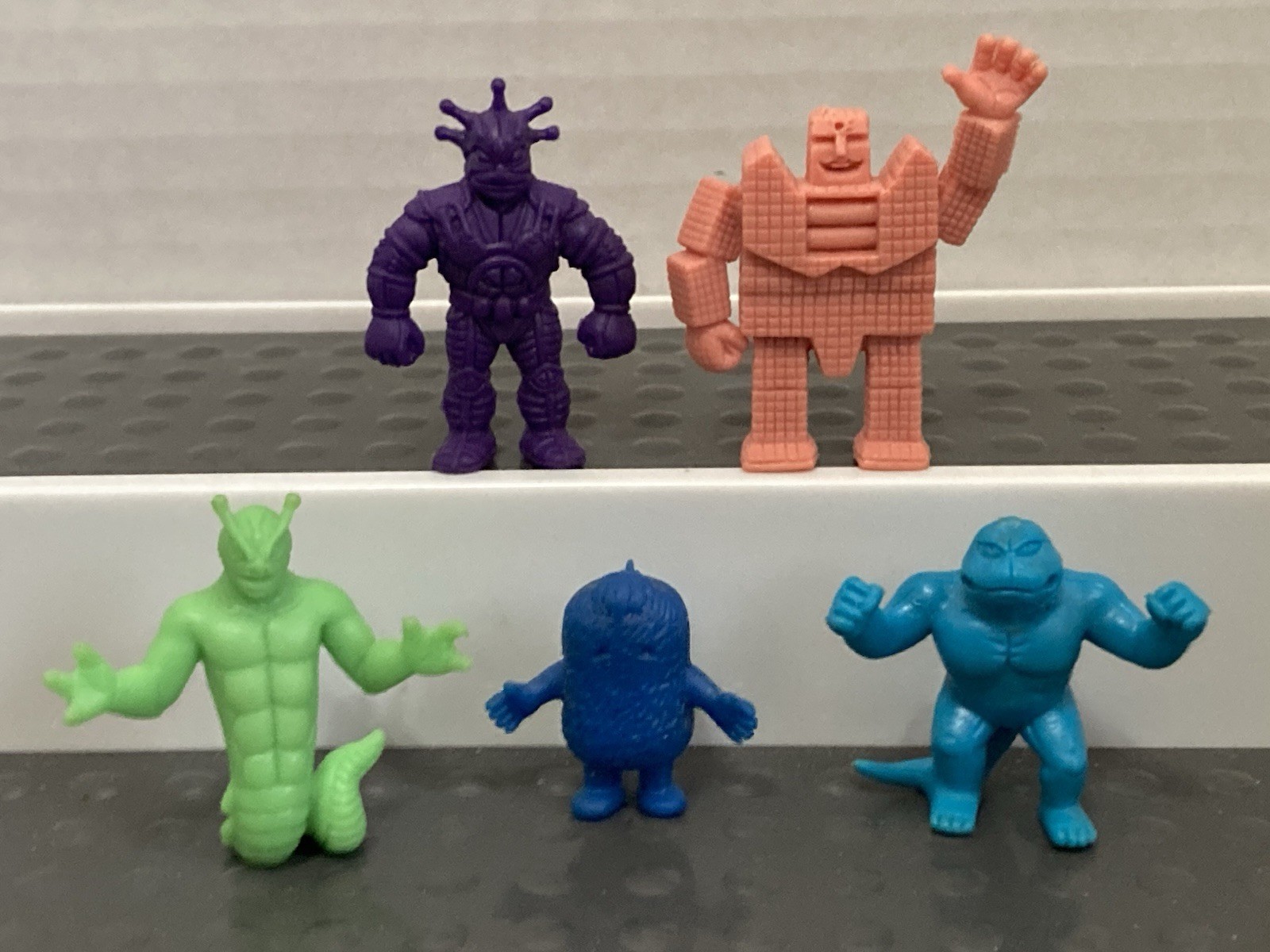


eBay links are affiliate links: JunkPal may earn a commission at no cost to you.
Resale values related to toy inventory
Shop toy inventory on eBay ↗![Batman [Black And White] #621 (Heroes)](https://storage.googleapis.com/images.pricecharting.com/jnmlup4n7nvvycf4/240.jpg)


![Freddy Funko As Frodo Baggins [Immortalized] #SE (Freddy Funko)](https://storage.googleapis.com/images.pricecharting.com/kjrzj73hqad4mfye/240.jpg)
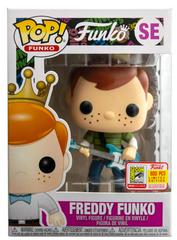
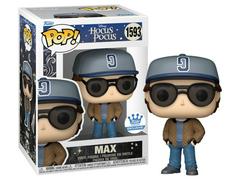

![Freddy Funko Superman [Metallic] #6 (Freddy Funko)](https://storage.googleapis.com/images.pricecharting.com/iabol3yvwsoqiqnt/240.jpg)
JunkPal may earn a commission when you buy through eBay links, at no extra cost to you.
What’s worth the most
Ranked on medians of real closed eBay sales, not asking prices.