What does “toy insert” mean?
What it means
A toy insert is the original, factory-molded packaging component designed to cradle and secure the individual parts of a toy within its outer box. This is not the outer box itself, but the internal tray, blister card backing, or foam/cardboard structure. For collectors, the insert functions as a primary indicator of completeness. A toy lacking its original insert is classified as "incomplete" or "loose," regardless of the condition of the toy itself. The insert verifies the item’s original presentation state.
What it does to price
The presence of an original, undamaged insert provides a tangible valuation boost. A toy with a complete, mint-condition insert (often referred to as "MOC" or Mint on Card/Box, depending on the packaging structure) typically fetches 1.5 to 3 times the price of the exact same toy sold loose. Damage to the insert—creases, mold breaks, or missing sections—can reduce the premium by 30-50%. For example, a rare action figure sold loose might sell for \$150; the same figure with a perfect insert could easily command \$250–\$300.
How to spot it
Inserts vary widely by manufacturer and era. Early toys often used molded plastic trays, while later items might use heavy-gauge cardboard inserts with specific product codes stamped on them. Sellers must provide high-resolution photos of the insert's corners and edges to check for warping or stress fractures. A common error is confusing the internal insert with the protective plastic bubble (blister). Fakes are rare for the insert itself, but sellers sometimes substitute modern, non-original packaging inserts to inflate perceived value. Always verify the insert matches the toy's specific production run markings.
Buying smart
Paying a premium for an insert is justified when the toy is highly sought after, rare, or part of a premium collecting set. If the toy is common or has low market demand, the added cost of the insert may not yield a proportional return. A fair deal involves the insert being in near-mint condition, free of major stress cracks or discoloration. If the insert is present but heavily damaged, the price should reflect that diminished completeness.
Selling smart
Listing a toy with its original insert requires clear documentation. The single most valuable addition to a listing is a photograph showing the toy *inside* the insert, clearly displaying the insert’s condition alongside the toy. Use the specific term "Complete with Original Insert" in the title. This terminology immediately signals completeness to serious buyers, justifying the higher asking price and filtering out casual bidders who are not focused on full-set condition.
On eBay right now
Current asking prices from live listings — not sold-comp medians.
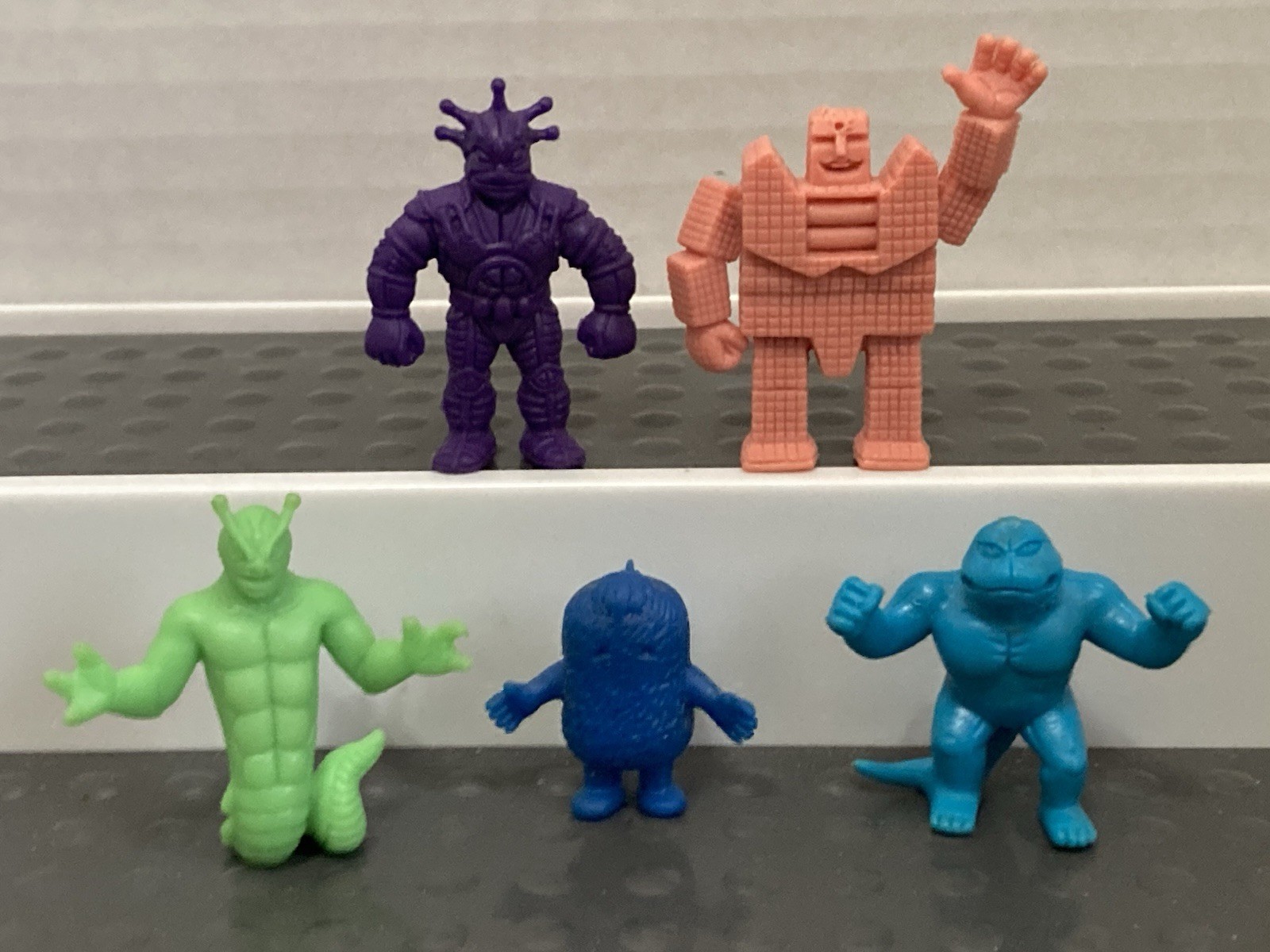


eBay links are affiliate links: JunkPal may earn a commission at no cost to you.
Resale values related to toy insert
Shop toy insert on eBay ↗![Boba Fett 18 [White Prototype] #537 (Star Wars)](https://storage.googleapis.com/images.pricecharting.com/i6mr2loooevy7oew/240.jpg)
![Whitebeard [MEFCC Chase] #1270 (Animation)](https://storage.googleapis.com/images.pricecharting.com/vo2zwon6en5xmovo/240.jpg)
![Freddy Funko [Red Ranger] #SE (Freddy Funko)](https://storage.googleapis.com/images.pricecharting.com/jgcs4yd5aj4jbeik/240.jpg)
![Cheshire Cat [SDCC] #35 (Disney)](https://storage.googleapis.com/images.pricecharting.com/znaeygzbpqtu5pa3/240.jpg)
![Scooby-Doo [Flocked Pink] #149 (Animation)](https://storage.googleapis.com/images.pricecharting.com/aqn7i2pxg4hm3j5f/240.jpg)

JunkPal may earn a commission when you buy through eBay links, at no extra cost to you.
What’s worth the most
Ranked on medians of real closed eBay sales, not asking prices.