What does “toy import” mean?
What it means
Toy import refers to the physical process of moving manufactured toys from international production facilities into a domestic retail or collector market. It is not merely the item's origin, but the entire supply chain: procurement, shipping logistics, and customs clearance. The term distinguishes legitimate, documented overseas sourcing from unauthorized or gray-market acquisition. For collectors, the distinction matters because legitimate imports often represent official distribution channels for foreign-exclusive releases. Gray-market imports lack this official provenance.
What it does to price
Legitimate, documented imports often command a premium over domestic distribution due to scarcity or exclusivity. Foreign exclusives can see price multipliers of 1.8x to 3.5x compared to their domestic counterparts if they are highly sought after. Conversely, undocumented imports carry a risk discount; if a seller cannot prove clear customs entry, the item may trade at a 10-20% discount due to perceived risk or authenticity doubt. For example, a highly limited Japanese-exclusive figure might sell for $250 with full import paperwork, but only $200 without verifiable documentation.
How to spot it
The tells are in the packaging and documentation. Look for region-specific markings on the box (e.g., "JP" for Japan, "EU" for Europe) that differ from standard domestic packaging. Check the manufacturer's copyright dates; sometimes, imports are older stock that was never officially released domestically. Sellers must provide shipping manifests or customs declarations. A red flag is vague sourcing descriptions like "online overseas purchase" without accompanying invoices. Fakes often mimic the regional packaging but lack the precise print registration or specific regulatory stickers required for official entry.
Buying smart
Paying a premium for an import is justified when the item is a confirmed, officially sanctioned foreign exclusive that is otherwise unavailable in the domestic market. If the item is a common release simply sold cheaper overseas, the savings are negligible compared to the risk of dealing with undocumented goods. A fair deal involves the asking price reflecting the known scarcity *plus* a reasonable markup to cover the verified cost of import duties and shipping. If the price difference between the import and domestic version is less than 15%, the risk of the import being gray-market outweighs the benefit.
Selling smart
Proving legitimate import status directly enhances perceived value and mitigates buyer risk. A listing that includes a clear photo of the original customs paperwork or the shipping label showing the destination country immediately elevates the item’s standing. The key selling word is "Verified Import" or "Official Foreign Release." This documentation shifts the item from being a speculative collectible to a proven piece of international merchandise, allowing the seller to command the top-tier market price for authenticated scarcity.
On eBay right now
Current asking prices from live listings — not sold-comp medians.
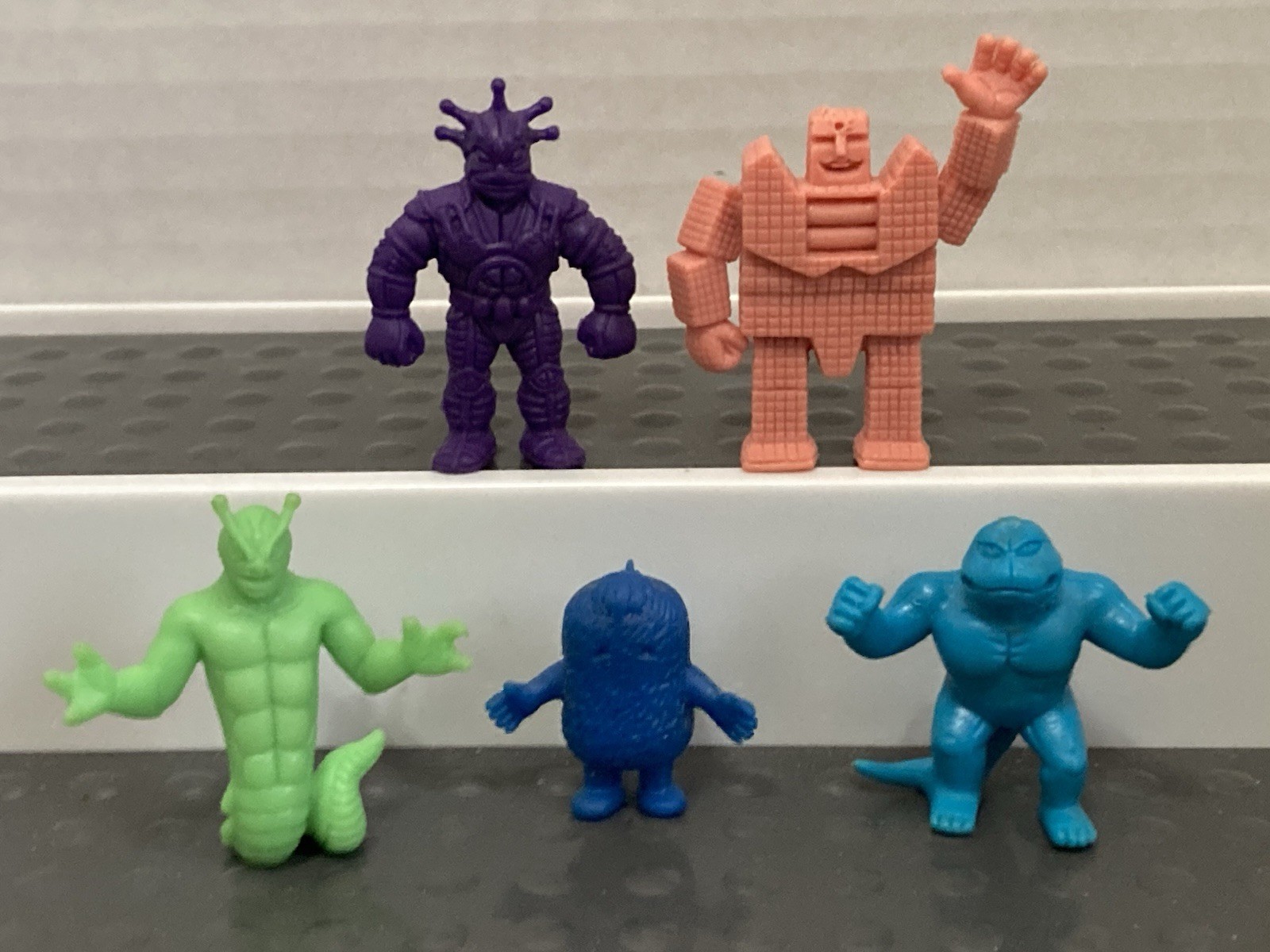


eBay links are affiliate links: JunkPal may earn a commission at no cost to you.
Resale values related to toy import
Shop toy import on eBay ↗![White Ranger [GITD] #22 (Television)](https://storage.googleapis.com/images.pricecharting.com/33giahhj65p5mb64/240.jpg)



![Ahsoka [Hall H] #464 (Star Wars)](https://storage.googleapis.com/images.pricecharting.com/ihkm7ajlce2wugd7/240.jpg)
![Baby Milo [BAIT] #17 (Bape)](https://storage.googleapis.com/images.pricecharting.com/2s5zd42g7zejrpav/240.jpg)
JunkPal may earn a commission when you buy through eBay links, at no extra cost to you.
What’s worth the most
Ranked on medians of real closed eBay sales, not asking prices.