What does “toy hunter” mean?
What it means
A toy hunter is a dedicated collector who actively seeks out specific, desirable, or rare toys. This is not a casual buyer; they are motivated by completion, scarcity, or nostalgia. The term is standard collector jargon. For resellers, they are the high-value end-user. They are looking for authenticity and condition above all else. They operate outside of mass-market demand, targeting niche, high-demand items.
What it does to price
The presence of a toy hunter in the market drives scarcity premium. A sought-after, authenticated piece can command a price 2x to 5x that of a common, loose version. Condition is the primary multiplier. A Mint-in-Box (MIB) piece from a desirable line often fetches 1.5x to 3x the price of a loose, playable example. A common mistake is assuming high demand equals high price; the item must be *rare* to attract this premium. For example, a standard action figure might sell for \$20 loose, but an authenticated variant sought by a hunter could sell for \$150.
How to spot it
Toy hunters are identified by their search parameters. They are not browsing general sales; they are targeting specific SKUs, error variants, or limited print runs. Look for inquiries referencing specific catalog numbers, production dates, or known production flaws. Ask sellers for high-resolution photos of the copyright stamps, mold markings, and original packaging seals. Common mistakes include confusing regional variations (e.g., European vs. US releases) or accepting items without original paperwork. Fakes often fail on microscopic paint application or incorrect plastic density.
Buying smart
Paying a premium is justified when the item is verifiably scarce, has strong provenance (documented history), or is a key missing piece in a known, high-value collection. It is not worth the premium for duplicates or items where the rarity is based solely on subjective nostalgia. A fair deal involves the asking price being within 15-25% of the established secondary market value for that specific grade and variant. If the seller cannot provide clear documentation supporting the rarity claim, the premium should be significantly reduced.
Selling smart
Proving the item’s status as a hunter-grade piece requires moving beyond basic condition reports. High-value listings must include photographs of all identifying marks—serial numbers, production stickers, and box corners. The single most valuable addition to a listing is a clear, dated photo of the item *with* its original, factory-sealed packaging visible. The word "Authenticated" or "Verified" in the title, backed by evidence, immediately shifts the buyer profile from casual buyer to dedicated hunter, justifying the top-tier pricing.
On eBay right now
Current asking prices from live listings — not sold-comp medians.
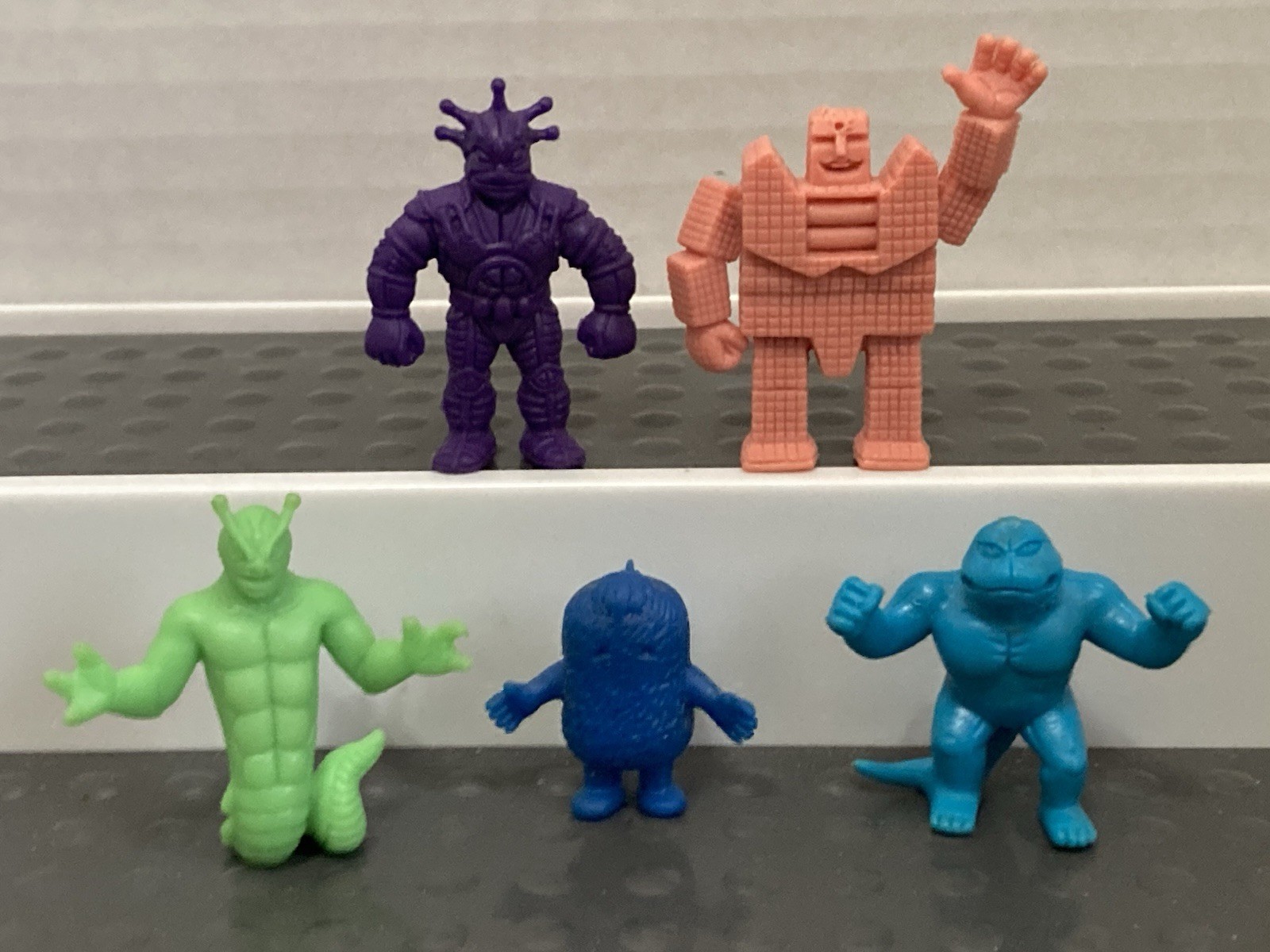


eBay links are affiliate links: JunkPal may earn a commission at no cost to you.
Resale values related to toy hunter
Shop toy hunter on eBay ↗


![Freddy Funko As John Cena [Translucent] #SE (Freddy Funko)](https://storage.googleapis.com/images.pricecharting.com/lyrdg4rrad7mwvm2/240.jpg)
![Sloth [Superman Shirt] #76 (Movies)](https://storage.googleapis.com/images.pricecharting.com/guxyemxeq4l5yqh5/240.jpg)
![Steamboat Willie [D23] #24 (Disney)](https://storage.googleapis.com/images.pricecharting.com/24bkzfe6wtobrgku/240.jpg)
![Hawkman [Metallic] #17 (Heroes)](https://storage.googleapis.com/images.pricecharting.com/ye34olsq2kzpoxgt/240.jpg)
JunkPal may earn a commission when you buy through eBay links, at no extra cost to you.
What’s worth the most
Ranked on medians of real closed eBay sales, not asking prices.