What does “toy hoard” mean?
What it means
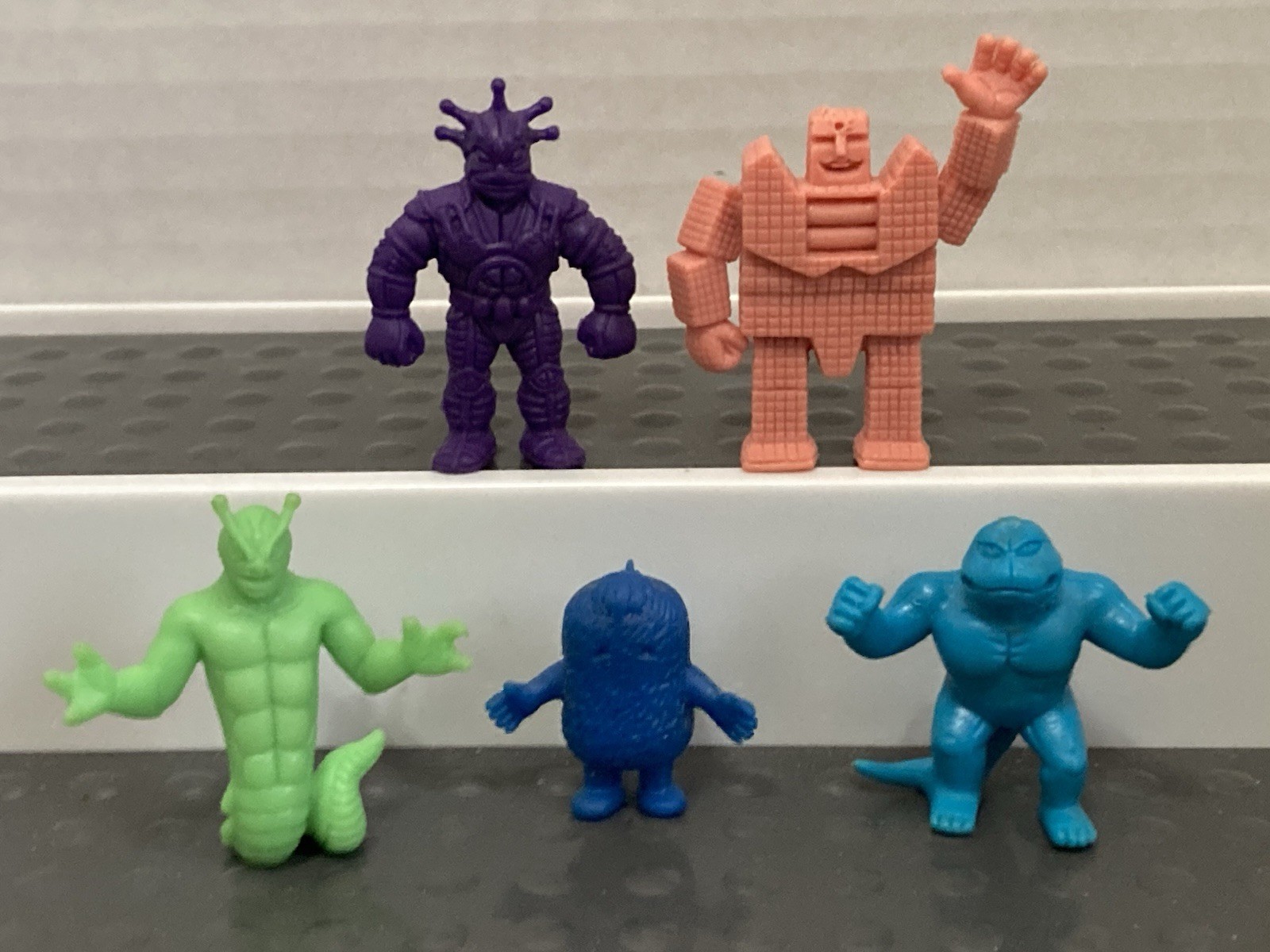
A toy hoard is a massive, often unsorted accumulation of toys. It is not a specific grading term; it describes the quantity of inventory. The mainstream equivalent is a large private collection. The value is not inherent in the hoard itself but is derived entirely from the individual items within it. A hoard is a mixed lot. It contains high-value rarities alongside low-value common pieces. The term signifies volume and the subsequent need for extensive triage (sorting and evaluation).
What it does to price
The presence of a hoard introduces significant pricing uncertainty. It prevents the application of standard unit pricing. Pricing shifts from item-specific to lot-based. A large, unsorted hoard typically commands a discount relative to the sum of its appraised parts, often ranging from 30% to 50% off the theoretical maximum value. This discount compensates the buyer for the labor of sorting and grading. Conversely, if the hoard is known to contain several confirmed, high-grade centerpiece items (e.g., three mint-in-box (MIB) vintage figures), the discount can narrow, perhaps to 15-25%. A single, confirmed $500 rare item in a hoard might only add $100-$150 to the final lot price due to the necessary discounting of the surrounding bulk.
How to spot it
The tell is scale. A hoard is not a shelf display; it is a mass of boxes, bags, or bins. Sellers often use vague descriptions like "garage sale haul" or "attic clearout." Buyers must request high-resolution photos showing the *density* of the collection, not just the surface. Look for signs of poor storage—dust accumulation, yellowing plastic, or evidence of moisture damage across multiple items. Common mistakes include sellers overstating the condition of bulk items; a "Near Mint" label on a pile of 50 toys is meaningless without inspection.
Buying smart
Paying a premium for a hoard is only justifiable when the seller provides verifiable proof of high-value inclusions. If the seller can point to 2-3 items that are confirmed rarities or high-grade examples, the premium is warranted. If the hoard is presented as a "mystery lot" with no highlighted rarities, the purchase should be treated as bulk liquidation, requiring a deep discount. A fair deal involves a price that reflects the *potential* value after accounting for the buyer's necessary labor and risk assessment. If the potential value is unclear, the risk premium is too high.
Selling smart
Listing a hoard requires transparency to manage buyer expectations. Do not list it as a single "Lot." Instead, categorize it: "Bulk Lot - Contains Mixed Vintage Toys" or "Hoard - Potential Rarities." The single most effective element is providing a "Key Item Showcase." This means selecting 3-5 representative pieces—one common, one mid-grade, and one suspected high-grade—and photographing them individually, clearly labeled, even if they are buried in the mass. This shifts the listing from a gamble to an opportunity.
On eBay right now
Current asking prices from live listings — not sold-comp medians.


eBay links are affiliate links: JunkPal may earn a commission at no cost to you.
Resale values related to toy hoard
Shop toy hoard on eBay ↗![Billy [GITD SDCC] #52 (Movies)](https://storage.googleapis.com/images.pricecharting.com/fa3pxsuhvgaziukq/240.jpg)
![Freddy Funko As Chuckie [Purple Reptar] #SE (Freddy Funko)](https://storage.googleapis.com/images.pricecharting.com/44ekoa3vkmi47z5t/240.jpg)
![Murloc [Green, GITD] #33 (Games)](https://storage.googleapis.com/images.pricecharting.com/b4gnqe4yood3rou5/240.jpg)
![Superman [NYCC] #7 (Heroes)](https://storage.googleapis.com/images.pricecharting.com/y6y54wdnsavjfaik/240.jpg)


![Genya Shinazugawa [Demon Form] #1851 (Animation)](https://storage.googleapis.com/images.pricecharting.com/2e2asqm3eaxpf54a/240.jpg)
JunkPal may earn a commission when you buy through eBay links, at no extra cost to you.
What’s worth the most
Ranked on medians of real closed eBay sales, not asking prices.