What does “toy grading service” mean?
What it means
A toy grading service is a third-party authentication and condition assessment process applied to collectible toys. It assigns a standardized, numerical grade or descriptive label to the item. This functions identically to grading in the comic book or trading card markets. The service verifies the toy's authenticity—ensuring it is not a counterfeit—and meticulously documents its physical state. The resulting grade is the primary objective measure of the toy's quality, replacing subjective opinion with verifiable data.
What it does to price
Grading creates immediate, quantifiable market segmentation. A toy sealed and graded (e.g., in a protective slab) commands a significant premium over the same item loose. Typically, a high-grade, sealed piece can fetch 2x to 5x the price of an equivalent ungraded item, depending on the toy's rarity and market heat. Minor imperfections, such as slight paint rub or loose joints, can drop a grade substantially, leading to price reductions of 30% or more. For example, a highly sought-after vintage action figure graded 9.0 might sell for \$800, while the same figure in loose, ungraded condition with minor scuffs might only realize \$450.
How to spot it
Authentication relies on external verification, not internal inspection. Sellers should provide high-resolution photos of the grading company's label, including the unique certification number. When assessing condition before grading, look for factory seals, original packaging integrity, and evidence of stress points (joints, seams). Common issues include "soft spots" in plastic, minor shelf wear, or missing accessories. Fakes often fail to replicate the precise font, holographic elements, or tamper-evident seals used by major grading companies.
Buying smart
Paying for a grade is justifiable when the toy is a high-tier investment piece, extremely rare, or when the market for that specific toy is volatile. If the item is common or has a low established market value, the grading fee plus the premium it commands may not yield a sufficient return. A fair deal involves the listed price reflecting the known market value *plus* the established premium for the grade. If a seller is asking for a price that suggests a perfect grade but provides photos showing clear flaws, the deal is inflated.
Selling smart
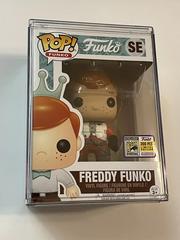
Presenting a graded item instantly shifts the transaction from a speculative purchase to a verified asset acquisition for the buyer. The certification number, when provided in the listing description, acts as a permanent, verifiable guarantee of condition and authenticity. The single most valuable element in a listing is the photo of the graded toy *in its protective case*, clearly displaying the grade and the grading company's logo. This visual proof is what allows the seller to command the highest end of the market price bracket.
On eBay right now
Current asking prices from live listings — not sold-comp medians.
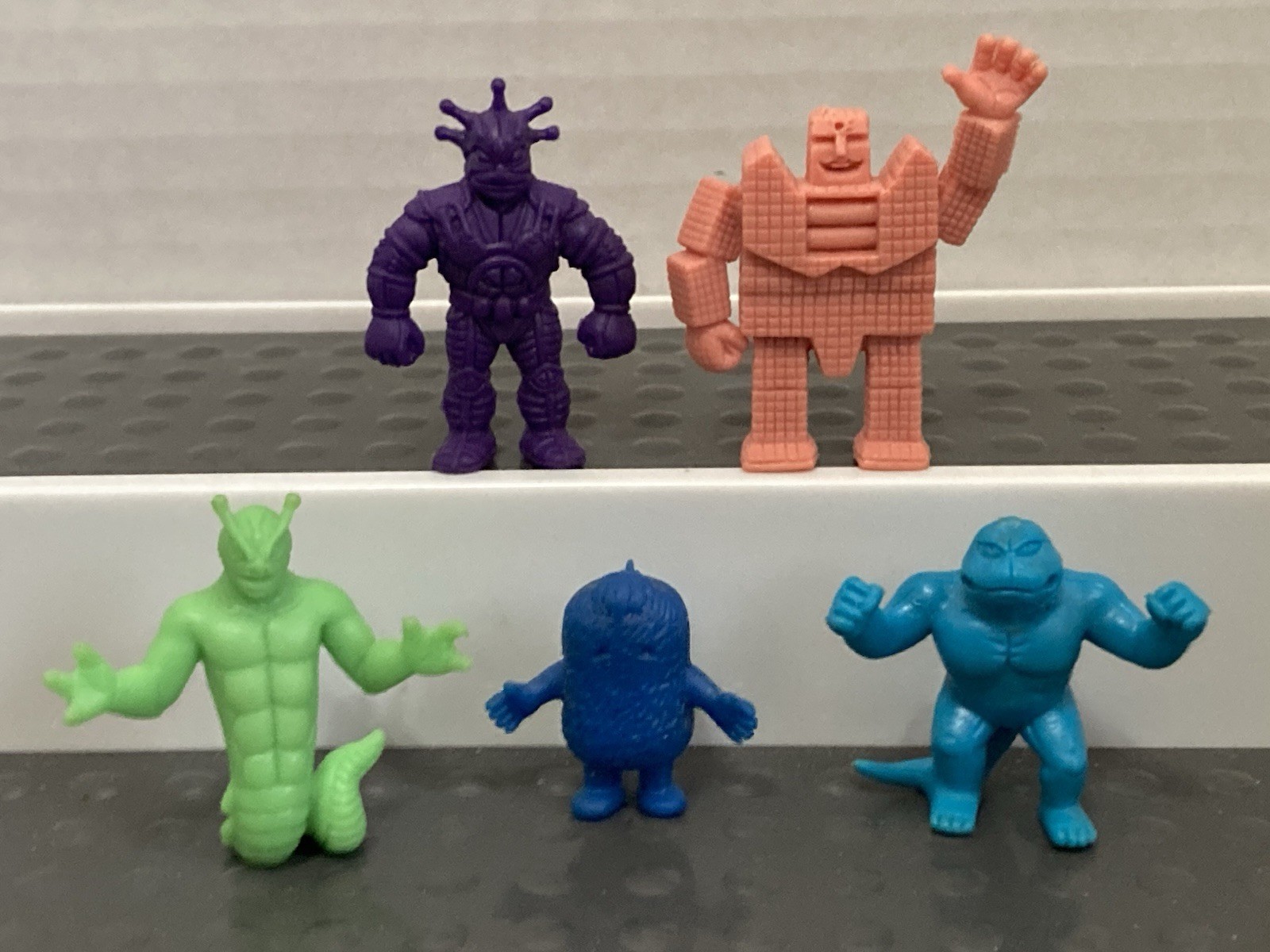


eBay links are affiliate links: JunkPal may earn a commission at no cost to you.
Resale values related to toy grading service
Shop toy grading service on eBay ↗![Purple Haze [Metallic] #1 (Rocks)](https://storage.googleapis.com/images.pricecharting.com/vni4glpktxyx7qj3/240.jpg)
![Captain America [Black And White] #6 (Marvel)](https://storage.googleapis.com/images.pricecharting.com/xpo2ucj6yllz3sje/240.jpg)
![White Ranger [GITD] #22 (Television)](https://storage.googleapis.com/images.pricecharting.com/33giahhj65p5mb64/240.jpg)



JunkPal may earn a commission when you buy through eBay links, at no extra cost to you.
What’s worth the most
Ranked on medians of real closed eBay sales, not asking prices.