What does “toy graded” mean?
What it means
"Toy graded" means a toy has been submitted to an authorized third-party authentication and grading service (e.g., AFA, Beckett). This service assigns a numerical or letter grade based on standardized criteria covering structural integrity, paint application, box condition, and completeness. This process transforms subjective condition assessment into an objective, verifiable data point. The grade is the standardized equivalent of a formal appraisal. The service encapsulates the entire item—toy and packaging—into a sealed, tamper-evident case, which is the ultimate proof of condition.
What it does to price
Grading creates immediate, quantifiable market segmentation. A high-grade, sealed item (e.g., a PSA 10 equivalent) typically commands a 2x to 5x premium over an identical item graded loose or ungraded, assuming the toy itself is rare. Packaging condition is the primary driver; a graded box with significant shelf wear will drastically undercut a pristine, factory-sealed grade. Conversely, a low grade (e.g., 2-4) on a desirable item often reduces value by 40-60% because the buyer assumes restoration or repair is necessary. For example, a mint-condition, loose vintage action figure might sell for \$80; the same figure graded Mint/Near Mint often sells for \$150-\$250 depending on scarcity.
How to spot it
The tell is the sealed case itself. Authentic graded items feature specific holographic seals, unique serial numbers matching the certificate, and manufacturer markings on the case. Common fakes involve poorly printed certificates or cases that do not align perfectly. Honest mistakes include items graded "Good" because of minor, unlisted seam stress on the box, or items graded "Mint" despite having a small, unnoticeable paint chip on an accessory. Always cross-reference the grade number on the item with the grading company’s published condition guide for that specific toy line.
Buying smart
Paying a premium for a graded item is justified only when the item is extremely rare, highly sought after, or when the buyer requires immediate, guaranteed authenticity for investment purposes. It is not worth the premium for common or easily replaceable toys. A fair deal involves the asking price being within 15-25% of the established market average for that specific grade level, verified across multiple recent sales records for that toy. If the premium exceeds 30% over the loose market value without extreme scarcity, the risk outweighs the reward.
Selling smart
Listing a graded item immediately shifts the sales narrative from "condition risk" to "verified asset." Buyers pay for the convenience and certainty the grade provides. The single most impactful element in a listing is a high-resolution photo of the *certificate* showing the grade and the *sealed case* itself. This documentation eliminates buyer hesitation regarding authenticity and condition, allowing the seller to command the top tier of the market price for that item's rarity.
On eBay right now
Current asking prices from live listings — not sold-comp medians.
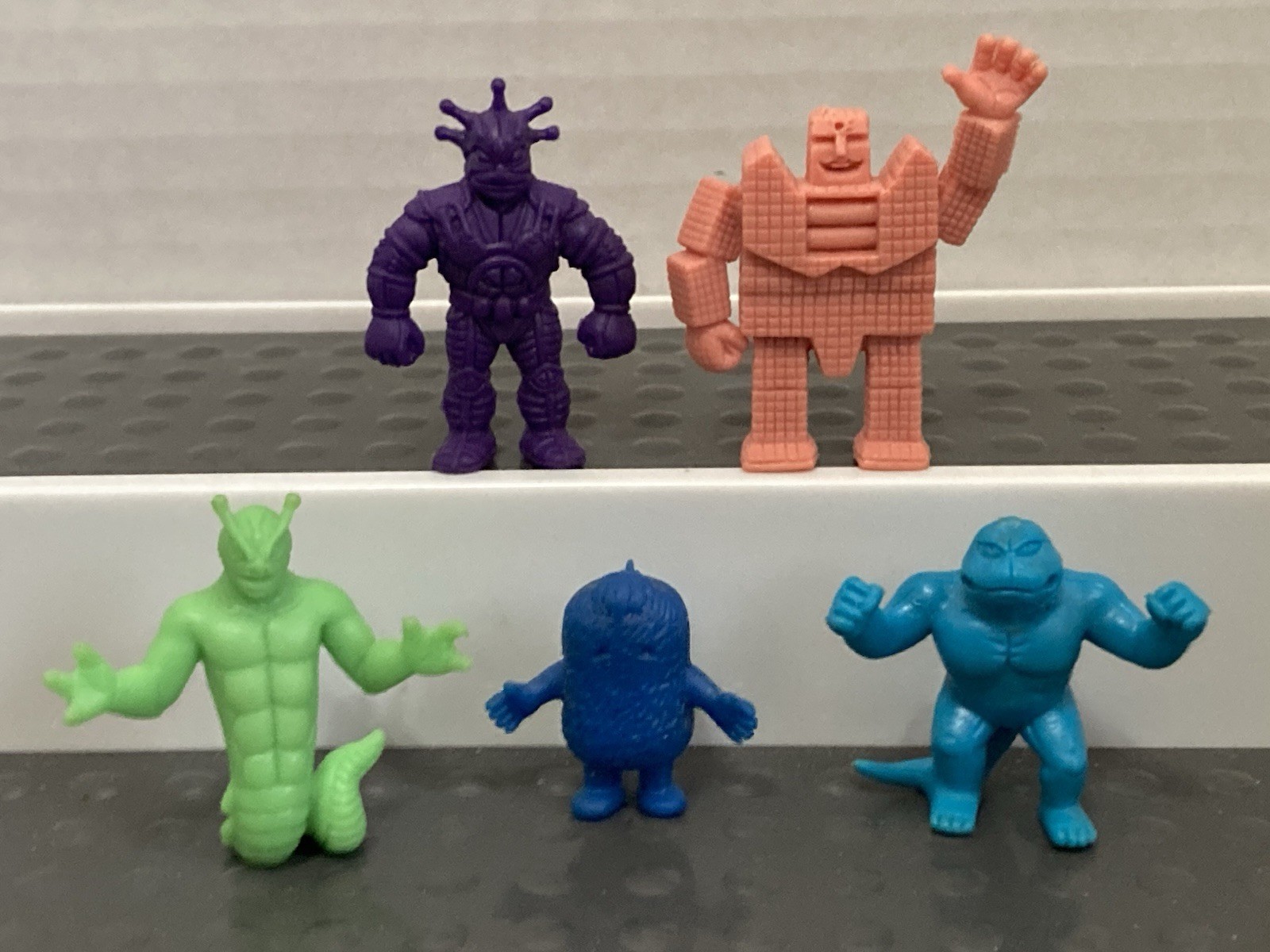


eBay links are affiliate links: JunkPal may earn a commission at no cost to you.
Resale values related to toy graded
Shop toy graded on eBay ↗![Andy Dwyer [Fugitive Toys 500] #533 (Television)](https://storage.googleapis.com/images.pricecharting.com/7kkbiohjl6bacja3/240.jpg)

![Freddy Funko As White Ranger [SDCC] #SE (Freddy Funko)](https://storage.googleapis.com/images.pricecharting.com/qvpx6g26q24wi5gi/240.jpg)
![Gizmo [Flocked] #4 (Movies)](https://storage.googleapis.com/images.pricecharting.com/ppliumnvbzjs6pxm/240.jpg)



JunkPal may earn a commission when you buy through eBay links, at no extra cost to you.
What’s worth the most
Ranked on medians of real closed eBay sales, not asking prices.