What does “toy enthusiast” mean?
What it means
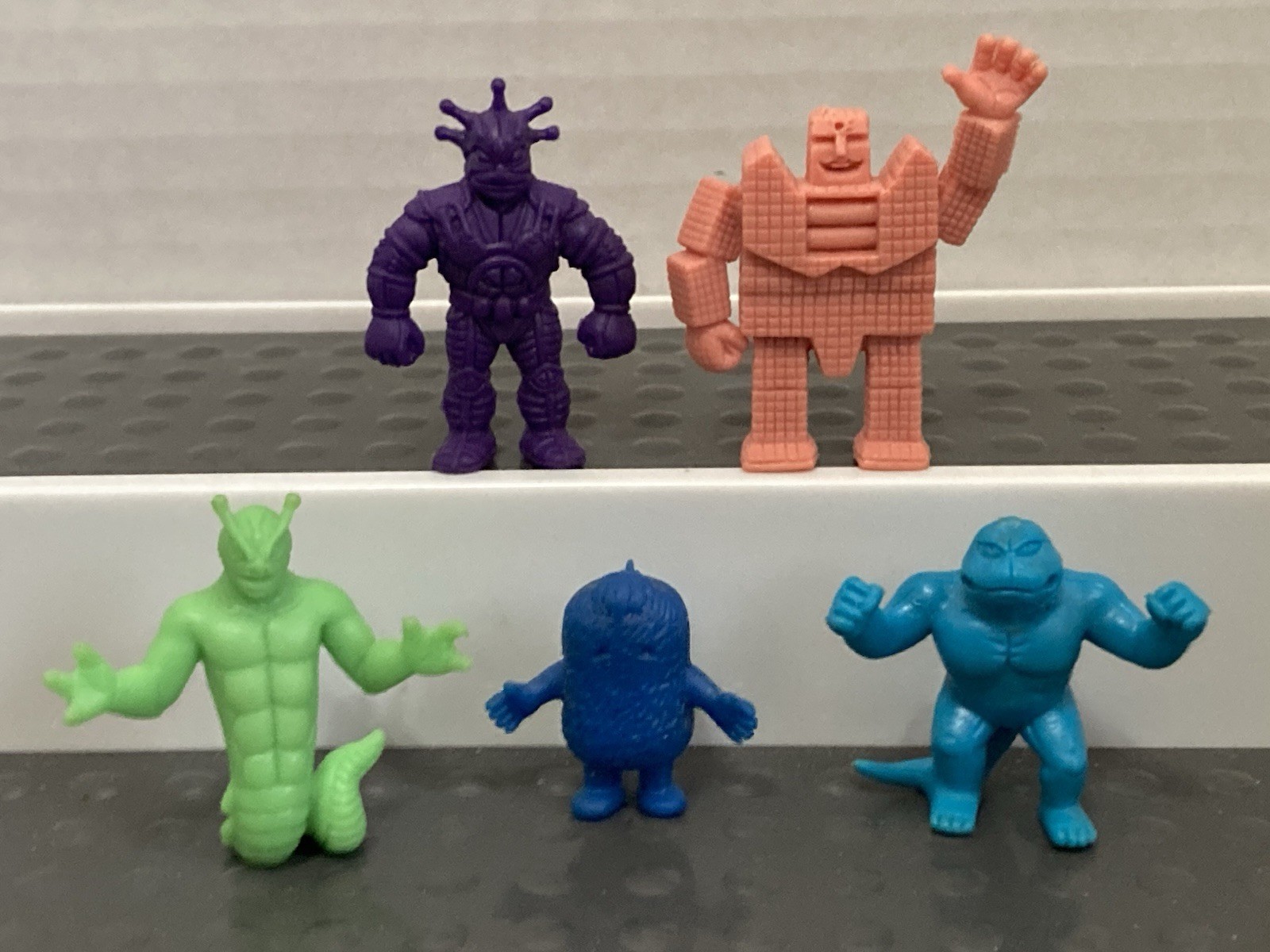
A toy enthusiast is a dedicated collector or serious player. This goes beyond casual interest; it implies active pursuit of specific toy lines, manufacturing eras, or item types. The term replaces "hobbyist" in this context because it denotes a higher level of engagement, often involving deep knowledge of production runs, variants, and historical context. For the market, this means the buyer is seeking authenticity and completeness, not just a cheap plaything.
What it does to price
Enthusiast demand creates a significant price floor. A complete, high-grade item (e.g., mint in box/CIB) can command a 2x to 5x multiplier over a loose, damaged, or incomplete equivalent. Minor flaws are tolerated by casual buyers but heavily penalized by enthusiasts. For example, a rare action figure with a factory-sealed card might fetch $150, while the same figure loose and slightly scuffed might sell for $60. Provenance—documentation of ownership or origin—can add a 10-20% premium.
How to spot it
Enthusiasts look for specific identifiers. Check for production code variations, specific paint applications, or subtle mold changes between years. When evaluating a listing, request high-resolution photos of the back of the packaging (for copyright/batch numbers) and close-ups of any visible wear points (e.g., seam lines, paint chips). Common pitfalls include sellers mislabeling a later, less desirable reissue as a first-run variant. If a seller cannot provide specific manufacturing details, they are likely catering to casual buyers, not enthusiasts.
Buying smart
Paying a premium is justified when the item is a documented cornerstone piece of a specific, desirable line, or when the condition is truly near-perfect (e.g., factory-sealed). Do not pay enthusiast premiums for items where the market is saturated with cheap knock-offs or where the item is functionally broken. A fair deal involves the asking price reflecting the verifiable scarcity *and* the documented condition. If the condition is "Good" but the item is rare, the price should reflect the risk of buyer-grade wear.
Selling smart
Listing must speak the enthusiast language. Do not just list "Toy, Good Condition." Use precise terminology: "Mint in Box (MIB)," "Loose, Near Mint (NM)," or "Complete with Original Packaging (C.O.P.)." The single most effective element is a detailed condition report that uses industry standards (e.g., C9.5/10). A single photo clearly showing the item's original box seal or an accompanying certificate of authenticity instantly shifts the item from a commodity to a collectible asset, justifying the higher price point.
On eBay right now
Current asking prices from live listings — not sold-comp medians.


eBay links are affiliate links: JunkPal may earn a commission at no cost to you.
Resale values related to toy enthusiast
Shop toy enthusiast on eBay ↗![Buzz Lightyear With Zurg [GITD 9-Inch] (Disney)](https://storage.googleapis.com/images.pricecharting.com/kwzwnb4htg5avzxx/240.jpg)
![Lil' Gruesome [Orange Black Suit] #40 (Animation)](https://storage.googleapis.com/images.pricecharting.com/dlofh6rwett6jaaw/240.jpg)
![The Flash [Metallic Fall Convention] #10 (Heroes)](https://storage.googleapis.com/images.pricecharting.com/hct7lvedfneqczzl/240.jpg)
![Notorious B.I.G. [Metallic] #18 (Rocks)](https://storage.googleapis.com/images.pricecharting.com/n3vtaeecxxnnmxdw/240.jpg)
![Harley Quinn [Silver] #45 (Heroes)](https://storage.googleapis.com/images.pricecharting.com/gqigvkupdptxzpst/240.jpg)

![Spider-Man [Metallic] #45 (Marvel)](https://storage.googleapis.com/images.pricecharting.com/7dplwirca2ce3vda/240.jpg)
JunkPal may earn a commission when you buy through eBay links, at no extra cost to you.
What’s worth the most
Ranked on medians of real closed eBay sales, not asking prices.