What does “toy display” mean?
What it means
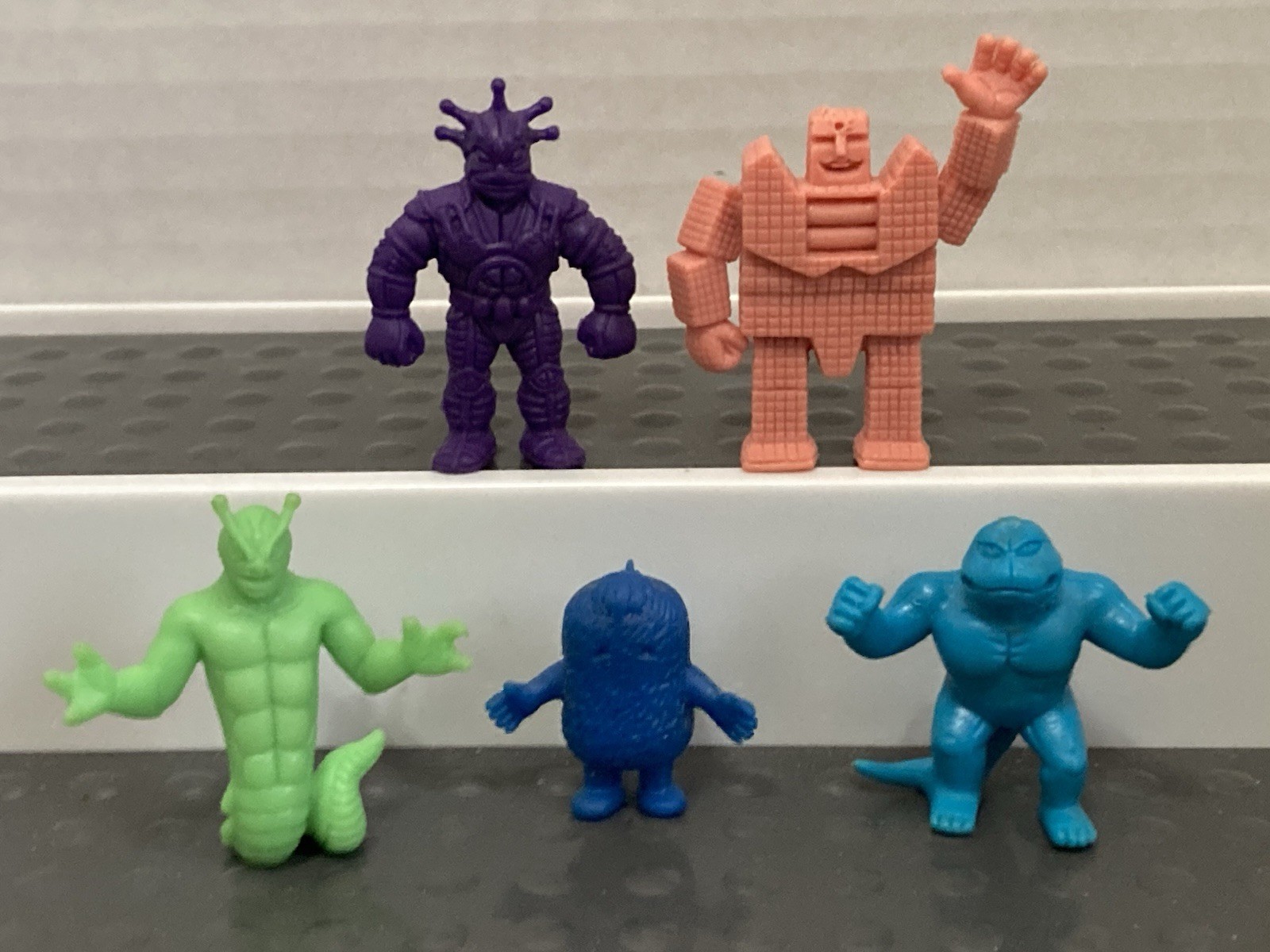
"Toy display" in this context refers to the physical or photographic presentation of a collectible toy. This encompasses how the item is stored, exhibited, or photographed for sale. It is not the toy itself, but the context surrounding it. For collectors, display quality speaks to care and provenance. For resellers, the display is a marketing tool. The mainstream equivalent is product staging or presentation. A display can range from simple shelving to elaborate, themed dioramas.
What it does to price
Display quality directly impacts perceived value. A professionally staged, clean, and well-lit display can increase the asking price by 15% to 40% over an identical loose item. Conversely, poor presentation—such as items piled haphazardly or photographed in a dark, cluttered room—can trigger a perception of neglect, potentially reducing the sale price by 20% or more. For example, a rare action figure photographed in a dusty, dark corner might sell for $50 less than the same figure photographed under bright, even lighting on a white surface.
How to spot it
Spotting display quality involves assessing the environment shown in photos. Look for background clutter; excessive background noise lowers perceived value. Check the lighting: harsh shadows or yellow indoor lighting are red flags. For high-end items, look for evidence of protective casing (e.g., acrylic cases, blister card backing). A telltale sign of a low-effort listing is using a bathroom counter as a backdrop. If a seller claims the item is mint but the photo shows scuffing on the shelf it rests on, the display is misleading. Requesting multiple, high-resolution photos taken in natural light is standard practice.
Buying smart
Paying a premium for a display is justifiable when the display itself confirms superior condition or rarity. If the item is part of a museum-quality, climate-controlled collection, the premium is warranted. However, paying a high price solely for elaborate, non-essential staging (like a complex, fragile diorama) is often overpaying. A fair deal involves paying slightly more for professional photography and secure, clean storage evidence, but not for excessive thematic clutter that distracts from the toy itself.
Selling smart
The primary goal of selling smart is to make the toy the undisputed focal point. This means utilizing a clean, neutral background (white, gray, or simple wood) and maximizing natural light. The single most effective element is a high-resolution, front-facing photograph taken in bright, even light. If the item has been professionally displayed, documenting that care—perhaps with a photo of it securely housed in a display case—can justify a 10-25% premium over a loose, unphotographed item.
On eBay right now
Current asking prices from live listings — not sold-comp medians.


eBay links are affiliate links: JunkPal may earn a commission at no cost to you.
Resale values related to toy display
Shop toy display on eBay ↗![Spider-Man [Metallic] #45 (Marvel)](https://storage.googleapis.com/images.pricecharting.com/7dplwirca2ce3vda/240.jpg)
![Batman [SDCC Blue] #1 (Heroes)](https://storage.googleapis.com/images.pricecharting.com/o35ns4l27qnmv6hq/240.jpg)
![Freddy Funko As Hopper [GITD] #SE (Freddy Funko)](https://storage.googleapis.com/images.pricecharting.com/pwo26x5pggn55iah/240.jpg)
![Captain America [Metallic] #6 (Marvel)](https://storage.googleapis.com/images.pricecharting.com/xsos5txhcdgo6vuw/240.jpg)
![Chewbacca [Flocked] #6 (Star Wars)](https://storage.googleapis.com/images.pricecharting.com/isr7opdgstgmr2oe/240.jpg)
![LeBron James [Limited Edition] #SE (Basketball)](https://storage.googleapis.com/images.pricecharting.com/k4r2p7azch4pp27d/240.jpg)
![Mike Wazowski [GITD Chase] #5 (Disney)](https://storage.googleapis.com/images.pricecharting.com/3cp7vyxbtcr4kkuh/240.jpg)
JunkPal may earn a commission when you buy through eBay links, at no extra cost to you.
What’s worth the most
Ranked on medians of real closed eBay sales, not asking prices.