What does “toy color variation” mean?
What it means
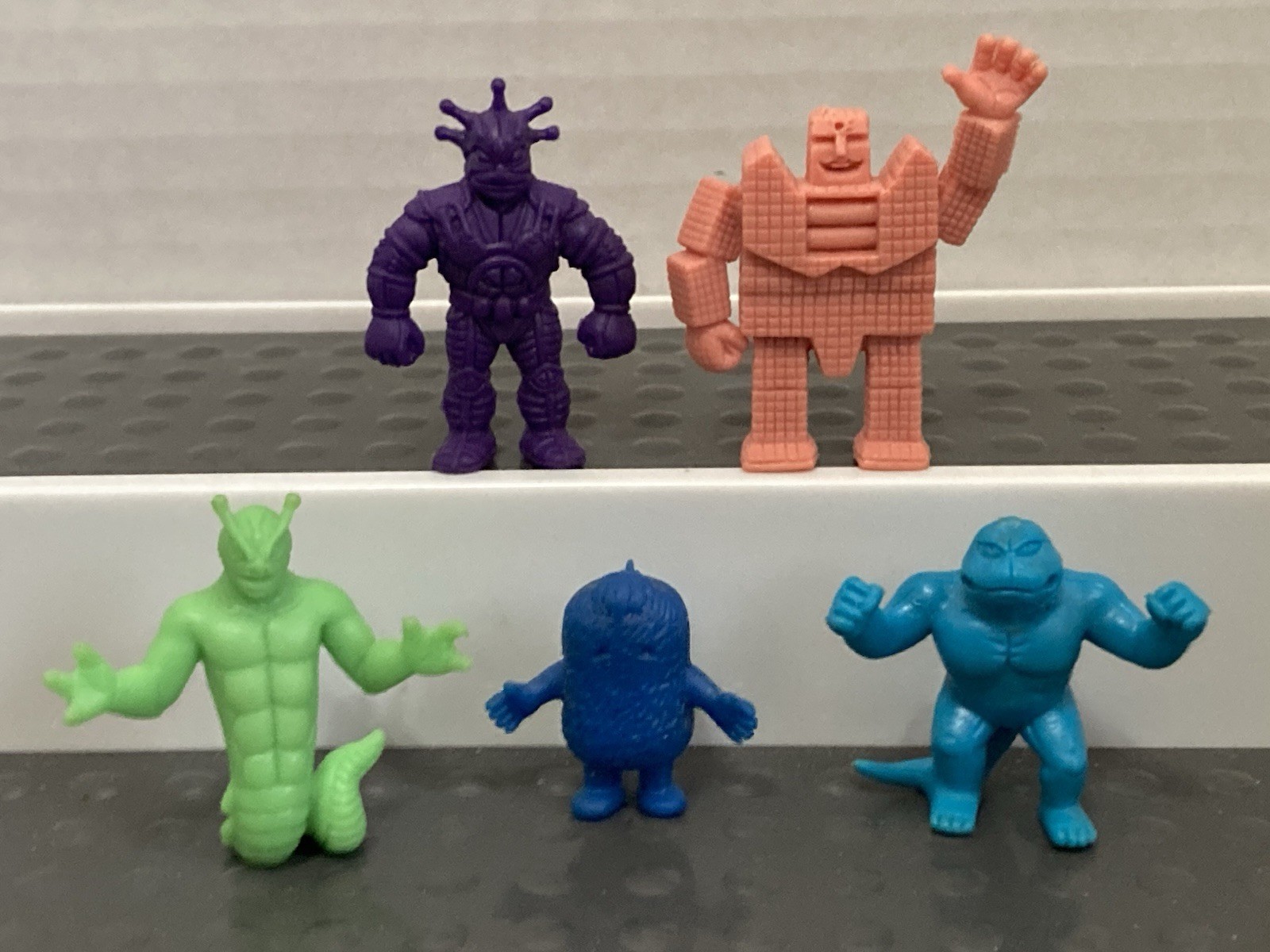
Toy color variation is the deviation in the plastic or paint coloration of a manufactured toy from the established, primary production standard. This is not merely aesthetic; it is a documented manufacturing characteristic. Variations can range from subtle shifts in hue (e.g., a slightly greener blue) to dramatic shifts in saturation or shade. These differences arise from changes in raw material batches, tooling aging, or shifts in the dye lots used during specific production runs. In collecting terms, a specific colorway is a distinct variant, not just a slight imperfection. The mainstream equivalent is "colorway," but "variation" implies a documented, sometimes intentional, deviation from the norm.
What it does to price
Color variations directly correlate to rarity and desirability, creating immediate price stratification. A highly sought-after, officially recognized color variant can command a multiplier of 2x to 10x over the standard release, depending on scarcity. Conversely, an unintended, dull, or heavily faded color due to poor storage or material degradation acts as a negative modifier, potentially reducing value by 20% to 50% compared to a pristine example. For example, a standard red figure might sell for \$50 loose, but the rare "Crimson Sunset" variant could fetch \$200+ for the same condition.
How to spot it
Identification requires meticulous comparison against known reference materials. Look for consistency across the entire piece—is the variation uniform, or is it localized? Check for specific production run markers, such as mold etchings or sticker placements, which sometimes correlate with dye lot changes. Sellers must provide high-resolution, well-lit photos showing the color in natural light, ideally next to a known standard reference piece if possible. Common pitfalls include mistaking factory "off-spec" runs (honest mistakes) for intentional, high-value variants, or accepting poorly lit photos that mask significant color shifts.
Buying smart
Paying a premium for a color variation is justifiable only when the variant is documented as rare or desirable within the community (e.g., a known "Chase" variant or a specific limited-run color). If the variation appears to be a simple, common batch fluctuation, the premium is unwarranted. A fair deal involves a price that reflects the established secondary market value for that specific colorway, not just the base price of the toy. If the seller cannot provide evidence linking the color to a known, rare production run, the premium should be heavily discounted.
Selling smart
Proving the existence and nature of a color variation is the primary driver of premium pricing. The listing must explicitly name the variant (e.g., "Rare Pearl White Variant," not just "White"). The single most effective asset is a side-by-side photo comparison, showing the item next to a known standard version, or a photo clearly detailing the specific color difference under consistent lighting. Using precise terminology in the description moves the item from a general listing to a specialized collectible listing, immediately attracting high-value buyers.
On eBay right now
Current asking prices from live listings — not sold-comp medians.


eBay links are affiliate links: JunkPal may earn a commission at no cost to you.
Resale values related to toy color variation
Shop toy color variation on eBay ↗
![Skeletor [GITD] #19 (Television)](https://storage.googleapis.com/images.pricecharting.com/kdl6fnt2h6wrc3or/240.jpg)
![Huckleberry Hound [Summer Convention Dark Blue] #1947 (Animation)](https://storage.googleapis.com/images.pricecharting.com/f4efxia7rjyzz4gl/240.jpg)
![Ghost Rider [Metallic] #18 (Marvel)](https://storage.googleapis.com/images.pricecharting.com/akz22otgkbjzzvqf/240.jpg)
![Lion-O [Flocked] #102 (Television)](https://storage.googleapis.com/images.pricecharting.com/ynqenhnpwwopxyn2/240.jpg)
![Dr. Emmett Brown [GITD] #50 (Movies)](https://storage.googleapis.com/images.pricecharting.com/tyofwrcdmo7ql4ul/240.jpg)

![Skeletor [Metallic] #19 (Television)](https://storage.googleapis.com/images.pricecharting.com/wzrskfwc6fchh2ed/240.jpg)
JunkPal may earn a commission when you buy through eBay links, at no extra cost to you.
What’s worth the most
Ranked on medians of real closed eBay sales, not asking prices.