What does “toy character variant” mean?
What it means
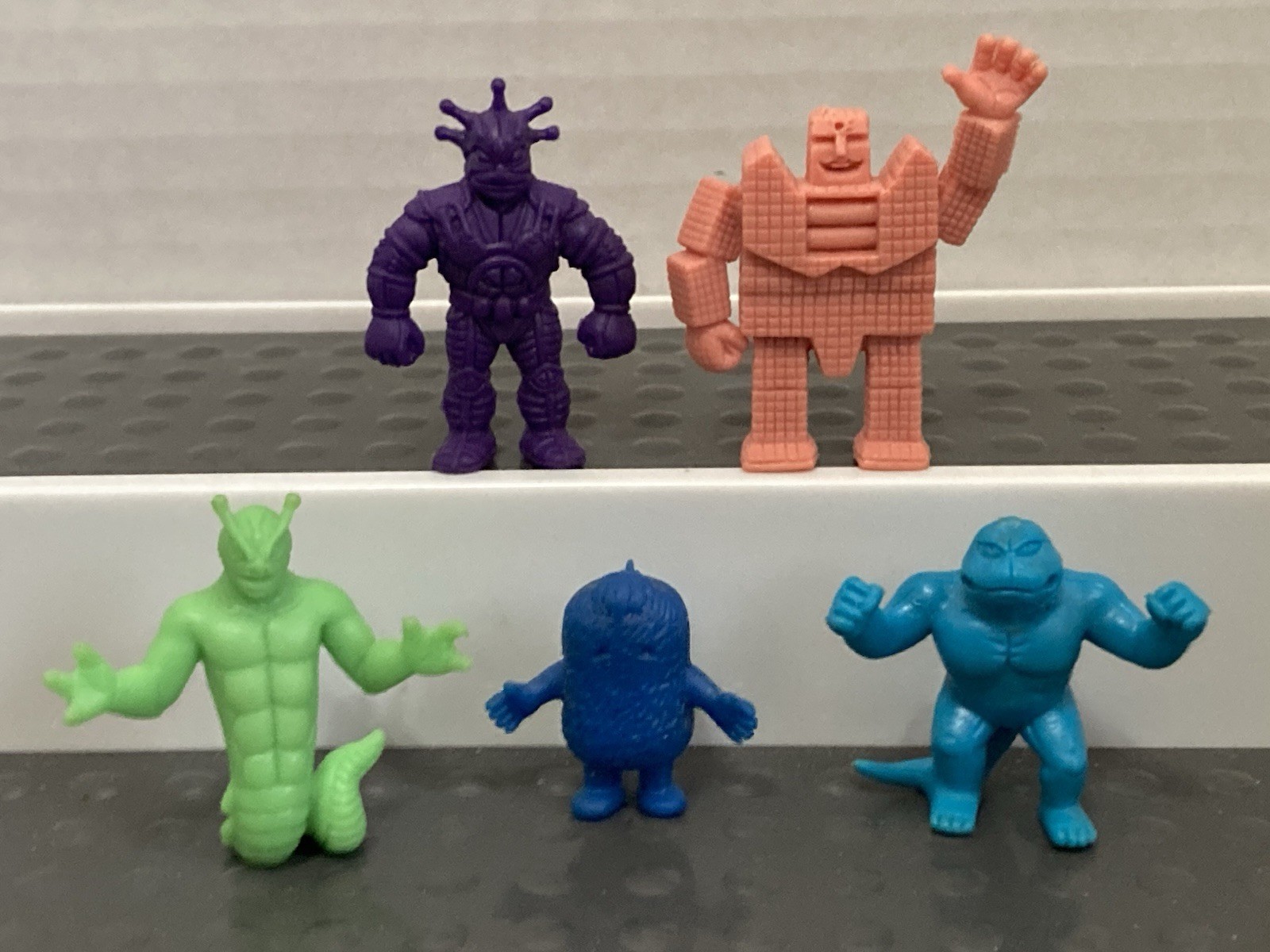
A toy character variant is a specific, non-standard iteration of an established toy line character. This goes beyond simple packaging differences. Variants arise from production deviations: different paint applications (colorways), mold changes (retooling), regional exclusivity (geo-variants), or intentional scarcity (limited editions/chase figures). The mainstream equivalent is a "sub-model" or "special edition," but in collecting, the term focuses on the *deviation* from the primary retail version. A standard release is the baseline; the variant is the deviation that impacts market value.
What it does to price
Variant status directly correlates with perceived scarcity, which drives price multipliers. A standard, mass-produced figure might sell for $20 loose. A confirmed, hard-to-find colorway variant could command 3x to 10x that price, moving into the $60 to $200+ range depending on the line's overall market saturation. Minor aesthetic changes (e.g., a slight decal shift) might only warrant a 1.2x premium. Major changes (e.g., a prototype mold or a confirmed regional exclusive) can see multipliers exceeding 5x. A simple, unverified "variant" claim without proof will see prices suppressed by 50% or more.
How to spot it
Identification requires detailed inspection. Look for production codes, SKU variations, or unique markings molded into the plastic that differ from the standard run. For paint variants, high-resolution photos showing color gradients or application thickness are necessary. Regional variants are often confirmed by language on the box or specific distributor stickers. Common pitfalls include "factory errors"—accidental misprints or paint overspray—which are often less valuable than intentional, documented variants. Always request photos of the back of the packaging or the underside of the toy itself for verification.
Buying smart
Paying a premium for a variant is justifiable when the scarcity is verifiable and the desired aesthetic difference is significant. If a collector is chasing a specific, documented colorway known to be scarce, the premium is warranted. However, paying a 5x multiplier for a variant that is merely a minor, easily reproducible packaging change is poor investment. A fair deal requires the seller to provide evidence—a photo of the production code or a documented listing from a known secondary market source confirming the variant's existence and rarity tier.
Selling smart
Listing a toy as a variant without substantiation results in lowball offers or buyer skepticism. Proving the variant status immediately elevates the perceived value. The single most effective element in a listing is a clear, high-resolution photo that highlights the specific distinguishing feature—a close-up of the unique paint application, the specific mold detail, or the unique sticker/code. Labeling it accurately (e.g., "Limited Edition Crimson Variant," not just "Red Figure") allows the listing to target the specific, higher-paying niche audience.
On eBay right now
Current asking prices from live listings — not sold-comp medians.


eBay links are affiliate links: JunkPal may earn a commission at no cost to you.
Resale values related to toy character variant
Shop toy character variant on eBay ↗![Cheshire Cat [SDCC] #35 (Disney)](https://storage.googleapis.com/images.pricecharting.com/znaeygzbpqtu5pa3/240.jpg)
![Scooby-Doo [Flocked Pink] #149 (Animation)](https://storage.googleapis.com/images.pricecharting.com/aqn7i2pxg4hm3j5f/240.jpg)

![Princess Leia Boushh Unmasked [Summer Convention] #54 (Star Wars)](https://storage.googleapis.com/images.pricecharting.com/tsjggiuoeth5bgb4/240.jpg)
![Deadpool [Metallic] #20 (Marvel)](https://storage.googleapis.com/images.pricecharting.com/o4jxtd6rddbkkgol/240.jpg)
![Aquaman [Metallic] #16 (Heroes)](https://storage.googleapis.com/images.pricecharting.com/n2nxwi3oj7jbrhwm/240.jpg)
![Tossakan [Purple] #45 (Asia)](https://storage.googleapis.com/images.pricecharting.com/4ze3nqh2q5pj7sri/240.jpg)
JunkPal may earn a commission when you buy through eBay links, at no extra cost to you.
What’s worth the most
Ranked on medians of real closed eBay sales, not asking prices.