What does “toy card art variation” mean?
What it means
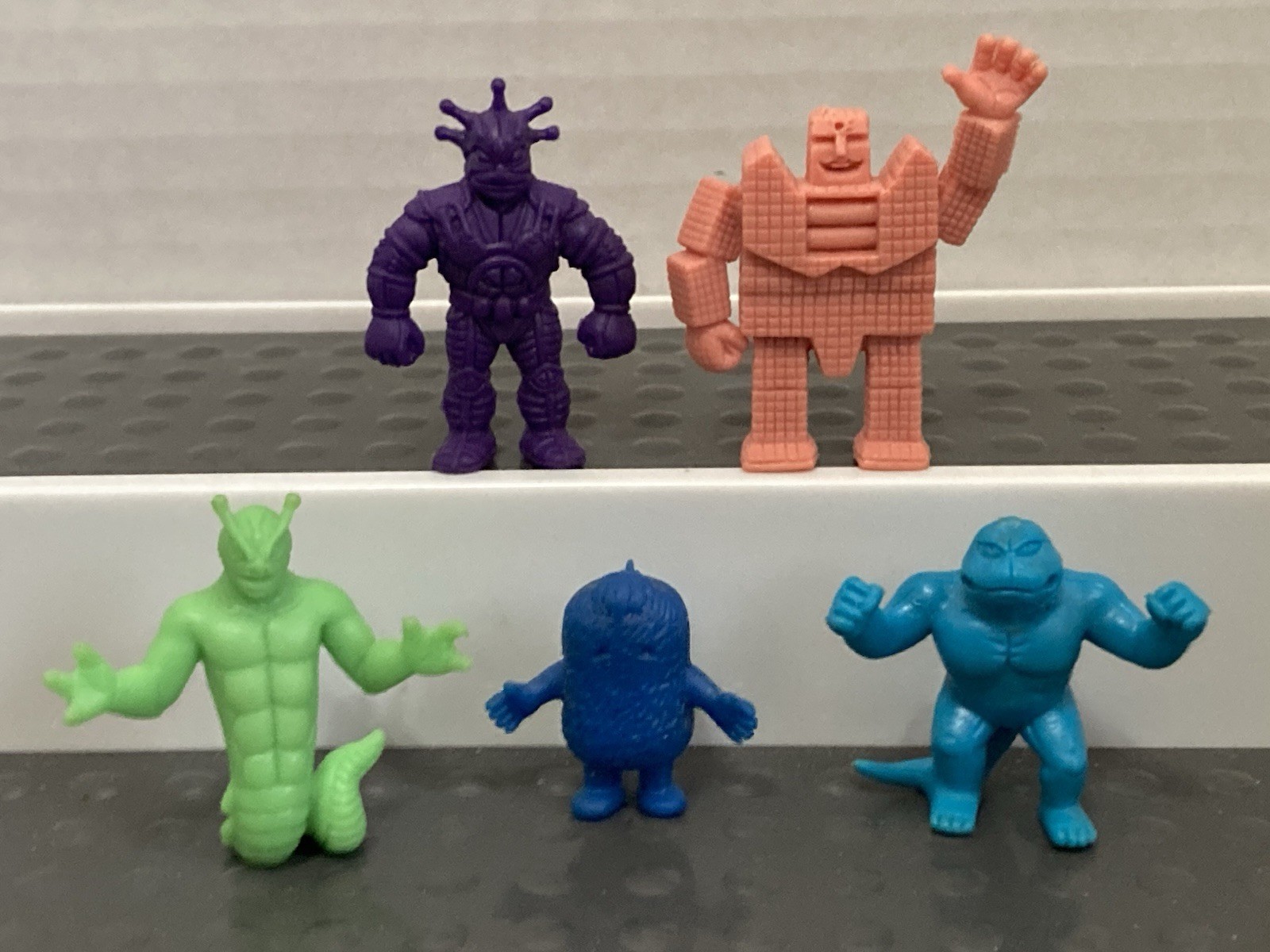
Toy card art variation refers to any discernible difference in the visual presentation of a collectible item, specifically the artwork printed on packaging or the toy itself. This is more specific than general "condition" variations. These differences are not accidental wear; they are intentional or incidental production changes. Examples include shifts in color palette (e.g., a specific shade of blue used on the card backing), alterations to background graphics, minor changes in character sculpt or accessory inclusion, or unique print runs associated with specific distribution windows (e.g., a regional variant only released in Japan). The mainstream equivalent is "print error" or "production variant," but in collecting, "art variation" covers intentional aesthetic shifts as well.
What it does to price
Art variations directly affect scarcity, which drives value. A confirmed, documented variation—such as a specific "prototype" or "early print run" art treatment—can introduce multipliers ranging from 2x to 10x the base value of the standard release. Minor, unverified color shifts might only add 10-20%. Conversely, a variation that is later mass-produced or is easily replicated by counterfeiters will see no price premium. For example, if a standard action figure retails for $20, a verified, rare art variation might command $50-$80 depending on its documented scarcity.
How to spot it
Spotting variations requires high-resolution comparison. Key tells include microscopic examination of print registration (how aligned the colors are), specific text placement errors, or subtle differences in the background texture. Sellers must provide multiple, high-resolution photos, including close-ups of the specific area in question (e.g., the character's helmet decal, the card border). Common honest mistakes are minor printing smudges or dust inclusions, which are *not* art variations. Fakes often attempt to replicate the variation but fail on the print quality or the specific registration details. Cross-reference the item against known catalog images for the specific line.
Buying smart
Paying a premium for an art variation is justified only when the variation is documented, confirmed as rare, and the seller can provide verifiable proof of its authenticity and limited distribution. If the variation is merely a slight, unverified color difference, the premium is likely inflated speculation. A fair deal involves the asking price being within 1.5x to 3x the established market value of the standard version, contingent on the variation being recognized by established community standards. If the seller cannot definitively prove the rarity, the item should be treated as standard stock.
Selling smart
To maximize return, the listing must explicitly name the variation. Generic descriptions yield standard prices. The single most effective element is a side-by-side photo comparison: one image showing the standard version next to the item being sold, clearly highlighting the difference. Using precise terminology (e.g., "Red Sky Variant," "Batch 001 Art Run") immediately signals expertise to knowledgeable buyers, allowing the seller to command the scarcity premium without negotiation.
On eBay right now
Current asking prices from live listings — not sold-comp medians.


eBay links are affiliate links: JunkPal may earn a commission at no cost to you.
Resale values related to toy card art variation
Shop toy card art variation on eBay ↗![Freddy Funko Fred Flintstone [Blue] #51 (Freddy Funko)](https://storage.googleapis.com/images.pricecharting.com/3biiycid6pwgllp2/240.jpg)
![Freddy Funko Bumble [GITD] #13 (Freddy Funko)](https://storage.googleapis.com/images.pricecharting.com/ynpkfj2d2k3rwjgy/240.jpg)
![Freddy Funko Vendetta [Metallic] #14 (Freddy Funko)](https://storage.googleapis.com/images.pricecharting.com/53rcctmd7zwstpzs/240.jpg)
![Huckleberry Hound [Green] #15 (Animation)](https://storage.googleapis.com/images.pricecharting.com/jjmeujathy57rkgj/240.jpg)
![Freddy Funko [Batman] #SE (Freddy Funko)](https://storage.googleapis.com/images.pricecharting.com/xhm7uei4bfxmqkio/240.jpg)

![Freddy Funko Heimdall [Dark] #29 (Freddy Funko)](https://storage.googleapis.com/images.pricecharting.com/ai3gvxzkfgn6nkef/240.jpg)
![Freddy Funko Stan Lee [Blue] #41 (Freddy Funko)](https://storage.googleapis.com/images.pricecharting.com/su2vepdqebeud3m7/240.jpg)
JunkPal may earn a commission when you buy through eBay links, at no extra cost to you.
What’s worth the most
Ranked on medians of real closed eBay sales, not asking prices.