What does “toy brand” mean?
What it means
A toy brand is the specific corporate entity or intellectual property (IP) responsible for creating a toy line. Examples include Hasbro, LEGO, or Bandai. In the collecting sphere, the brand name functions as the primary catalog identifier, often superseding the toy’s specific model number. It represents the manufacturer’s reputation, the IP's cultural relevance, and the perceived quality standard. This is not merely a label; it is a shorthand for a known history of design, production quality, and market recognition.
What it does to price
Brand recognition acts as a significant, non-linear multiplier on value. A desirable, established brand (e.g., vintage Star Wars, high-end LEGO sets) can increase the baseline price of a common item by 3x to 10x compared to an unbranded or obscure competitor. Conversely, a poorly known or defunct brand with no established collector base will see minimal premium, often selling near cost. For example, a generic, unbranded plastic spaceship might sell for $5 loose, but the same item manufactured under the recognizable "Transformers" brand, even if slightly damaged, could command $25-$40 due to brand equity alone.
How to spot it
Verification requires checking multiple points. Look for clear, consistent branding on the packaging, instruction manuals, and the toy itself (e.g., copyright dates, manufacturer logos molded into plastic). For vintage items, cross-reference specific mold markings or production codes associated with that brand’s era. Common pitfalls include "re-releases" that mimic older packaging without the original licensing, or counterfeit items where the logo is poorly printed or misaligned. Always request high-resolution photos of the copyright stamps and the box seams.
Buying smart
Paying a premium for a brand is justified when the brand is intrinsically tied to high-quality execution or scarcity. Invest heavily in brands known for limited production runs (e.g., certain designer vinyl lines) or those with undeniable cultural significance (e.g., original G.I. Joe figures). Avoid overpaying for a brand simply because it is famous; if the specific item is mass-produced and lacks unique features, the premium is inflated. A fair deal means the price reflects the item's condition *plus* a reasonable premium for the brand's established demand, not just the brand name itself.
Selling smart
Proving the brand is authentic and desirable is the fastest way to command top dollar. Listing descriptions must explicitly name the IP and manufacturer. The single most valuable piece of evidence is a clear, well-lit photograph of the original, unbroken packaging showing the official brand logo and any edition/production stickers. Using precise brand terminology (e.g., "Vintage Kenner," "LEGO Classic Series") immediately filters buyers and signals authenticity, allowing the seller to anchor the price at the higher end of the market spectrum.
On eBay right now
Current asking prices from live listings — not sold-comp medians.
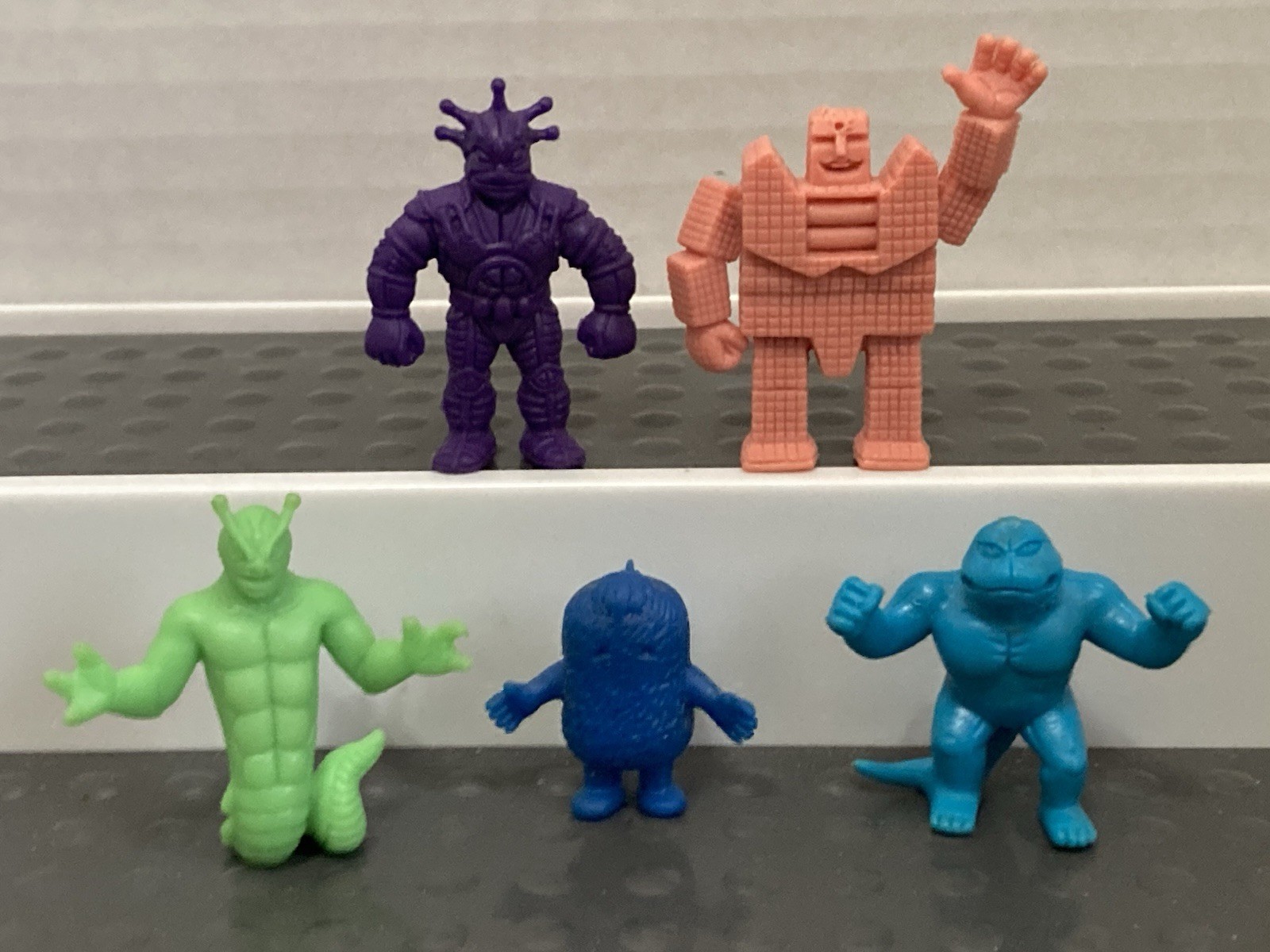


eBay links are affiliate links: JunkPal may earn a commission at no cost to you.
Resale values related to toy brand
Shop toy brand on eBay ↗![Steamboat Willie [D23] #24 (Disney)](https://storage.googleapis.com/images.pricecharting.com/24bkzfe6wtobrgku/240.jpg)
![Hawkman [Metallic] #17 (Heroes)](https://storage.googleapis.com/images.pricecharting.com/ye34olsq2kzpoxgt/240.jpg)
![Marcus Fenix [SDCC Black Lancer With Head] #112 (Games)](https://storage.googleapis.com/images.pricecharting.com/wfrqtgqrmk4iw7ku/240.jpg)
![Green Goblin [GITD] #109 (Marvel)](https://storage.googleapis.com/images.pricecharting.com/izbwrg7mqo2h5tqb/240.jpg)

![Freddy Funko As Optimus Prime [Blacklight] #SE (Freddy Funko)](https://storage.googleapis.com/images.pricecharting.com/hebs5on3xftczlso/240.jpg)
JunkPal may earn a commission when you buy through eBay links, at no extra cost to you.
What’s worth the most
Ranked on medians of real closed eBay sales, not asking prices.