What does “toy battle damage” mean?
What it means
Toy battle damage refers to superficial cosmetic wear incurred during normal play. This includes surface-level imperfections such as light scuffs on plastic, minor paint chipping, small abrasions, or negligible dents that do not affect the toy's mechanical function or integrity. It is distinct from structural damage, which involves breakage, missing parts, or compromised articulation. In collecting, this wear is categorized by severity. Minor wear is often termed "light play wear," while extensive damage is categorized as "heavily played with."
What it does to price
Condition dictates value tiers. A Mint in Box (MIB) or Complete in Box (CIB) item establishes the ceiling price. Moving to Loose/Played With (LW) status typically results in a 30% to 60% reduction from the MIB price, depending on the extent of the damage. Light, aesthetically pleasing wear on an otherwise high-grade toy might only incur a 10-20% reduction. Conversely, heavy, distracting damage can reduce value by 70% or more. For example, a highly sought-after figure in pristine condition might sell for $100; the same figure with visible paint chipping across the torso might sell for $65-$75.
How to spot it
Damage manifests as surface deviations. Scuffs appear as fine, often white or gray lines on colored plastic. Paint chips are localized areas where the factory finish has flaked off, revealing the base plastic underneath. Dents are noticeable depressions, usually visible under direct light. To assess accurately, sellers must provide high-resolution, well-lit photos taken from multiple angles, specifically close-ups of high-wear areas (joints, edges). A common mistake is mislabeling light scuffing as "heavy damage." Authentic wear is usually distributed; concentrated, deep gouges are often signs of rough handling or accidental impact, not typical play.
Buying smart
Paying a premium for battle damage is justifiable only when the item is otherwise rare, highly desirable, or when the wear is minimal and aesthetically minor. If the damage is extensive, compromises articulation, or obscures key details, the premium is unwarranted. A fair deal involves the asking price reflecting the documented condition tier. If a seller lists a "Light Play Wear" item but the photos show significant chipping, the buyer should negotiate down to match the visible condition, aiming for a price closer to a heavily played-with grade.
Selling smart
Transparency regarding battle damage maximizes realized value. Do not attempt to mask minor scuffs; list the condition accurately (e.g., "VG - Visible paint wear on left boot"). The single most valuable asset in a listing is a close-up photo specifically highlighting the damage, captioned clearly (e.g., "Note: Small chip on shoulder, see photo 4"). This manages buyer expectations, preventing returns based on condition disputes and allowing the seller to price the item accurately within the established condition tiers.
On eBay right now
Current asking prices from live listings — not sold-comp medians.


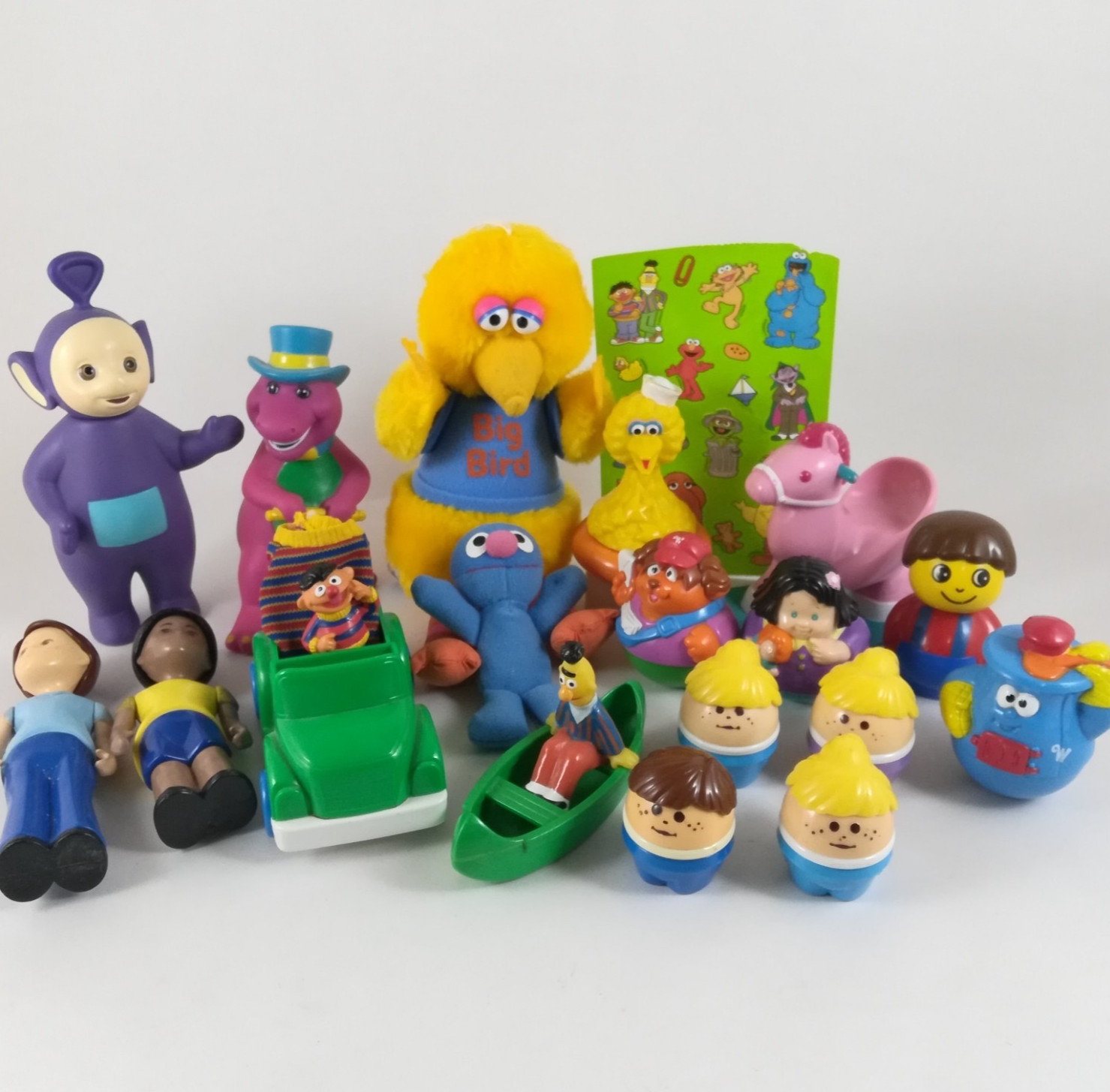


eBay links are affiliate links: JunkPal may earn a commission at no cost to you.
Resale values related to toy battle damage
Shop toy battle damage on eBay ↗![Jack [CCXP22] #1181 (Animation)](https://storage.googleapis.com/images.pricecharting.com/5ax2mz7wrn3qz6qo/240.jpg)
![Donatello [Metallic] #60 (Television)](https://storage.googleapis.com/images.pricecharting.com/5ehv2wdgm3mkkfb6/240.jpg)




![Bruce Lee Kicking [San Fransisco Giants - Orange] #592 (Movies)](https://storage.googleapis.com/images.pricecharting.com/tloc5jtmmdjh5x25/240.jpg)
JunkPal may earn a commission when you buy through eBay links, at no extra cost to you.
What’s worth the most
Ranked on medians of real closed eBay sales, not asking prices.