What does “toy auction” mean?
What it means
A toy auction is a structured, public sales event where multiple bidders compete for ownership of listed toys. This is distinct from a fixed-price listing on a marketplace. The core mechanism is competitive bidding. In the collecting niche, this applies to everything from sealed, mint-in-box (MIB) action figures to loose, complete vintage playsets. The platform can be physical (e.g., a convention show sale) or digital (e.g., eBay auction format). The value is not set by a fixed retail price but by the highest willingness to pay among participants.
What it does to price
Auction dynamics introduce volatility. A rare, high-demand item can see prices exceed retail multiples by 3x to 10x, especially if the item is part of a "lot" that includes other desirable pieces. Conversely, an item with unclear provenance or poor condition can sell for less than 10% of its estimated value. Factors driving prices up include confirmed scarcity (low production numbers) and recent high-profile sales of the same item. A loose, rare 1980s Star Wars figure might sell for $150 at auction, whereas a standard retail price for a similar, less desirable item might be $40.
How to spot it
When evaluating an item listed in an auction context, the primary tells relate to condition documentation. Sellers must provide high-resolution photos showing all angles, including packaging seals and any visible wear marks. For vintage items, look for production codes or copyright stamps that confirm the release year. Common pitfalls include "lotting"—grouping unrelated, low-value items with one high-value item to inflate the perceived value of the whole lot. Always request close-ups of any apparent damage or missing accessories before placing a bid.
Buying smart
Paying a premium at auction is justified when the item is confirmed to be a "grail" piece—a highly sought-after, verifiable rarity with strong secondary market demand. This is appropriate when the competition is fierce and the item’s scarcity is proven. It is not worth the premium when the item is common, or when the auction platform lacks transparency regarding previous sales data. A fair deal is one where the final bid is within 15-25% of the established high-end comparable sales data for that specific variant.
Selling smart
To maximize returns in an auction environment, the listing must preemptively address condition and provenance. A single, clear photograph showing the item's serial number or a certificate of authenticity (COA) instantly elevates perceived value. The word "Verified" or "Authenticated" in the description, backed by evidence, signals to bidders that the item is not a speculative risk. This level of certainty allows sellers to anchor their starting bid higher, knowing the risk of a buyer dispute is significantly reduced.
On eBay right now
Current asking prices from live listings — not sold-comp medians.
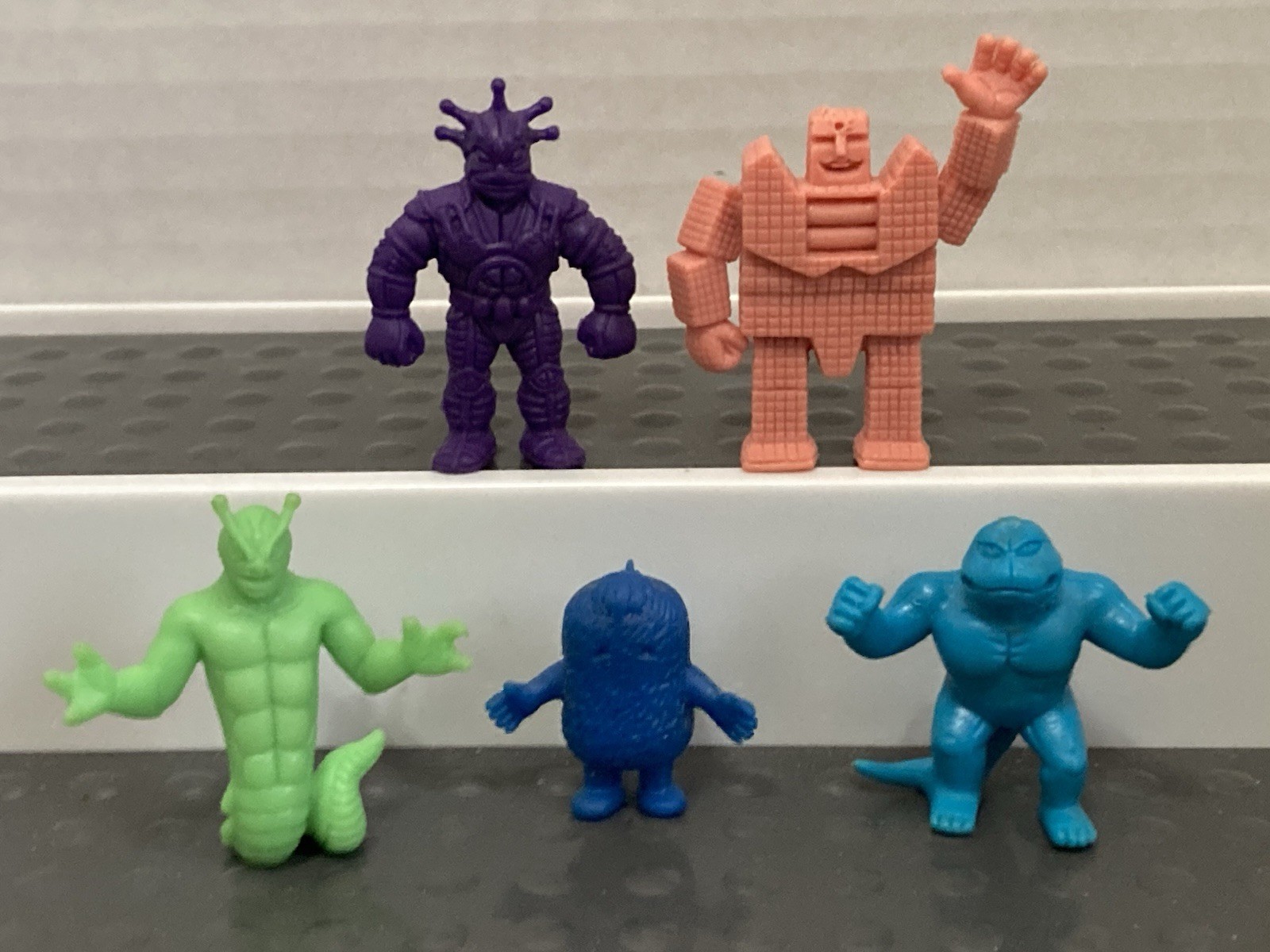


eBay links are affiliate links: JunkPal may earn a commission at no cost to you.
Resale values related to toy auction
Shop toy auction on eBay ↗
![Freddy Funko As Star-Lord [Blacklight] #SE (Freddy Funko)](https://storage.googleapis.com/images.pricecharting.com/66icgzw36lopsd6y/240.jpg)
![Freddy Funko Steve Harrington [With Sunglasses] #SE (Freddy Funko)](https://storage.googleapis.com/images.pricecharting.com/pp6bxaavvzng4b2m/240.jpg)
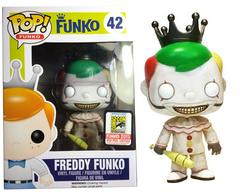


![Boo Berry [SDCC] #3 (Ad Icons)](https://storage.googleapis.com/images.pricecharting.com/lupnikjhlcyagzyx/240.jpg)
![Freddy Funko [SDCC Blue Ranger] #SE (Freddy Funko)](https://storage.googleapis.com/images.pricecharting.com/rzfe2c2kkvudftqr/240.jpg)
JunkPal may earn a commission when you buy through eBay links, at no extra cost to you.
What’s worth the most
Ranked on medians of real closed eBay sales, not asking prices.