What does “toy archive” mean?
What it means
A toy archive is a systematically organized collection of toys deemed historically, culturally, or commercially significant. It is more than just a collection; it implies curation—a deliberate grouping based on criteria like era, manufacturer, or specific narrative. The mainstream equivalent is a specialized museum collection or a highly documented private library. For the reseller, the archive context signifies completeness and verifiable provenance. Loose toys are inventory; archive pieces are documented artifacts.
What it does to price
Archival status applies a significant premium. A complete, documented set, especially one with original promotional materials, can command multipliers of 3x to 10x compared to the same items sold individually and loose. Mint-in-Box (MIB) condition is the baseline for archival value. A rare, loose action figure might sell for \$150; the same figure documented within a complete, sealed, era-specific archive set can fetch \$450 to \$600, depending on the rarity of the surrounding pieces. Missing one key piece or having damaged original paperwork can instantly drop the value by 20-40%.
How to spot it
Identifying an archive requires looking beyond the toy itself. Examine the packaging for manufacturing codes, copyright dates, and regional variations. Look for accompanying documentation: original instruction sheets, warranty cards, or collector guides. A genuine archive will have consistent cataloging—e.g., all pieces from the 1982 line are grouped together. Common mistakes include "wish lists" masquerading as archives (lacking documentation) or "misfiled" collections (lacking systematic organization). Always request high-resolution photos of the box seams and any included paper inserts.
Buying smart
Paying the premium for an archive is justified when the collection fills a specific gap in a known historical line or represents a complete, documented run of a manufacturer. If the collection is merely a random assortment of old toys, the premium is unwarranted. A fair deal involves a clear inventory list matching the asking price. If the seller cannot provide a verifiable list or provenance trail, the price should be discounted by at least 30% to account for verification risk.
Selling smart
To maximize returns, the listing must frame the item as an archive, not a lot of old toys. The primary lever is documentation. Instead of listing "Boxed Toy," list "Complete 1978 Space Fleet Archive Set." The single most valuable element to photograph is the inventory sheet or the main display case showing the organization. Using the term "Archival Grade" or "Documented Collection" immediately signals to high-tier buyers that the item is investment-grade, not just collectible.
On eBay right now
Current asking prices from live listings — not sold-comp medians.
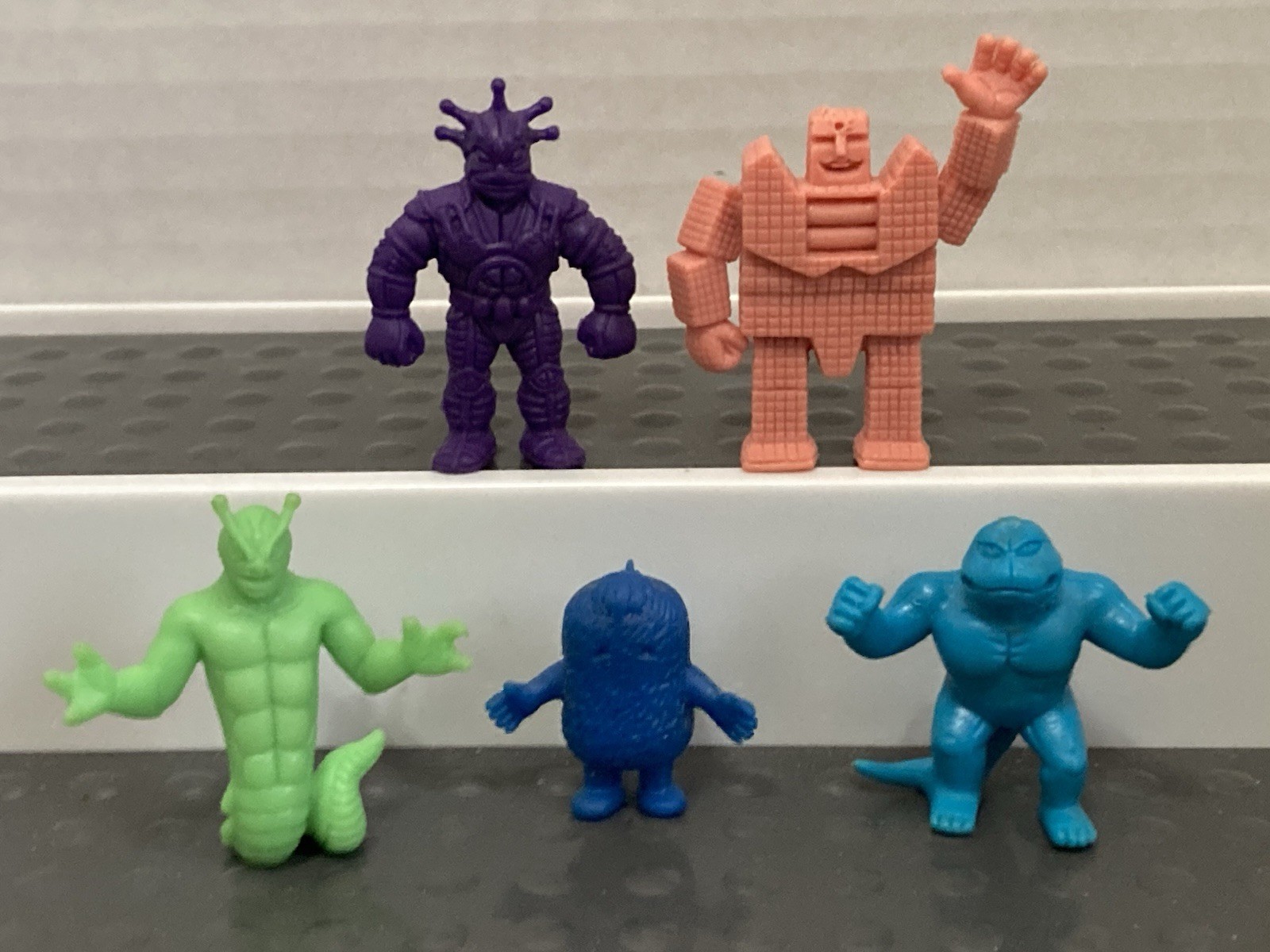


eBay links are affiliate links: JunkPal may earn a commission at no cost to you.
Resale values related to toy archive
Shop toy archive on eBay ↗![Freddy Funko Pink Hair [SDCC] #SE (Freddy Funko)](https://storage.googleapis.com/images.pricecharting.com/2ssbuzc2k7p3uovu/240.jpg)

![Billy [GITD SDCC] #52 (Movies)](https://storage.googleapis.com/images.pricecharting.com/fa3pxsuhvgaziukq/240.jpg)
![Freddy Funko As Chuckie [Purple Reptar] #SE (Freddy Funko)](https://storage.googleapis.com/images.pricecharting.com/44ekoa3vkmi47z5t/240.jpg)
![Murloc [Green, GITD] #33 (Games)](https://storage.googleapis.com/images.pricecharting.com/b4gnqe4yood3rou5/240.jpg)
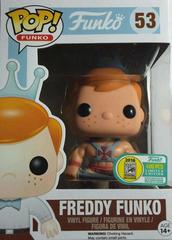
![Superman [NYCC] #7 (Heroes)](https://storage.googleapis.com/images.pricecharting.com/y6y54wdnsavjfaik/240.jpg)

JunkPal may earn a commission when you buy through eBay links, at no extra cost to you.
What’s worth the most
Ranked on medians of real closed eBay sales, not asking prices.