What does “toy aftermarket” mean?
What it means
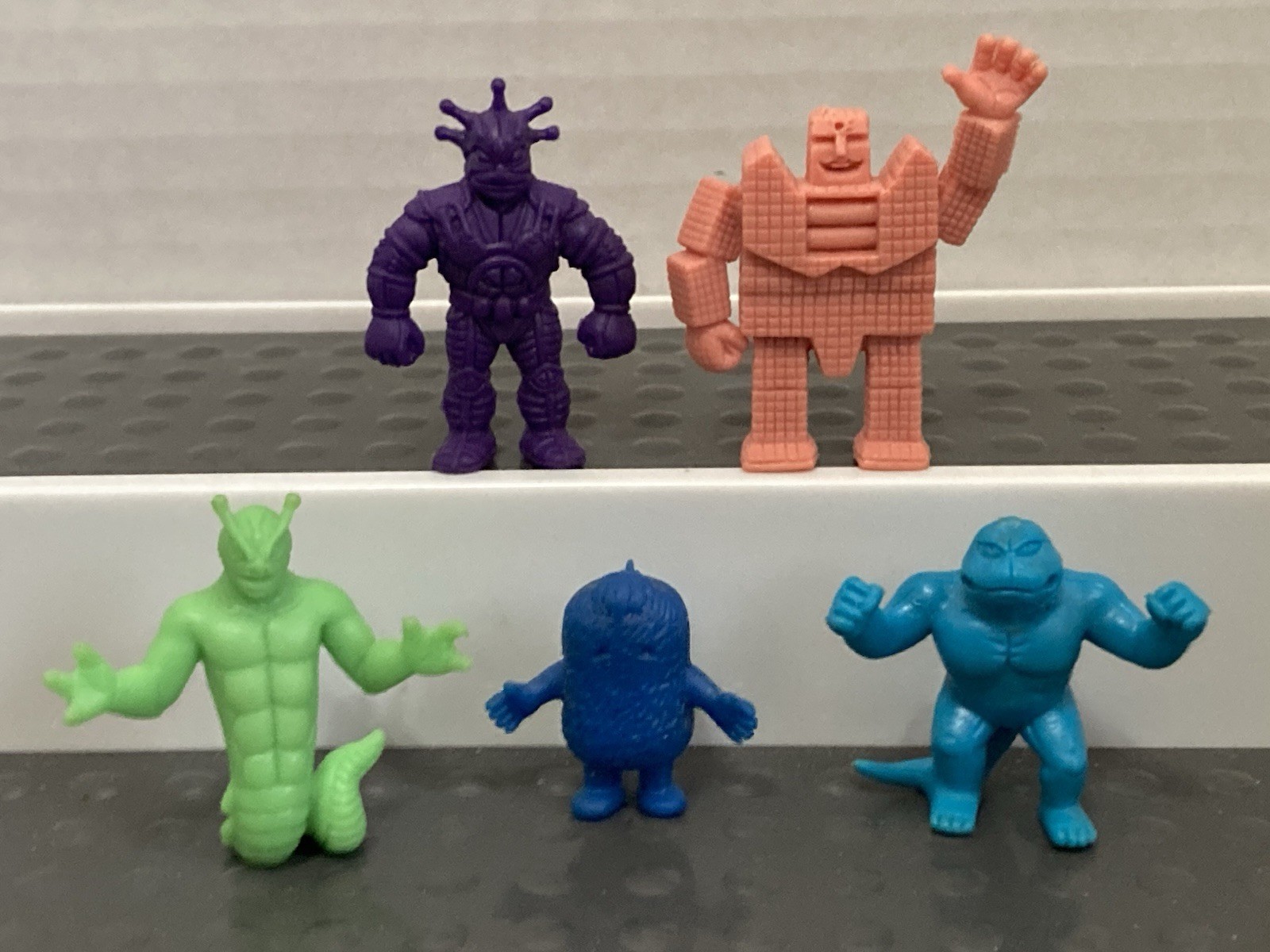
Toy aftermarket is the secondary market for toys. It is all sales conducted outside of the original manufacturer's retail distribution. This includes used, vintage, rare, or customized items traded between collectors and resellers. The mainstream equivalent is the resale market. This market dictates a toy's current valuation, which is volatile. Value shifts based on scarcity, condition, and demand within specific collector communities. A toy's aftermarket value is not static; it can increase dramatically if a limited production run was issued or if it gains relevance due to a popular media tie-in.
What it does to price
Condition is the primary price driver. A Complete In Box (CIB) copy typically commands a 1.5x to 3x premium over a loose, playable example, assuming comparable wear. Packaging condition is critical; box damage (creases, tears, sun fading) can reduce value by 20-40%. Limited edition variants or error pieces can see exponential increases, sometimes 10x or more over standard retail pricing. Conversely, common, mass-produced items in poor condition might sell for less than their original retail cost. For example, a common 1990s action figure in mint condition might sell for $15, while the same figure, heavily played with and missing accessories, might fetch $5.
How to spot it
Identifying aftermarket value requires detailed inspection. Look for edition markers, specific production codes, or unique paint applications that denote a limited run. Sellers must provide high-resolution photos of all angles, especially the packaging seams and any visible copyright stamps. Common issues include "bait and switch" listings where a seller misrepresents a common item as rare. Another common pitfall is accepting a toy described as "mint" when it has minor stress marks on the plastic or box corners. Always request photos showing the item next to a known reference object for scale verification.
Buying smart
Paying a premium in the aftermarket is justified when the item is confirmed rare, has verifiable provenance (e.g., factory sample), or is essential to completing a high-value collection. A fair deal involves a price that aligns with recent, documented sales data, not just the asking price. If the asking price is significantly higher than established auction averages, the premium is likely inflated. If the item is common and the premium is high, the risk of overpaying is substantial.
Selling smart
To maximize return, the listing must prove authenticity and condition. Providing clear, well-lit photographs showing the item's completeness (accessories present) and condition (no major flaws) is mandatory. The single most effective word in a listing description is "Verified" or "Authenticated," especially when dealing with high-end or potentially counterfeit items. Explicitly stating the item's edition number or production year immediately separates a standard listing from a premium, high-value offering.
On eBay right now
Current asking prices from live listings — not sold-comp medians.


eBay links are affiliate links: JunkPal may earn a commission at no cost to you.
Resale values related to toy aftermarket
Shop toy aftermarket on eBay ↗![Rorschach [Bloody] #24 (Movies)](https://storage.googleapis.com/images.pricecharting.com/tnnl6dkj6mkf3w4q/240.jpg)
![The Demon [GITD] #4 (Rocks)](https://storage.googleapis.com/images.pricecharting.com/jwhs5a4ywoejokwj/240.jpg)

![Spartan Warrior [SDCC] #5 (Halo)](https://storage.googleapis.com/images.pricecharting.com/3pwjfwehb44nzgey/240.jpg)


JunkPal may earn a commission when you buy through eBay links, at no extra cost to you.
What’s worth the most
Ranked on medians of real closed eBay sales, not asking prices.