What does “third run” mean?
What it means
A third run is a production batch of a toy released after the initial manufacturing run. This is not simply a re-release; it is a distinct, subsequent production cycle. Manufacturers initiate these runs for various reasons, including market saturation, addressing regional demand, or utilizing leftover tooling. In the collecting niche, the term implies a specific point in the product's lifecycle. It is distinct from a "reissue," which is often a modern re-tooling of an older mold. A third run is a continuation of the original production line, albeit later.
What it does to price
Price impact is highly variable. Generally, a third run is valued below the first run, which often sets the benchmark. A CIB (Complete In Box) third run might fetch 0.5x to 1.2x the price of a comparable first run. Factors that significantly elevate value include documented scarcity—if the third run was deliberately limited—or if it features a highly desirable variant (e.g., a specific colorway only produced in that batch). Conversely, if the third run shows clear signs of quality degradation (e.g., softer plastic, shallower paint applications), the price can drop by 30% or more. A $100 first run might sell for $70 if the third run is visibly lower quality.
How to spot it
Identification relies on manufacturing markers. Check the copyright dates or mold numbers stamped on the packaging or the toy itself. A shift in the date or a change in the part number sequence indicates a new production cycle. Paint application is a key visual tell; third runs often exhibit slightly different paint registration or a less vibrant finish compared to the first run's sharpest application. Request high-resolution photos of the back of the card or the underside of the toy. Be wary of "factory seconds" disguised as third runs; these are often damaged pieces, not intentional production variants.
Buying smart
Paying a premium for a third run is justifiable only when verifiable documentation proves that the batch itself was a limited or special edition, or if the run contains a unique, sought-after variation. If the third run is simply a standard continuation of production, the premium is rarely warranted unless the item is otherwise unattainable. A fair deal involves a price that reflects the lower perceived scarcity compared to the initial release, typically settling in the 60-80% range of the first run's established market value, barring unique variants.
Selling smart
Proving the run number significantly influences buyer confidence and willingness to pay. Listing the specific run number (e.g., "Third Run, Batch C") immediately filters out casual buyers and targets informed collectors willing to pay for authenticity. The single most effective piece of evidence is a clear, well-lit photograph of the specific production code or date stamp. This single photo shifts the listing from a generic item to a documented artifact, justifying a higher price point within the established third-run valuation bracket.
On eBay right now
Current asking prices from live listings — not sold-comp medians.

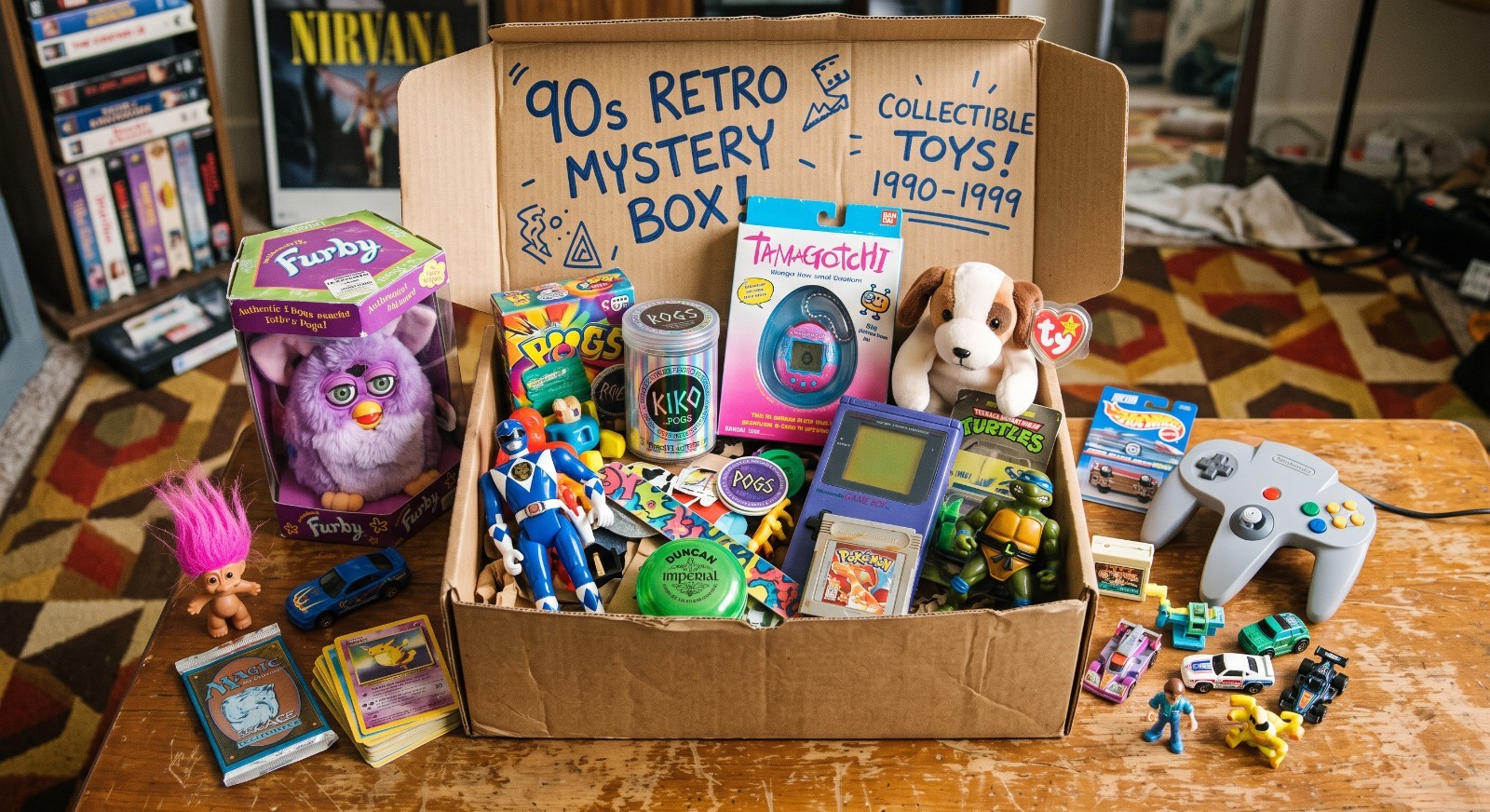

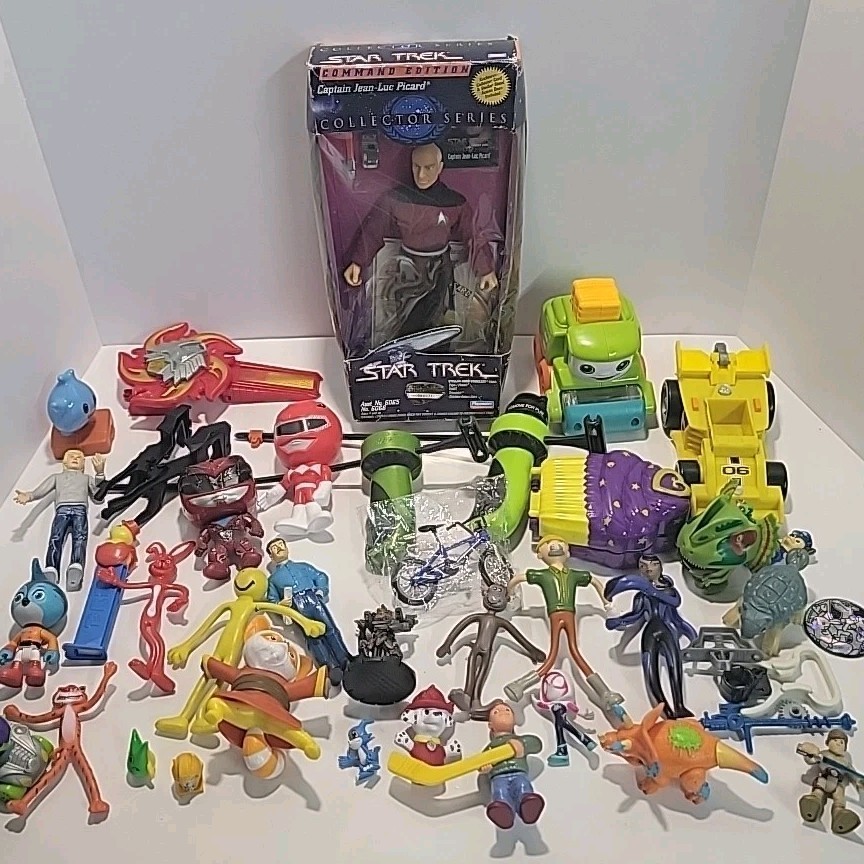


eBay links are affiliate links: JunkPal may earn a commission at no cost to you.
Resale values related to third run
Shop third run on eBay ↗
![James Gunn [Fall Convention] #471 (Movies)](https://storage.googleapis.com/images.pricecharting.com/hbqsvbkidjp2kd2x/240.jpg)
![Scooby-Doo [Flocked Green] #149 (Animation)](https://storage.googleapis.com/images.pricecharting.com/hllmvizn6kfyezoa/240.jpg)
![Robin [Chase DC Universe] #2 (Heroes)](https://storage.googleapis.com/images.pricecharting.com/zd6gpyjk6iavpv6j/240.jpg)
![Eric Davis [Silver] #52 (Mlb)](https://storage.googleapis.com/images.pricecharting.com/2wbrdnfptbkestq7/240.jpg)
![Maka [Hot Topic Pre-Release] #80 (Animation)](https://storage.googleapis.com/images.pricecharting.com/7fzms53nrs6gtie5/240.jpg)

JunkPal may earn a commission when you buy through eBay links, at no extra cost to you.
What’s worth the most
Ranked on medians of real closed eBay sales, not asking prices.