What does “stress crack” mean?
What it means
A stress crack is a structural failure, manifesting as a fine, linear fracture in the plastic, vinyl, or composite material of a toy. This is not merely surface scuffing; it indicates material fatigue or localized stress exceeding the material's tensile strength. Mainstream equivalent: a hairline fracture. In the collecting niche, this is a significant condition fault. It is distinct from paint chipping or superficial scratching. The crack represents an inherent material weakness that compromises the toy's integrity, regardless of how small it appears.
What it does to price
Stress cracks negatively impact value by immediately downgrading the condition grade (e.g., from Near Mint to Good or Fair). The impact is non-linear. A hairline crack on an otherwise perfect piece can reduce value by 15% to 30%. A deep, propagating fissure that compromises a major joint or structural element can drop value by 50% or more, effectively turning it into a repair/parts piece. For example, a rare, mint-in-box (MIB) figure valued at $100 might sell for $75 if it has a noticeable stress crack on the torso. Conversely, a piece with a minor, barely visible hairline crack might only see a 10% reduction, selling for $90.
How to spot it
Cracks are often invisible under casual viewing. Look closely at high-stress points: joints (shoulders, knees), sharp corners, and areas where two molded pieces meet. Under direct, bright light, hairline cracks often catch the light differently than the surrounding plastic. Sellers must provide high-resolution macro photography focused specifically on these stress points. Common honest mistakes include minor stress fractures developing near injection points or seams, which are often unavoidable in mass production. Fakes rarely replicate the subtle, material-fatigue pattern of a genuine stress crack; they are usually sharp, deliberate breaks.
Buying smart
Paying a premium for a toy with a documented stress crack is only justifiable if the crack is microscopic, non-structural, and the toy is otherwise flawless (i.e., the crack is less than 1mm long and does not affect articulation). If the crack is visible, runs across a primary visual surface, or affects a load-bearing joint, the price must reflect a significant discount—at least 30% off the grade-equivalent pristine version. A fair deal involves a price that accounts for the necessary cosmetic depreciation, not just the minor flaw.
Selling smart
Transparency regarding stress cracks dictates the buyer pool and the price ceiling. Listing the item as "Mint" or "Near Mint" while concealing a crack guarantees disputes and returns. The optimal approach is to list it with a specific condition note: "Good condition, minor stress crack noted on left thigh joint." Including a clear, well-lit photo of the crack, even if small, allows the buyer to self-assess the damage severity. This preemptive documentation manages expectations, prevents haggling over hidden faults, and allows the seller to command a price based on the *known* condition, rather than the *potential* condition.
On eBay right now
Current asking prices from live listings — not sold-comp medians.
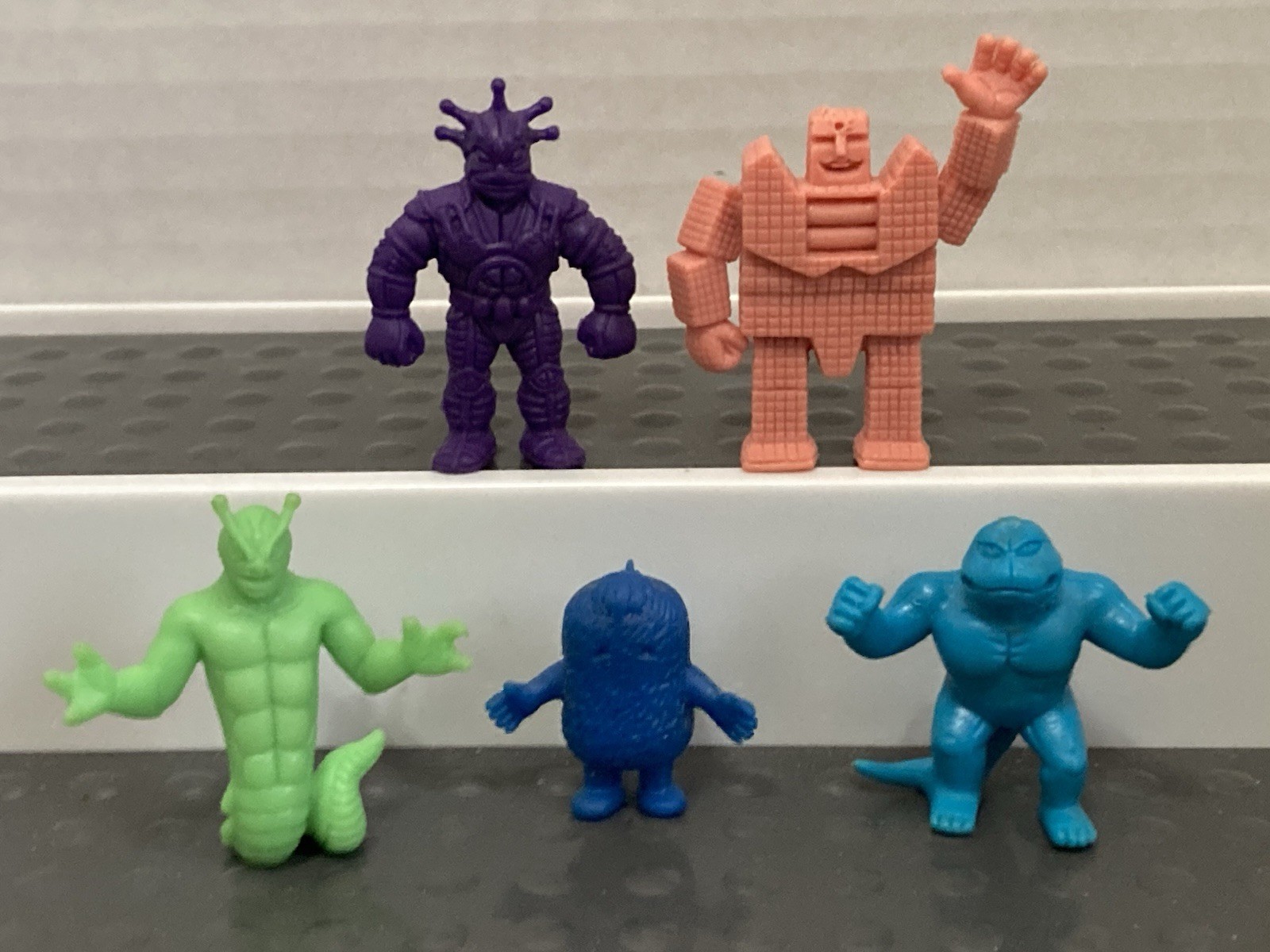


eBay links are affiliate links: JunkPal may earn a commission at no cost to you.
Resale values related to stress crack
Shop stress crack on eBay ↗![Freddy Funko As Optimus Prime [Blacklight] #SE (Freddy Funko)](https://storage.googleapis.com/images.pricecharting.com/hebs5on3xftczlso/240.jpg)
![Luffy With Thousand Sunny [CCXP22] #114 (Rides)](https://storage.googleapis.com/images.pricecharting.com/guw55tfqc4sv63om/240.jpg)


![Franken Berry [Metallic] #2 (Ad Icons)](https://storage.googleapis.com/images.pricecharting.com/qrurqqrucql2q6ks/240.jpg)
JunkPal may earn a commission when you buy through eBay links, at no extra cost to you.
What’s worth the most
Ranked on medians of real closed eBay sales, not asking prices.