What does “shelf queen” mean?
What it means
"Shelf queen" designates a collectible toy that is not merely stored but actively displayed. This status implies the item has been maintained under optimal conditions by an enthusiast. It is a visual marker of high care and aesthetic value, differentiating it from loose, stored, or "garage-worn" examples. The mainstream equivalent is "display grade" or "museum quality." The term specifically denotes a piece whose presentation enhances its collectible worth.
What it does to price
Display status provides a tangible value uplift. A pristine, shelf-queen condition copy of a mid-tier collectible typically commands a 1.5x to 3x premium over a comparable loose item, assuming both are complete. Factors pushing the price up include original packaging integrity (if displayed with it) and flawless paint/plastic condition. Factors pulling the price down include visible dust accumulation or minor shelf wear, even if the item is otherwise perfect. For example, a rare action figure in perfect display condition might sell for $150, whereas the same figure in storage condition might fetch $100.
How to spot it
Spotting a shelf queen requires scrutinizing the item’s presentation and condition. Look for evidence of intentional placement—clean, dust-free surfaces, and perfect alignment if part of a set. Sellers must provide high-resolution photos taken in bright, even lighting, not just quick snapshots. Ask specifically for photos showing the item from multiple angles, including close-ups of seams, joints, and any printed markings. Common mistakes include minor scuffs from being bumped on a shelf or slight yellowing of plastic due to UV exposure, which immediately negates the "queen" status.
Buying smart
Paying a premium for a shelf queen is justified when the item is a centerpiece or a highly sought-after, scarce piece. If the item is common or the premium exceeds 40% over loose market value, the risk is higher unless the display quality is objectively flawless. A fair deal involves the asking price reflecting the *guaranteed* condition and presentation, not just the item's rarity. If the seller cannot provide verifiable, high-quality display photos, the premium is unwarranted.
Selling smart
Proving the shelf queen status in a listing is the primary driver of increased buyer interest and price acceptance. The listing must feature at least one dedicated, well-lit photograph showcasing the item in its intended display context. A simple, declarative statement like "Display Grade – Mint Condition" or "Shelf Queen" acts as a keyword trigger for serious buyers. This single piece of evidence shifts the item from a commodity to a curated collectible, justifying the higher asking price.
On eBay right now
Current asking prices from live listings — not sold-comp medians.


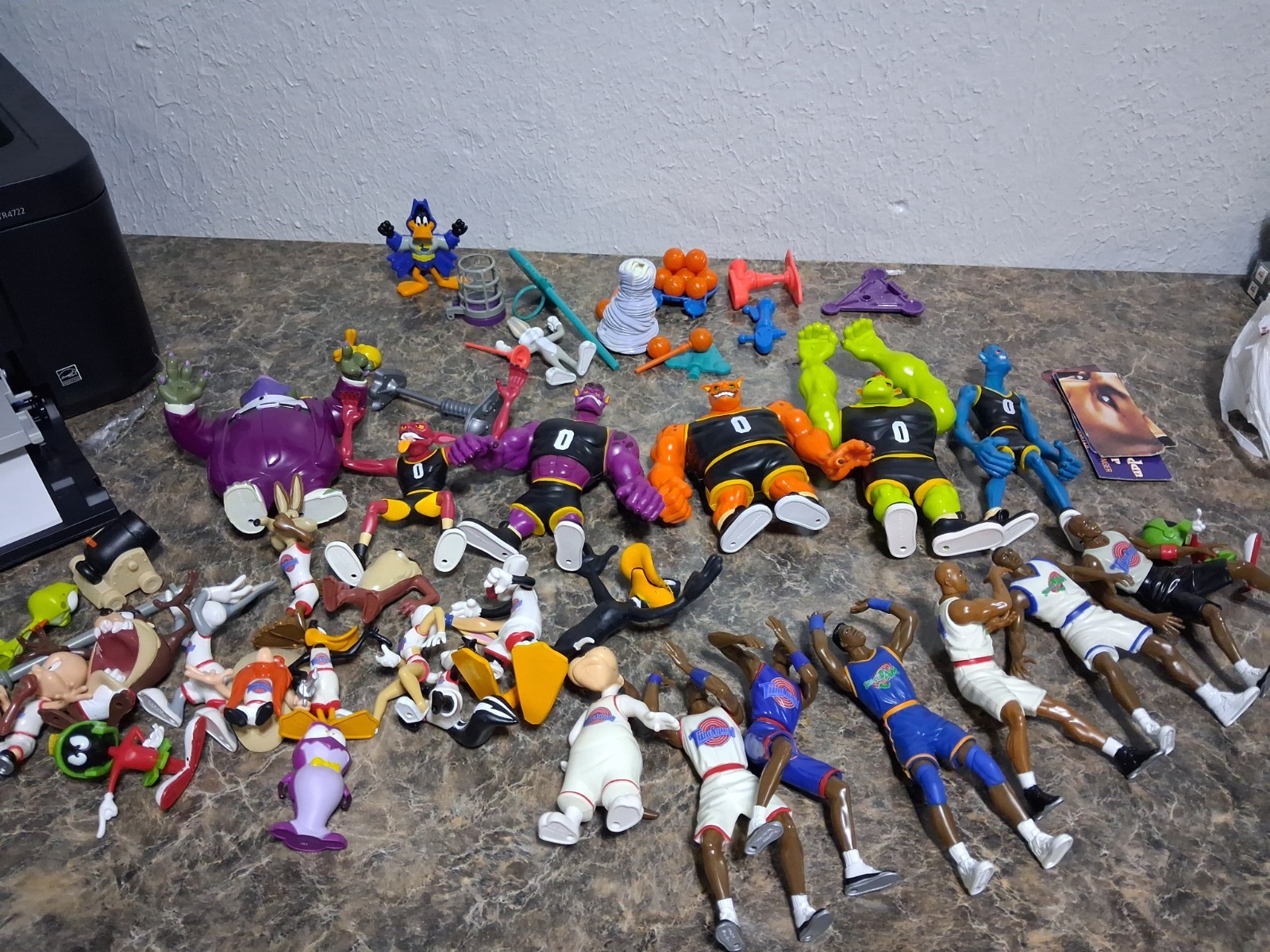
eBay links are affiliate links: JunkPal may earn a commission at no cost to you.
Resale values related to shelf queen
Shop shelf queen on eBay ↗![Spider-Man [Metallic] #3 (Marvel)](https://storage.googleapis.com/images.pricecharting.com/osbjiilfl4xyblv3/240.jpg)
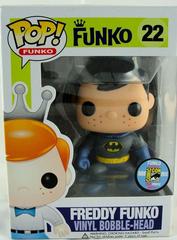
![The Flash [Metallic NYCC] #10 (Heroes)](https://storage.googleapis.com/images.pricecharting.com/lrz77zogmjoey5vy/240.jpg)


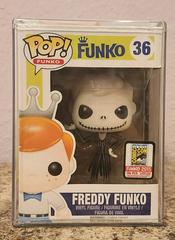
![Franny Funko As Azula [GITD] #SE (Freddy Funko)](https://storage.googleapis.com/images.pricecharting.com/sbtbm36tc3awdk6b/240.jpg)
JunkPal may earn a commission when you buy through eBay links, at no extra cost to you.
What’s worth the most
Ranked on medians of real closed eBay sales, not asking prices.