What does “second run” mean?
What it means
A second run is a distinct, subsequent manufacturing batch of a toy or collectible following the initial production wave. It is not a "reissue" (which implies a complete redesign or update) nor is it a "variant" (which implies a deliberate color or mold change). A second run uses the same core design and tooling as the first run but is produced later. For collectors, it represents a continuation of the original product line. The mainstream equivalent is simply a later production run. The primary difference is the production timeline, not the product design itself.
What it does to price
Pricing for a second run is highly variable, falling between 60% and 90% of the original first-run price, depending on demand and condition. If the first run was a massive, short-lived hype item, the second run may see a 30-50% price drop. Conversely, if the original run was limited by supply, the second run can retain 80-95% of the initial value, especially if it fills a gap in a collection set. For example, a highly desirable action figure from the first run might sell for $100 loose; the second run version might fetch $75 loose, but if it completes a specific character lineup, the value premium for completion can push it back toward $90.
How to spot it
Identification relies heavily on production markers. Look for subtle changes in mold wear, plastic coloration, or specific copyright dates on the packaging or the toy itself. Packaging often features different batch codes, stickers, or different print runs of promotional material. If the toy has a visible numbering system, the second run will have a higher sequential number. Sellers must provide high-resolution photos of the base, the box seams, and any visible stamping. Common errors include confusing a second run with a simple "factory variation" (a minor, unintentional color shift) or mistaking a later, unrelated "deluxe edition" for a second run.
Buying smart
Paying a premium for a second run is justifiable when the item is necessary to complete a known, desirable set, or when the second run itself is known to have been a limited allocation. Avoid paying near-first-run prices unless the item is in mint-in-box (MIB) condition and the market is experiencing extreme scarcity. A fair deal involves a price that reflects the reduced initial hype while accounting for the item's desirability to completists. If the price is more than 20% below the first-run value, it is likely a good acquisition for casual collectors.
Selling smart
Proving the item is a genuine second run significantly increases buyer confidence, which translates directly into higher offers. Listing details must explicitly state "Second Run Production Batch." The single most valuable piece of evidence is a clear, close-up photograph of the production code or date stamp, ideally showing both the toy and the packaging alongside it. This documentation shifts the item from "generic collectible" to "verified piece of production history," allowing the seller to command a price closer to the high end of the expected range.
On eBay right now
Current asking prices from live listings — not sold-comp medians.


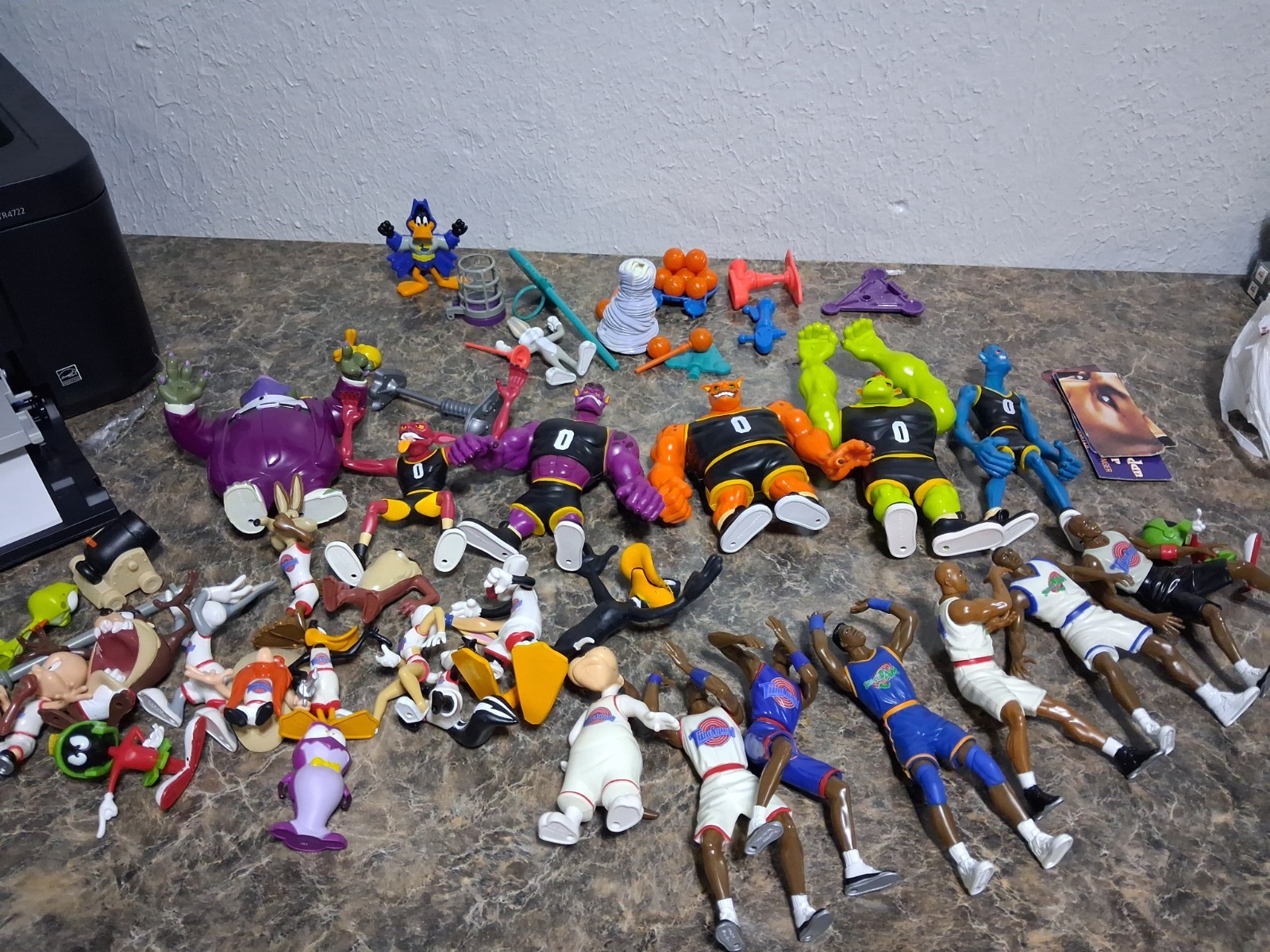
eBay links are affiliate links: JunkPal may earn a commission at no cost to you.
Resale values related to second run
Shop second run on eBay ↗![Skeletor [Disco] #19 (Television)](https://storage.googleapis.com/images.pricecharting.com/tiq4fqliu5kgv7df/240.jpg)
![LT. Simon Ghost Riley [EB Exclusive] #70 (Games)](https://storage.googleapis.com/images.pricecharting.com/za6msyrh44qv6nlr/240.jpg)


![Beast [Flocked] #21 (Marvel)](https://storage.googleapis.com/images.pricecharting.com/yvoycgcknzf2xrfu/240.jpg)
![Freddy Funko [Black And White] #SE (Freddy Funko)](https://storage.googleapis.com/images.pricecharting.com/wtgvc2ynuopcvuy6/240.jpg)
![Martian Manhunter [Metallic] #18 (Heroes)](https://storage.googleapis.com/images.pricecharting.com/obmgxln52wkhzrkb/240.jpg)
JunkPal may earn a commission when you buy through eBay links, at no extra cost to you.
What’s worth the most
Ranked on medians of real closed eBay sales, not asking prices.