What does “sealed vintage toy” mean?
What it means
A sealed vintage toy is an older toy preserved within its original, unopened packaging. "Vintage" denotes age, typically pre-1980s, though the definition can stretch depending on the toy line's lifecycle. "Sealed" means the original factory packaging remains intact, with all factory seals, tapes, or plastic wraps unbroken. This condition guarantees the item has never been exposed to play, handling, or environmental damage inside the packaging. For collectors, this is the highest grade achievable, representing the item's original, untouched presentation. The mainstream equivalent is "Mint in Box" (MIB) or "New in Sealed Box" (NISB).
What it does to price
Sealed condition acts as a major multiplier. A comparable loose or opened vintage toy typically sells for 1x base value. A sealed version often commands a 2x to 5x premium, depending on the toy's scarcity and brand desirability. Minor box wear (dents, edge scuffs) can reduce this multiplier by 15-30%. Conversely, if the seal is broken or the box is visibly compromised, the value drops immediately to that of an open item. For example, a rare 1970s action figure, loose, might sell for $150; the same figure sealed in its original cardback could easily fetch $400 to $750.
How to spot it
Verify the integrity of the sealing method. Look for factory-applied plastic wraps, shrink-wrap, or original tape that shows no signs of tampering, residue, or resealing. Check the packaging itself for print quality and correct edition markers; faded ink or misprints suggest a later reissue, not true vintage. Sellers must provide high-resolution photos of the seals from multiple angles. Common issues include "re-sealed" items (where the original seal was broken and replaced with new tape) or "shelf wear" (minor box damage that doesn't affect the seal).
Buying smart
Paying a premium for sealed items is justified only when the toy is genuinely rare, highly desirable to completists, or part of a known high-value line. If the toy is common or easily found loose, the premium is not worth the risk or investment. A fair deal requires the asking price to align with established market comparables for *sealed* examples. If the seller cannot provide clear, high-resolution photos confirming the seal's authenticity, the discount should be substantial, as verification is impossible.
Selling smart
The presentation of the seal is the primary driver of premium pricing. Listings must explicitly state "Sealed," "Mint in Box," or "Factory Sealed." The single most valuable photo is a close-up, well-lit shot focusing entirely on the factory seal or tape, proving it has not been opened. Use precise language to describe the box condition (e.g., "Near Mint box with light shelf wear, seal intact"). This documentation allows buyers to trust the premium price point.
On eBay right now
Current asking prices from live listings — not sold-comp medians.

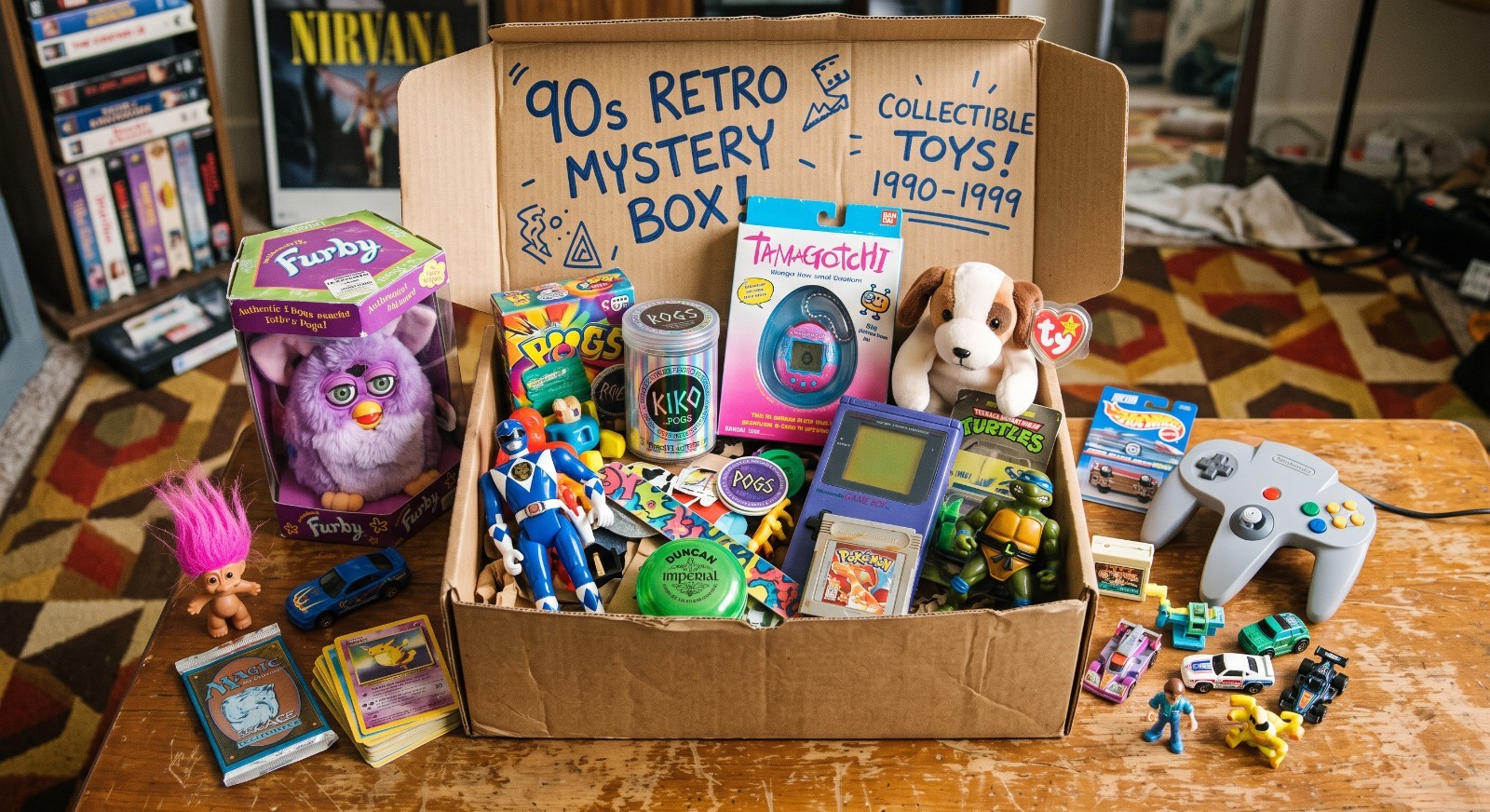

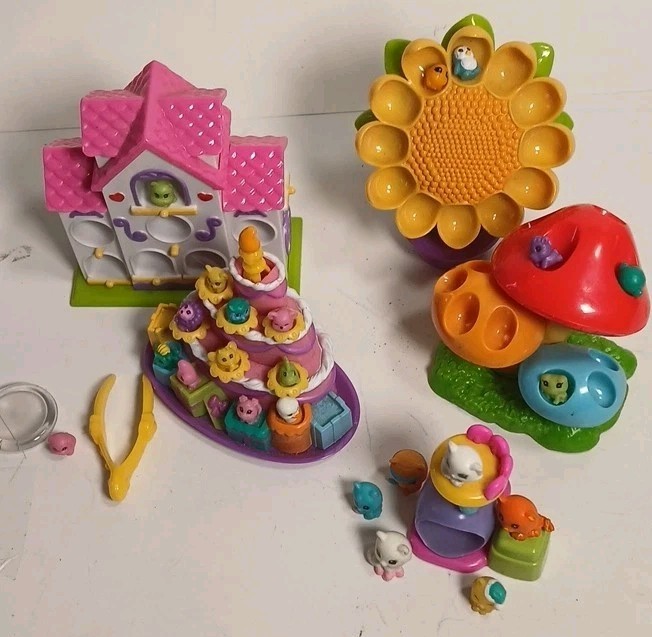

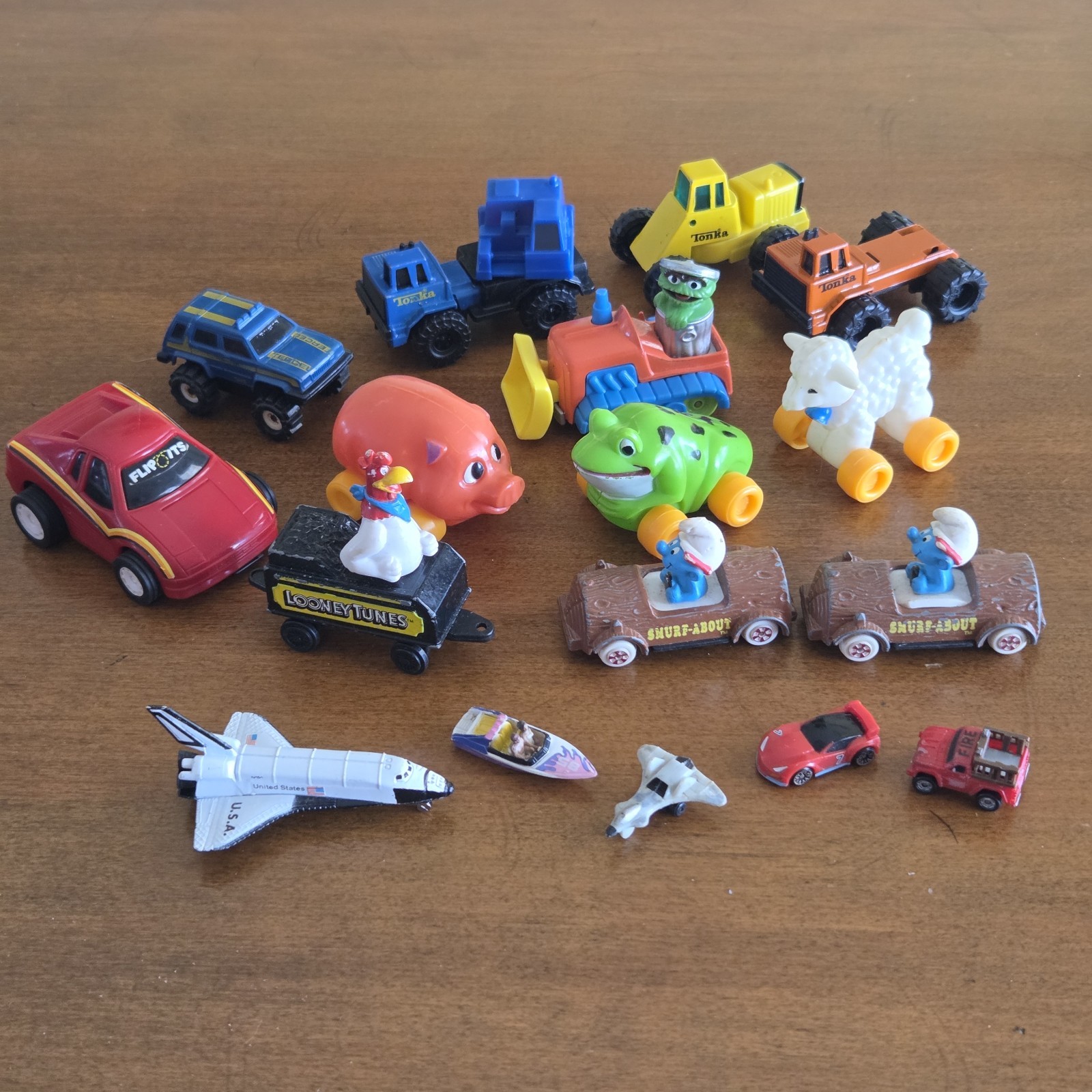
eBay links are affiliate links: JunkPal may earn a commission at no cost to you.
Resale values related to sealed vintage toy
Shop sealed vintage toy on eBay ↗


![Skeletor [Disco] #19 (Television)](https://storage.googleapis.com/images.pricecharting.com/tiq4fqliu5kgv7df/240.jpg)
![Wonder Woman [NYCC] #8 (Heroes)](https://storage.googleapis.com/images.pricecharting.com/5vzgwe6z37afis7m/240.jpg)

![Boo Berry [SDCC] #3 (Ad Icons)](https://storage.googleapis.com/images.pricecharting.com/lupnikjhlcyagzyx/240.jpg)
JunkPal may earn a commission when you buy through eBay links, at no extra cost to you.
What’s worth the most
Ranked on medians of real closed eBay sales, not asking prices.